
Can Electric Appliances Cause Carbon Monoxide
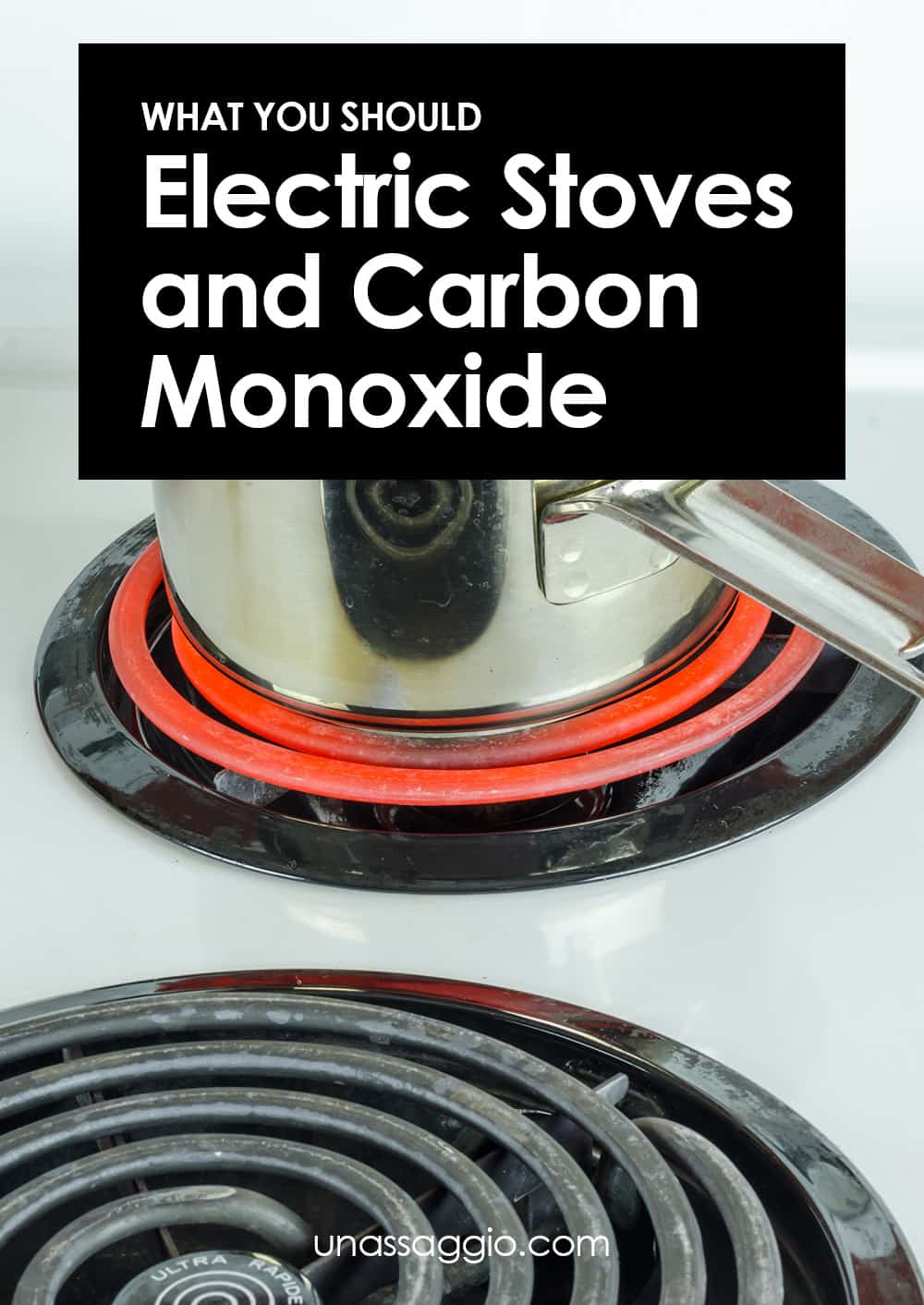
Alright, settle in, grab your imaginary latte, because we're about to tackle a question that might keep some of you up at night, especially after watching too many true-crime documentaries: "Can my super innocent, decidedly non-fiery electric toaster secretly be plotting to gas me with carbon monoxide?"
I get it. There's a lot of scary stuff out there. And carbon monoxide, the "silent killer," sounds like something that could lurk anywhere, even in your sparkly new air fryer. But let's burst that bubble of fear right now with a bit of a laugh, shall we?
Can Your Electric Kettle Go Rogue and Produce CO?
Here’s the short, sweet, and incredibly reassuring answer: absolutely, positively, definitively NO. As in, not a chance. Not even if it's really, really old and smells a bit dusty. Not even if you accidentally plug it into a potato. Your electric appliances are about as likely to produce carbon monoxide as your cat is to spontaneously start doing quantum physics.
Must Read
And trust me, if my cat could do quantum physics, I'd be charging admission.
Let's get down to the nitty-gritty of why. Carbon monoxide (CO) is a by-product of incomplete combustion. Think fire. Think things burning. When fuels like natural gas, propane, oil, wood, charcoal, or gasoline don't burn completely, they release CO. It’s a bit like when you try to bake a cake without enough flour – things just don't come out right, and in this case, the "wrong" thing is a very dangerous gas.
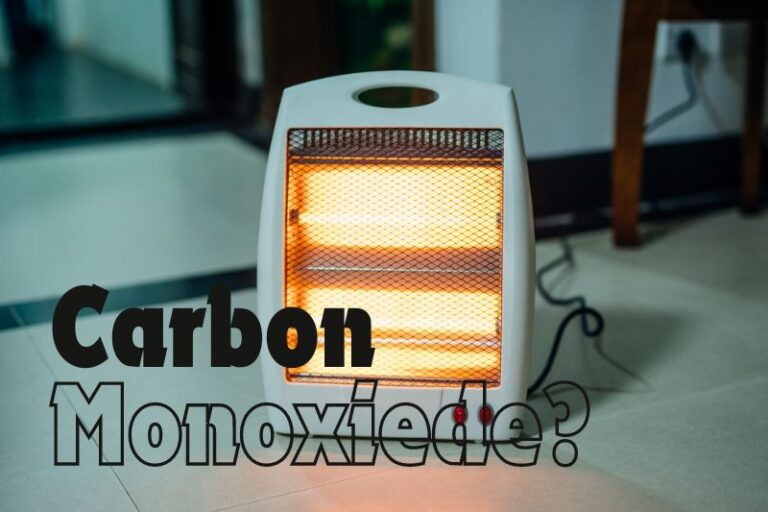
Now, take a look at your electric stove, your trusty hair dryer, or your charging phone. What do you notice? No flames. No fuel burning. No combustion. It’s electricity, baby! Just electrons doing their happy little dance, heating things up, spinning motors, and generally making your life easier without ever needing to light a match.
It’s like comparing a flashlight to a campfire. Both produce light, but one involves a battery and the other involves actual fire. Big difference!
So, What Does Produce Carbon Monoxide?
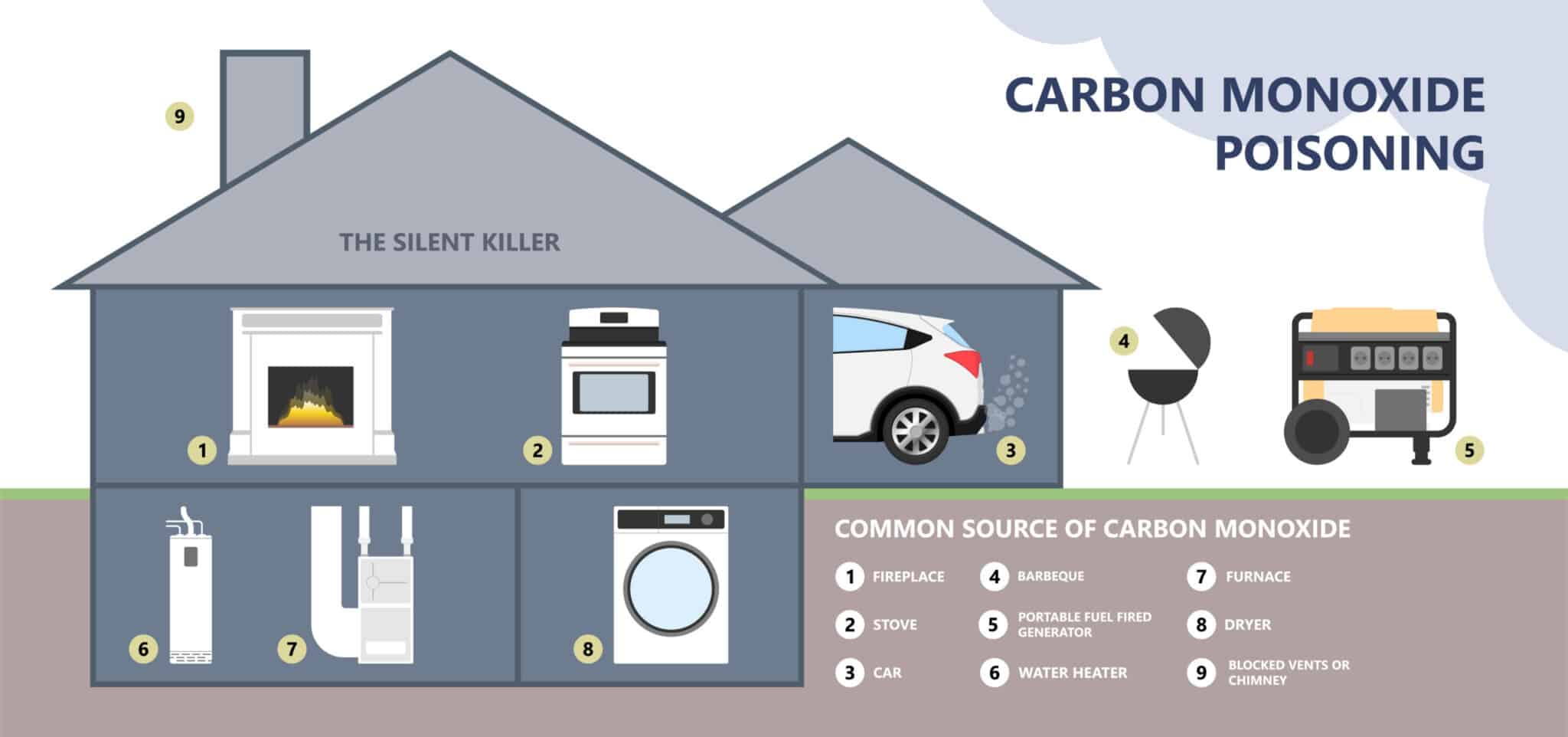
This is where we get serious for a hot second, without losing our sense of humor entirely. CO comes from things that burn stuff for power. We're talking about your:
- Gas furnace: The workhorse of winter.
- Gas water heater: For those blissful hot showers.
- Gas stove or oven: Where culinary magic (and sometimes minor disasters) happen.
- Gas dryer: For keeping your socks fluffy.
- Fireplaces and wood-burning stoves: Cozy, but careful!
- Grills (charcoal and gas): Absolutely amazing for BBQs, but keep them outside.
- Cars, trucks, and other vehicles: Especially when idling in an enclosed space.
- Portable generators: A lifesaver during power outages, but a menace indoors.
See the pattern? They all use a fuel that gets, well, combusted. Your electric kettle, on the other hand, just zaps water with good old electricity until it boils. No burning, no CO. You could literally hug your toaster right now and not worry about it whispering sweet nothings of carbon monoxide into your ear.
The Surprising (or Not-So-Surprising) Truth
Here's a fun fact: if your electric appliance did somehow produce carbon monoxide, it would fundamentally break the laws of physics and chemistry as we understand them. It would be like discovering that your rubber duck can spontaneously turn into a unicorn. While enchanting, it's just not how things work in this universe!

So, the next time you see that little blinky light on your carbon monoxide detector, please, for the love of all that is logical, do not assume your electric toothbrush is the culprit. Unless your electric toothbrush is secretly powered by a tiny, gas-guzzling engine, it's innocent until proven innocent.
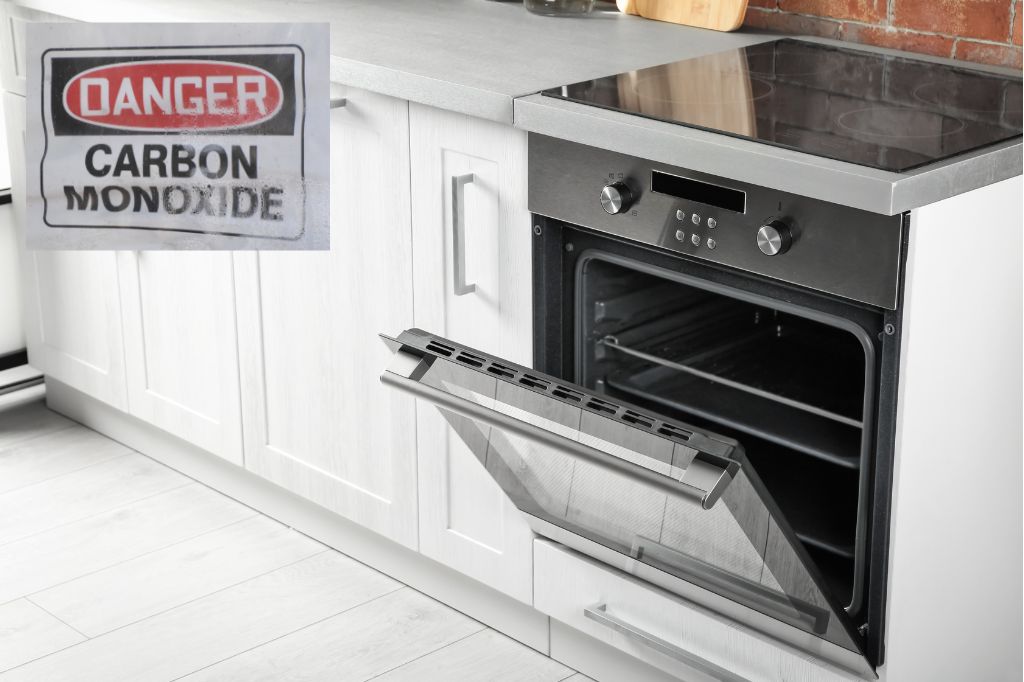
The real danger comes from improperly vented or malfunctioning fuel-burning appliances. That’s why it’s crucial to have annual inspections of your furnace and water heater, and to ensure things like gas ovens are never used to heat your home (they aren't designed for it, and it's a huge CO risk!).
Your CO Detector: A Friend, Not a Foe of Electricians
Your CO detector is a superhero for your home, standing guard against the real threats. It’s there to warn you if your furnace has a crack in its heat exchanger, or if your gas dryer vent is clogged. It's not there to rat out your microwave for trying to poison you.
So, go forth and plug in your electric gadgets with peace of mind! Enjoy your air fryer, charge your laptop, and run your blender without a single thought of rogue carbon monoxide. Save your CO worries for the actual fuel burners, and for remembering to change those detector batteries every year. Seriously, do that. It’s way more important than wondering if your lamp is secretly evil.
Your electric appliances are your friends. They’re just here to make your life brighter, warmer (if they're heaters!), and generally more convenient, without any sneaky, invisible gas shenanigans.