
Fire Alarm Still Beeping After Battery Change

You know that heart-stopping, soul-crushing sound? The one that could wake the dead, trigger PTSD in a combat veteran, and turn even the most zen yogi into a rage monster? Yes, I’m talking about the fire alarm chirp. That insistent, high-pitched BEEP! that pierces the quiet of your home, usually at 3 AM on a Tuesday, for no discernible reason other than to remind you that chaos reigns supreme.
So, like the responsible, sleep-deprived adult you are, you embark on the hero’s journey. You scale a chair, fumble with the plastic, and finally, triumphantly swap out the old, undoubtedly dead battery for a shiny, brand-new one. You snap the cover back on, descend from your perch, and take a deep, satisfying breath. Peace. Finally.
Then, it happens. Maybe 30 seconds later. Maybe a minute. Maybe just as you’re drifting back into blissful slumber. BEEP!
Must Read
Your blood runs cold. Your jaw drops. Your carefully constructed sanity shatters like a dropped plate. “I changed the battery!” you scream at the ceiling, as if the little white disc of doom is actively mocking your efforts. What fresh hell is this?
The Post-Battery Beep: A Betrayal of Trust
It’s a tale as old as time, or at least as old as home safety devices. You did the right thing. You bought the expensive battery. You sacrificed precious sleep. And yet, the infernal machine continues its sonic assault. It feels personal, doesn’t it? Like it knows you’re vulnerable. Like it’s saying, "Nice try, human. But I have layers."
Before you succumb to the urge to smash it with a broom or move out entirely, take a deep breath. This infuriating phenomenon is surprisingly common. And usually, the fix is much simpler than calling an exorcist or burning sage.

Mistake #1: Forgetting the Alarm Has a Brain (Sort Of)
Think of your fire alarm as a tiny, very sensitive computer. When you yank out the old battery and pop in a new one, it doesn't always immediately register the change. Sometimes, it needs a little nudge, a gentle reset, to understand that it’s got a fresh power source and can finally chill out.
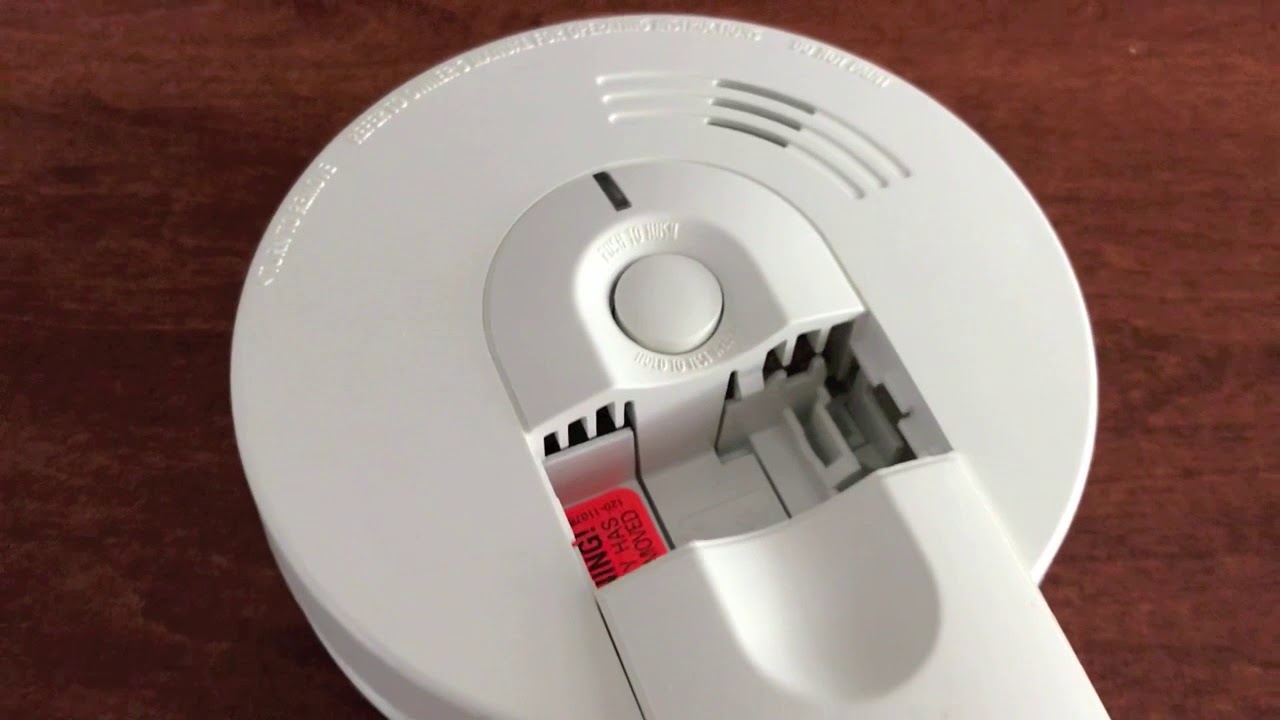
The solution? The mighty reset button. Or, more accurately, the test button. After changing the battery, hold down the test button for about 15-20 seconds. If it’s hardwired, you might need to temporarily disconnect it from its mounting bracket and remove the battery, then hold the test button for a similar duration to drain any residual charge before reassembling.
This process is like telling your alarm, "Hey buddy, new battery! Wake up and smell the, uh, lack of smoke!" It clears any lingering error codes or residual power that might be causing it to think the old, dying battery is still in charge.
The Ghost in the Machine: Old Power, New Problems
This is where things get a little technical, but still in a "you can totally do this" kind of way. Some smoke detectors, especially hardwired ones that also use a battery backup, have capacitors. These are tiny components that can store a small electrical charge. Even after you remove the old battery, these capacitors might hold enough juice to keep the alarm chirping a "low battery" warning, because they haven't been fully drained.
It’s like your phone still showing 1% even after you unplug it – there’s just a tiny bit of ghost power left. For hardwired units, the trick is to kill the power at the circuit breaker for about a minute. Then, turn it back on. This completely resets the unit and allows those capacitors to fully discharge. For battery-only units, simply holding down the test button for longer (as mentioned above) usually does the trick.
Did You Check the Expiration Date... of the New Battery?
Yes, even brand-new batteries can be duds. Or, in a moment of sleepy desperation, you might have grabbed a battery from the back of the drawer that was destined for a different, less critical device. Check the expiration date on the packaging. And if you have a multi-pack, try another one from the same pack. It's rare, but a faulty new battery can make you question everything you thought you knew about physics.

Also, make sure you’re using the correct type of battery. Most residential smoke alarms use 9-volt batteries, but some modern ones might take AA or AAA. A mismatch will definitely keep that chirp going, sending you further down the rabbit hole of despair.
The Uninvited Guest: Dust, Dirt, and Spiders (Oh My!)
This might be the most surprising culprit. Smoke detectors work by sensing tiny particles in the air. If the sensor chamber inside the alarm gets clogged with dust, dirt, or even a tiny, misguided spider spinning a disco web, it can trigger false alarms or, you guessed it, a constant chirping sound. The alarm thinks something is wrong, but it’s just a miniature dust bunny rave.
Carefully remove the alarm from its base (if hardwired, turn off the power first!) and gently vacuum around the vents and sensor chamber with a soft brush attachment. You can also use a can of compressed air to blast out any debris. Don't use water or cleaning solutions! This isn't a car wash, it's sensitive electronics.

The Final Chirp: It's Just Done
Here’s a fact that catches many people off guard: smoke detectors have an expiration date. They aren't meant to last forever. Most manufacturers recommend replacing them every 7-10 years. After this time, the sensors can become less effective, and the internal components simply wear out.
Many alarms will emit a regular chirp to signal that they’ve reached their end-of-life, completely irrespective of the battery. There’s usually a manufacturing date printed on the back. If your alarm is older than 7-10 years, and it’s still chirping after all your troubleshooting efforts, it’s probably time to toss it and invest in a new one. Think of it as its final, persistent goodbye.
Peace at Last (Until Next Time)
So, the next time your freshly-batteried smoke alarm decides to audition for a horror movie soundtrack, remember these steps. Most likely, it just needs a good reset, a quick clean, or maybe it's just reaching the end of its lifespan. Whatever the reason, armed with this knowledge, you can confront that defiant little beeper with confidence, and finally, reclaim your precious, beautiful silence.
And then, you can go back to sleep. Until the dishwasher decides to make a weird noise, of course.