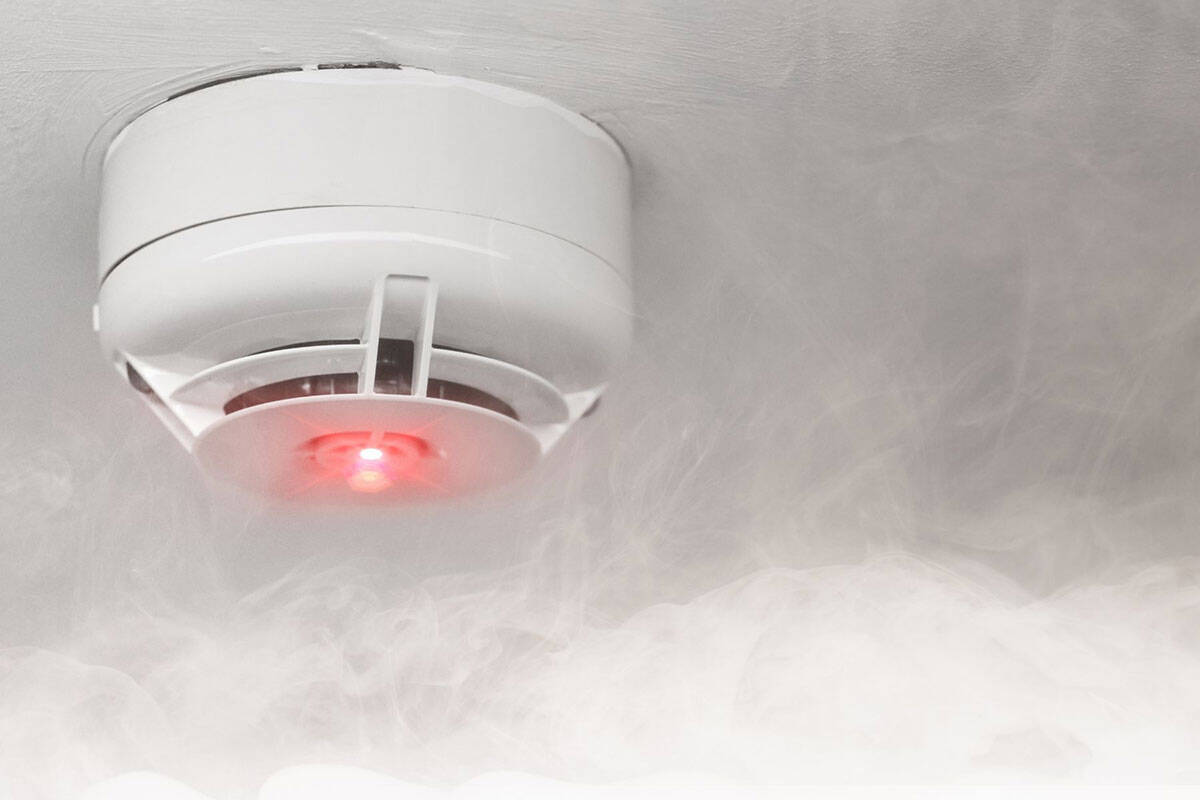
Can Steam From A Shower Set Off A Smoke Alarm

Ever stepped out of a blissfully hot, steamy shower, feeling refreshed and ready to tackle the day, only to be jolted back to reality by the piercing screech of your smoke alarm? You're not alone! This common household conundrum, often leading to a frantic towel-waving session and a chuckle once you realize it's just, well, steam, is surprisingly relatable. It's a fun topic because it taps into a universal experience – that tiny, sudden panic attack followed by a sigh of relief. Understanding why this happens isn't just useful; it can save you from future heart-stopping moments and help you enjoy your shower in peace.
So, why bother delving into the science of shower steam and smoke alarms? Well, for new homeowners or renters, it’s a fantastic way to demystify your new living space. Knowing the difference between actual danger and a false alarm can prevent unnecessary stress and awkward apologies to neighbors if your alarm is particularly loud. For families, it helps maintain household harmony. Imagine trying to get toddlers back to sleep after a surprise alarm! Understanding this interaction allows you to set up your home for maximum comfort and safety, avoiding those disruptive, ear-splitting interruptions. Even curious minds or DIY enthusiasts can benefit from learning about the different types of smoke detectors and how environmental factors like humidity play a role in their operation, empowering them to make smarter choices about home safety devices.
The culprit, more often than not, is the type of smoke alarm. There are primarily two kinds: ionization and photoelectric. Ionization alarms are generally more sensitive to fast-flaming fires and invisible combustion particles. However, they can sometimes be overly sensitive to tiny particles found in dense steam. On the other hand, photoelectric alarms are better at detecting slow, smoldering fires and larger particles, making them less prone to false alarms from steam or cooking fumes. Think of a small bathroom with a powerful, hot shower – that's a perfect storm for an ionization alarm to mistake the dense water vapor for something more sinister. Variations can also depend on your bathroom's ventilation (or lack thereof), the duration and heat of your shower, and even how close the alarm is placed to the bathroom door. A particularly long, hot shower in a poorly ventilated space can create enough concentrated steam to trigger even some photoelectric alarms if they're directly in the steam's path.
Must Read
Don't let the fear of a false alarm dampen your shower experience! Here are some simple, practical tips to keep your steam contained and your alarms quiet. First and foremost, always use your bathroom's exhaust fan during and for a few minutes after your shower. This simple action vastly improves ventilation, pulling steam out of the room. If you don't have a fan, or even if you do, crack open a window slightly to provide an escape route for the steam. Keeping the bathroom door closed while you shower also helps confine the steam, preventing it from wafting into the hallway where a smoke alarm might be. Consider the placement of your smoke alarms; they should ideally be at least 10 feet away from bathrooms and kitchens to avoid nuisance alarms. If you frequently experience false alarms from steam or cooking, you might consider replacing an ionization alarm near these areas with a photoelectric model. And finally, never disable your smoke alarm; it's a vital safety device. A quick wipe-down to clear any dust from the alarm's vents can also occasionally help.
In the end, understanding why your shower steam might trigger a smoke alarm brings a surprising amount of peace of mind. It transforms a moment of panic into a moment of knowing, allowing you to enjoy your steamy sanctuary without the dread of an unexpected siren. By making a few small adjustments, you can ensure your smoke alarms remain vigilant against real threats, while your relaxing showers stay exactly that – relaxing. So go ahead, enjoy that hot shower; now you know how to keep the peace and quiet.