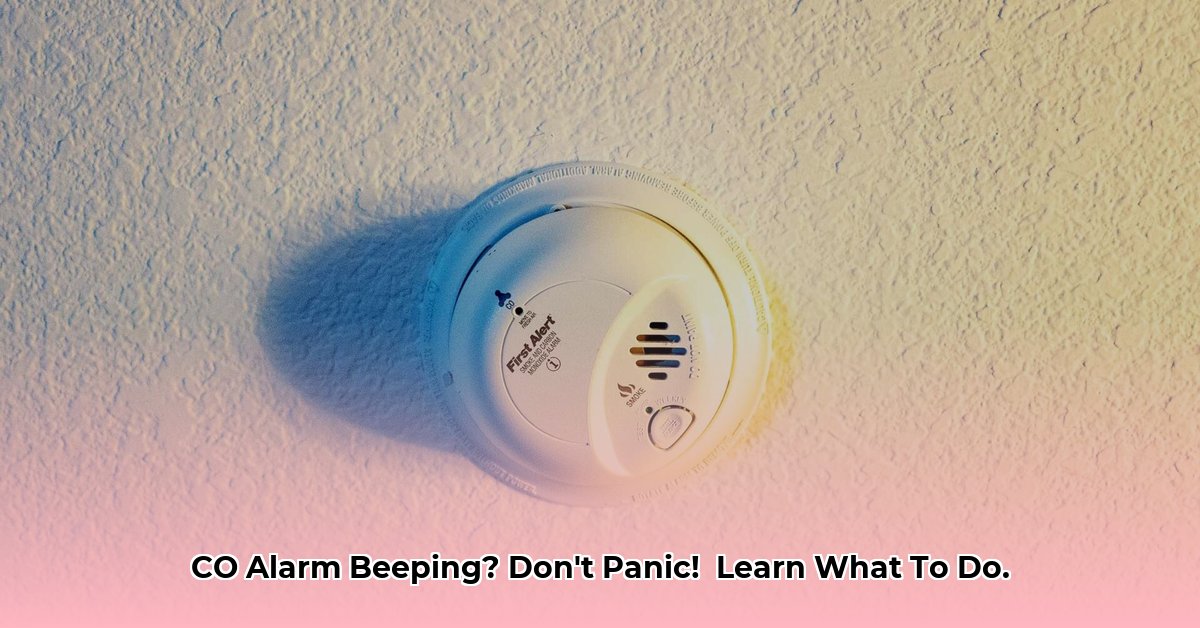
What To Do If Carbon Monoxide Detector Going Off

You’re minding your own business, perhaps binging that new show, maybe just lost in thought about whether you remembered to defrost dinner. Suddenly, a sound. Not the gentle hum of the fridge, not the dog’s dream-barks, but a piercing, insistent, "WHAT IS THAT?!" shriek. It’s the carbon monoxide detector, and honestly, it’s a sound that can make your heart do a little jig right into your throat.
Most of us have experienced that split-second panic, the one where you mentally scroll through every possible catastrophe. Is it a smoke alarm? Did I leave the oven on? Is this just a dramatic battery warning, like your phone throwing a tantrum at 10%? Nope. If it’s that specific, high-pitched wail, it’s likely your carbon monoxide detector, and it’s basically yelling, “Hey! Pay attention! Something’s up!”
First things first: Don’t Panic (But Do Act!)
It’s easier said than done, right? Your brain probably just went into "fight or flight" mode, and you’re contemplating whether to grab your emergency snack stash or your passport. Take a breath. This isn’t the time for a dramatic movie montage. It's the time for calm, swift action. Think of it like a really important, yet really annoying, pop quiz.
Must Read
The biggest, most crucial thing to remember about carbon monoxide (CO) is that it’s the ultimate silent assassin. It’s odorless, colorless, and tasteless. You can’t smell it like burning toast, you can’t see it like smoke, and you definitely can’t taste it. That’s why those little detectors are such superheroes. They’re basically your home’s highly sensitive, very vocal nose and eyes for CO.
Step 1: Get Yourself (and Everyone Else) Out, Immediately!
This isn’t a drill, folks. The moment that alarm goes off, your primary goal is to evacuate everyone from the building. Yes, everyone. That means your kids, your partner, your grumpy cat, even your particularly stubborn houseplant if it can make a run for it. Think of it like a fire drill, but instead of smoke, you’re escaping an invisible danger.
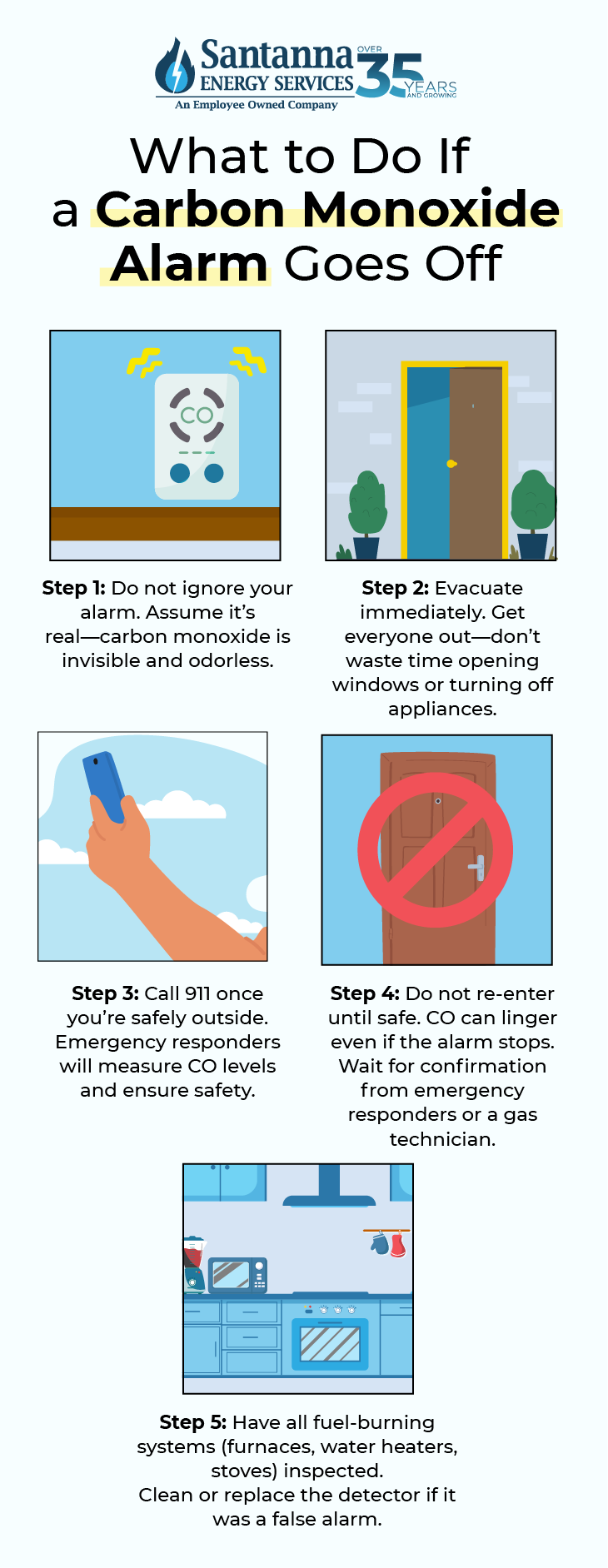
Don't stop to grab your prized collection of garden gnomes, or to finish that last level on your video game. Leave your phone, wallet, and keys if they're not immediately accessible. The only thing you really need to take with you is yourself and your loved ones. Get outside to fresh air – a good distance away from the house, like across the street or at a neighbor's house. You want to be somewhere you can breathe deeply without worrying.
Step 2: Call the Cavalry (aka Emergency Services)
Once you're safely outside and taking in some sweet, sweet oxygen, your next move is to call 911 (or your local emergency number). Don't call your Aunt Mildred, don't call your landlord first, and definitely don't try to Google "what to do CO alarm." The fire department and paramedics are trained for this exact scenario. They have the equipment to safely detect and address CO levels.

When you call, clearly state that your carbon monoxide detector is going off. They'll ask you some questions, so try to be as calm as possible while answering. They're not just there for actual fires; they're the pros when it comes to invisible threats too.
Step 3: Don’t Be a Hero – Stay Out!
This might be the hardest step for some of us, especially if we’re a little on the nosey side. You might be tempted to pop back in to "just check," or "grab that one thing." Don't do it! Seriously. Resisting the urge to re-enter your home is incredibly important. You wouldn't run back into a burning building, would you? Treat this the same way.
Wait for the emergency services to arrive, assess the situation, and give you the all-clear. They'll use their fancy equipment to determine if there's a dangerous level of CO and what the source might be. It could be a faulty furnace, a blocked chimney, a gas appliance issue, or even something less obvious. Let them be the detectives; you just be the patient and safe one.
A Little Prevention Goes a Long Way
While we hope you never have to deal with a real CO scare, it's always good to be prepared. Just like you check your smoke detector batteries, make sure your CO detectors are in good working order and placed correctly. They don’t last forever, so check their expiration dates too! And get those fuel-burning appliances (furnace, water heater, gas stove) serviced annually by a qualified technician. It’s like a yearly health check-up for your home’s vital organs.
So, the next time that little device decides to scream its head off, you’ll know exactly what to do. No more deer-in-headlights moments, no more mental gymnastics trying to figure out what that infernal noise is. Just swift, safe action. You’ve got this!