Do Security Cameras Prevent Crime Statistics

Caught on Camera: Do Those Little Eyes Really Stop Bad Guys?
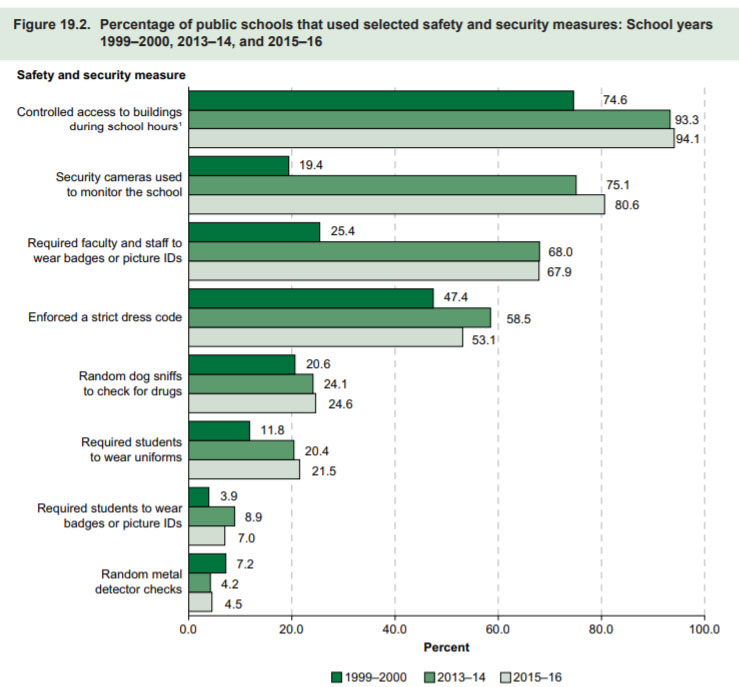
Alright, friend, let's chat. You know that feeling, right? You're walking into a store, maybe passing a parked car, and there it is: that little blinking red light, that unassuming dome on the wall. A security camera. Immediately, a tiny voice in your head goes, "Okay, cool, I'm being watched. Nobody's gonna try anything here." It’s like a silent, ever-present bodyguard. But here’s the million-dollar question that keeps popping up: do these digital peepers actually prevent crime, or are they just really good at showing us what happened after the fact?
It’s a topic that's way more fun and twisty than you might think, full of "well, actually" moments. Because while our gut instinct screams "YES! They totally scare off crooks!", the actual crime statistics often whisper something a little more complicated. It's like asking if a "Beware of Dog" sign really scares away burglars, or if they just bring dog treats.
The Big Brother Boom: Everywhere You Look!
First off, let’s acknowledge the sheer ubiquity. Cameras are everywhere. We're talking about cities like London, where estimates suggest there are hundreds of thousands, if not millions, of CCTV cameras. Some even joke you can't cross the street without being in at least five different frames. It’s like a permanent, global reality TV show, just without the dramatic music. You'd think with all those eyes, crime would be virtually non-existent, right? Yet, sadly, the world isn’t quite a utopia.
Must Read
So, what’s the deal? Are criminals just really brave? Or do they just factor "camera" into their dastardly plans? Turns out, it's a bit of both, and then some. It often depends on what kind of crime we're talking about, and where the camera is placed.
Where Cameras Shine (Sometimes Literally)
Here’s where things get interesting. Studies, bless their number-crunching hearts, often suggest that cameras can be effective, especially in specific scenarios. Think about car parks. Installing cameras in parking garages often leads to a noticeable dip in vehicle theft and break-ins. Makes sense, right? It's harder to smash a window or hotwire a car when you know you're potentially on Candid Camera.

And public transport? Big win! Buses and trains with cameras often see a reduction in vandalism and assaults. People are generally less likely to cause a ruckus when they know there's a good chance their face will end up on a wanted poster, or at least a very embarrassing viral video. These are typically places with clear sightlines and often, relatively simple, opportunistic crimes. The cameras act as a strong psychological deterrent.
But Wait, There's a Catch (or Two, or Three)
Now, let's talk about the areas where the stats get a bit fuzzier. For street crime in general, like muggings or petty theft in open public spaces, the evidence is a little less conclusive. Why? Well, criminals aren't always rocket scientists, but they aren't totally oblivious either. They adapt! They might just move down the street, around the corner, or wait for an unmonitored alleyway. This is what the fancy folks call "crime displacement," and it's a real head-scratcher.
Also, think about burglaries in residential areas. A tiny doorbell camera might catch someone on your porch, but a determined burglar often goes for the back window, away from the obvious lens. And let's be honest, how many of us have seen those viral videos of incredibly incompetent criminals who couldn't care less about the camera and proceed to trip, fall, or accidentally flash their ID? It's funny, but it also highlights that cameras aren't always the ultimate force field.

The "Evidence" Factor: After the Fact Fun
Perhaps the biggest, undeniable win for security cameras isn't always prevention, but investigation. They're incredible for gathering evidence! Imagine trying to solve a crime without any visual clues. It's a detective's nightmare. With cameras, you get faces, license plates, escape routes, even peculiar gaits or fashion choices that help narrow down suspects. It’s like a digital breadcrumb trail leading right to the culprit.
Remember that time a guy tried to rob a store wearing a clear plastic bag over his head, and it totally fogged up? Or the one who dropped his wallet with his full ID in it? These aren't preventing crime, but boy, do they make for compelling evidence (and hilarious news stories!). Cameras often don't stop the act, but they sure help clean up the mess and bring justice.

Who's Even Watching All This?
Here's another quirky reality check: the sheer volume of footage is mind-boggling. Most cameras aren't actively monitored 24/7 by a team of eagle-eyed security guards. They're recording. Constantly. So, unless someone is specifically looking for something, or an alarm triggers, that footage often just sits there, waiting to be reviewed after an incident. It’s like having a library full of books, but no one's reading them all at once. The deterrent effect often comes from the belief that someone could be watching, or will watch, rather than actual real-time intervention.
The Bottom Line: It's Complicated and Kinda Fun
So, do security cameras prevent crime statistics from climbing higher? The answer is a resounding, satisfying, and slightly frustrating: it depends! They're not a magic bullet, but they're far from useless. They're fantastic for specific types of crime, brilliant for evidence gathering, and they definitely make some people think twice. But criminals are resourceful, and society is complex.
Next time you spot that little lens, give it a wink. It might not be stopping every shady character, but it's certainly part of a fascinating, evolving dance between security, privacy, human behavior, and those endlessly entertaining crime statistics. It's a reminder that even in serious topics, there's always room for a good chuckle and a healthy dose of curiosity!