Why Is My Battery Blinking Red And Not Charging
Ah, the modern marvel of a fully charged device! From the moment our alarm gently nudges us awake, powered by an unseen cell, to the late-night scrolling that winds us down, batteries are the unsung heroes of our digital lives. We plug in, we power up, and we rarely give a second thought to the tiny chemical powerhouses that fuel our communication, creativity, and connection. Think about it: your smartphone, a window to the world; your laptop, a portable office; your earbuds, a private concert hall. All thanks to that little energy brick. These devices aren't just conveniences; they're extensions of ourselves, keeping us informed, entertained, and productive, whether we're navigating a new city, capturing precious memories, or simply staying in touch with loved ones across continents.
The beauty of modern electronics lies in their portability, and that portability is entirely dependent on reliable, rechargeable batteries. They allow us to work remotely from a scenic café, keep the kids quiet on a long road trip, or track our fitness goals on a morning run. Without them, our world would revert to a tethered, less spontaneous existence. Common applications are everywhere: from the obvious smartphones and tablets to the increasingly prevalent electric vehicles, smart home devices, and even medical implants. These aren't just gadgets; they're integral parts of our daily routines, making life easier, richer, and more connected.
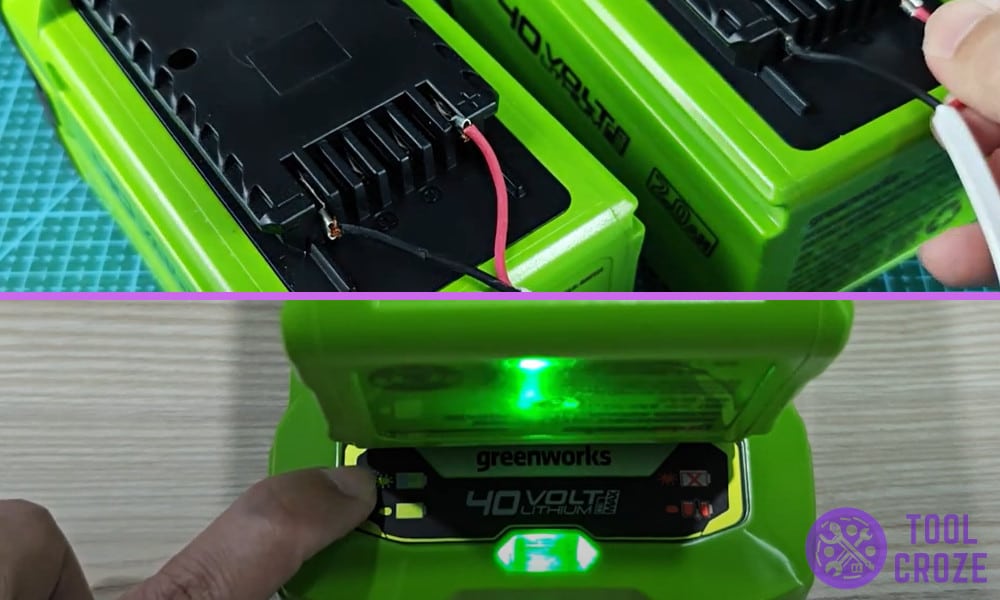
But then comes the dreaded moment. You plug in your beloved gadget, expecting that satisfying green light or charging icon, only to be met with a silent, unresponsive screen, or worse, a menacing, blinking red light. That little crimson flicker isn't just a low battery warning; it's often a cry for help, signaling that something is amiss and your device isn't taking a charge. The immediate panic sets in: Is it dead? Is it broken? Have I lost all my data?
Must Read
Don't despair just yet! That blinking red light often indicates that the device's internal battery management system is trying to tell you something. Often, it's a simple fix. Here are a few common culprits and practical tips to troubleshoot:
- Faulty Charger or Cable: This is the most common suspect. Try a different cable and a different wall adapter. Often, an old, frayed cable or a weak adapter is the culprit. Invest in good quality, MFi-certified (for Apple) or original manufacturer chargers.
- Dirty Charging Port: Dust, lint, and debris can accumulate in your charging port, preventing a proper connection. Power down your device and gently clean the port with a toothpick or a soft-bristled, anti-static brush (like a new toothbrush). Be extremely careful not to damage the pins.
- Extreme Temperatures: Batteries hate extremes. If your device is too hot or too cold, its internal safety mechanisms might prevent charging. Move it to a moderate room temperature and let it stabilize for 30 minutes before trying again.
- Deep Discharge: Sometimes, if a battery dies completely and stays that way for too long, it can enter a "sleep" state. Plug it in for an extended period (even a few hours) to see if it eventually wakes up.
- Software Glitch: A simple software bug can sometimes prevent charging. Try a hard reset (the method varies by device, so Google yours) and then try charging again.
- Battery Degradation: Unfortunately, batteries don't last forever. After a few years, they naturally degrade. If your device is old, a professional battery replacement might be in order.
To enjoy your devices more effectively and avoid that dreadful blinking red, always use reliable charging accessories, keep your ports clean, and try to avoid letting your battery consistently drain to zero. Treat your battery like the hero it is, and it will serve you well, keeping you powered up and connected to the world.