
Do Smoke Detectors Also Detect Carbon Monoxide
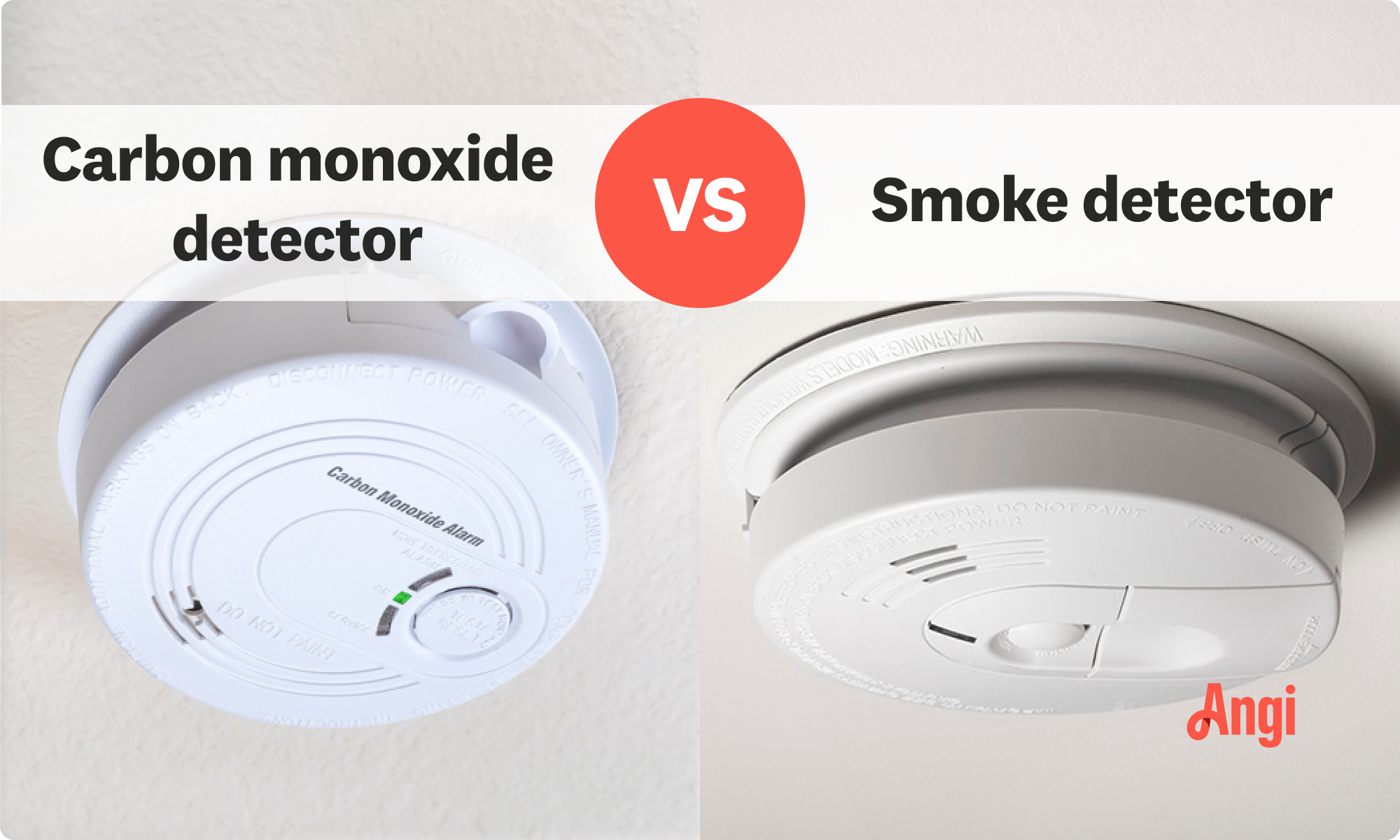
Ever look up at that little disc on your ceiling or wall? It’s usually white, round, and pretty unassuming.
Most of us know it as a smoke detector, a silent guardian for our homes.
But here’s a common question that often pops into people’s minds: “Does this trusty device also detect carbon monoxide?”
Must Read
The Great Detector Mystery Unveiled
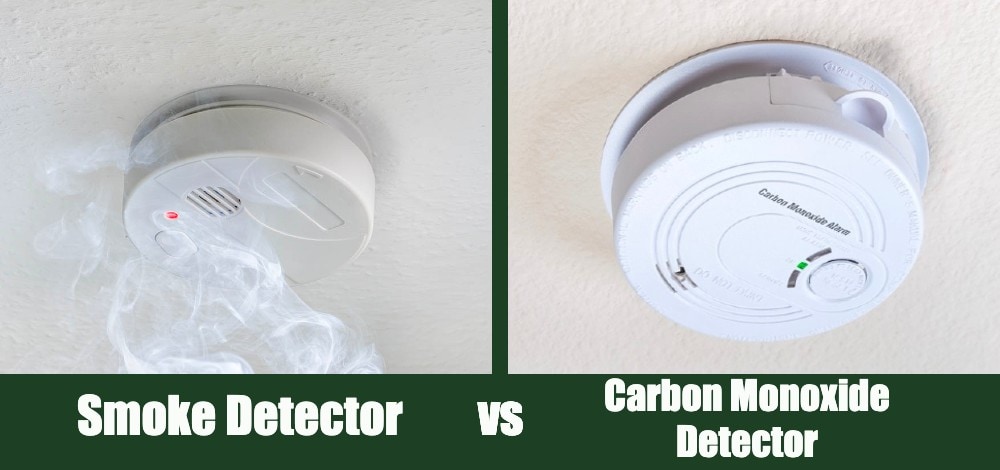
Let's clear the air right away with a simple answer. Generally speaking, no, your standard smoke detector does not also detect carbon monoxide.
They are like two different superheroes, each with their own unique powers and villains to fight.
While they both protect your home, they tackle very different dangers.
What Your Smoke Detector Actually Does
Think of your smoke detector as having one very specific job. Its mission is to sniff out smoke particles in the air.
When a fire starts, it releases these tiny particles, and that's what triggers the alarm.
It’s your early warning system for flames and heat, giving you precious moments to get to safety.
It’s designed to be loud and attention-grabbing, so you can never ignore its urgent call.
Whether it’s a smoldering electrical fire or a kitchen mishap, your smoke detector is on the case, looking for that tell-tale sign of trouble.
It’s truly a vital piece of safety equipment, saving countless lives by sounding the alarm when seconds count.
Introducing Carbon Monoxide: The Silent Threat
Now, let's talk about carbon monoxide, often called the "silent killer." This gas is incredibly dangerous because you cannot see it, smell it, or taste it.
It can come from things like faulty furnaces, gas stoves, fireplaces, or even a car running in an attached garage.
Unlike smoke, which is visible and has a distinct odor, carbon monoxide gives no clues that it’s present.
It silently replaces oxygen in your blood, making you sick and, in high concentrations, can be deadly.
This is why it needs its own special kind of protector.
The Dedicated Carbon Monoxide Detector
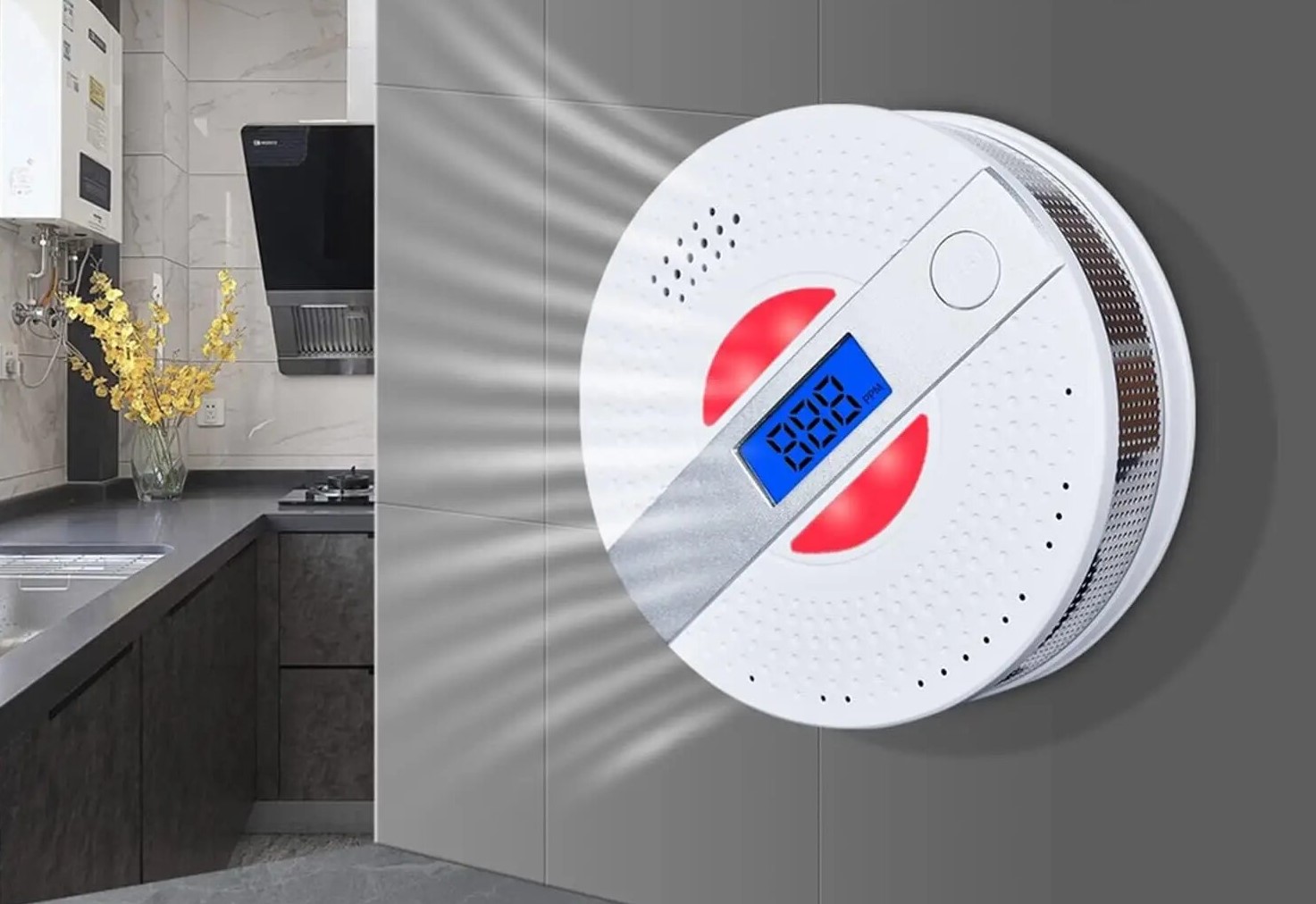
Enter the carbon monoxide detector! This device has a completely different kind of sensor inside.
It's specifically designed to measure the levels of carbon monoxide gas in your home's air.
When those levels get too high, even if they're not immediately life-threatening but could become so, it sounds an alert.
This early warning gives you time to ventilate your home or evacuate safely.
So, while it might look similar to a smoke detector on the outside, what's happening on the inside is entirely different.
These detectors are your invisible shield against an invisible enemy, tirelessly monitoring the air for this dangerous gas.
They are an indispensable partner in keeping your family safe from unseen dangers.
Without one, you might never know carbon monoxide is silently building up in your living space.
Why the Confusion? They Look So Alike!
It’s totally understandable why many people might think one device does both jobs. They often have similar sleek, round designs.
Plus, stores often place them right next to each other on the shelves, which adds to the mix-up.
Sometimes, homeowners even install them in similar locations, like hallways or near bedrooms.
But remember, appearances can be deceiving when it comes to home safety.
The key difference lies in the advanced technology and specific sensors packed inside each unit.
The Marvel of Combination Units
Here’s where things get interesting and can sometimes add to the delightful confusion. Some detectors actually do both jobs!
These are called combination smoke and carbon monoxide detectors. They are like having two superheroes sharing the same headquarters.
Inside these clever devices, there are two distinct and separate sensors.
One sensor is dedicated to detecting smoke, and the other is exclusively looking for carbon monoxide.
It's a fantastic solution for convenience, saving you installation points and battery changes.
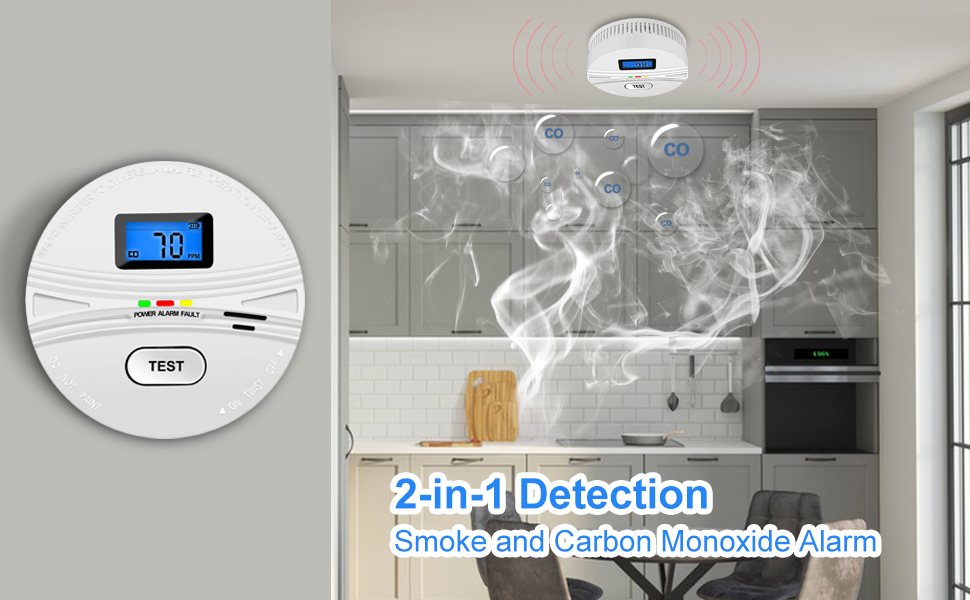
If you have one of these, you're getting double the protection in a single, neat package.
They'll often have a label clearly stating they detect both smoke AND carbon monoxide, sometimes even with two different alarm sounds to tell you what's wrong!
This is why it's always a great idea to check your specific device's packaging or manual.
Checking Your Home for Double Protection
Now that you know the difference, you might be curious about your own home. Do you have both types of protection?
It's a super easy thing to check. Take a moment to look at your existing detectors.
Many units will have specific markings on them indicating what they detect. Look for "SMOKE" or "CO" or both.
If you're unsure, it's always best to err on the side of caution and consider installing a dedicated carbon monoxide detector.
Placing them correctly is also important: smoke detectors generally go on every level and inside/outside sleeping areas.
Carbon monoxide detectors should be placed on every level of your home, especially near sleeping areas and where fuel-burning appliances are.
A Quick Safety Checklist for You
So, what’s your next exciting mission? It's all about ensuring your peace of mind.
First, walk around your home and identify your current detectors. Are they smoke detectors, carbon monoxide detectors, or a clever combination unit?

Make sure you have both types of protection in place, even if it means adding a new carbon monoxide detector.
Second, test them! Most detectors have a little button you can press. Give it a gentle push.
You should hear a loud, clear chirp or alarm. If you don't, it’s time to check the batteries or replace the unit.
Remember to test your detectors monthly and change batteries at least once a year, or when they start chirping a low-battery warning.
Lastly, keep an eye on their age. Detectors aren’t forever. Smoke detectors typically last about 10 years, and carbon monoxide detectors around 5-7 years.
There's often a manufacture date on the back of the unit; use this to gauge when they need a refresh.
The Sweet Sound of Safety
Knowing you’re protected from both fire and carbon monoxide brings an incredible sense of security.
It means your home isn't just a place to live, but a truly safe haven for everyone inside.
Taking a few moments to understand your detectors and ensure they’re working properly is a small effort for such a huge reward.
So go ahead, take a peek at those little discs in your home. It’s a fun, quick way to become a home safety expert!
Be curious, be safe, and enjoy the wonderful peace of mind that comes with knowing your guardians are always on watch.