How Can I Find Where My Septic Tank Is Located

Alright, let's talk about something that might not sound like the most glamorous topic, but trust me, it’s incredibly useful and can even be a bit of a homeownership adventure: finding your septic tank! While it’s certainly not a treasure chest, locating this vital part of your home’s infrastructure is like uncovering a hidden gem of knowledge. It's a common quest for many homeowners, and knowing its whereabouts can save you headaches, time, and money down the line. Think of it as embarking on a mini-mystery in your own backyard!
So, who benefits from this exciting detective work? Pretty much everyone! For beginners or new homeowners, it’s an absolutely essential piece of information. Understanding your home's entire system, from top to bottom, empowers you to make informed decisions about maintenance and future projects. You'll avoid the dreaded "oops, I dug through the leach field!" moment. For families planning anything from a new garden bed to a deck extension, knowing the exact location prevents accidental digging into sensitive areas, keeping your property safe and functional. And for the hobbyists and DIY enthusiasts out there, it’s all about self-sufficiency and mastering your domain. Plus, understanding where your tank is helps you keep an eye on its access points, which is crucial for routine inspections and pumping, thereby extending its lifespan.
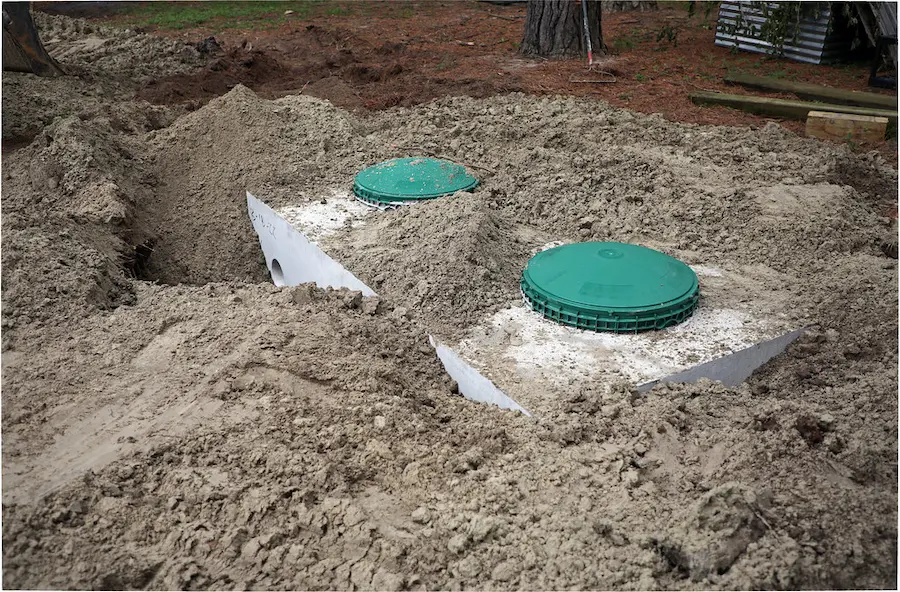
The quest isn't just about finding "a" septic tank; it's about understanding the specific components. You might be looking for a manhole cover, a riser, or even the general area of the leach field (also called a drain field). Some older systems might be buried quite deep with no obvious markers, making the search a bit more challenging, like finding an ancient artifact! Variations in tank types and installation depths mean there isn't a one-size-fits-all "Aha!" moment, but the journey to discovery is part of the fun.
Must Read
Ready to put on your detective hat? Here are some simple, practical tips to get you started:
- Check your paperwork: The absolute best first step! Dig out your property survey, plat maps, or any records from when your house was built or bought. Often, the septic system layout is clearly marked.
- Follow the main sewer line: Locate where your main drain pipe exits your house. Your septic tank is almost always in a straight line, usually 10-20 feet from the house, following that pipe.
- Look for visual clues: Sometimes, the ground above a septic tank might be slightly depressed, or you might notice a patch of exceptionally green grass, especially in drier weather (the nutrients can make the grass extra lush!).
- Gently probe the ground: Using a long, thin metal rod (like rebar) or a shovel, you can carefully probe the likely areas. Be gentle! You're feeling for a solid, flat surface, not trying to pierce anything. Start near where the pipe exits the house and work outwards.
- Ask your neighbors: If they have a similar house or their home was built around the same time, they might have insights or even know exactly where theirs is, giving you a good starting point.
- Contact the local health department: They often keep records of septic system installations, especially for older homes.
- Consider a professional: If all else fails and you're getting frustrated, a professional septic company has specialized equipment (like electronic locators) that can find it quickly and safely. It’s an investment in peace of mind!
Finding your septic tank might not be the most glamorous task, but it's incredibly empowering. You'll gain a deeper understanding of your home's mechanics, prevent costly mistakes, and generally feel more in control of your property. So, embrace the adventure, enjoy the process of discovery, and relish in the satisfaction of knowing exactly what's beneath your feet!