
Why Does My Carbon Monoxide Alarm Keep Beeping
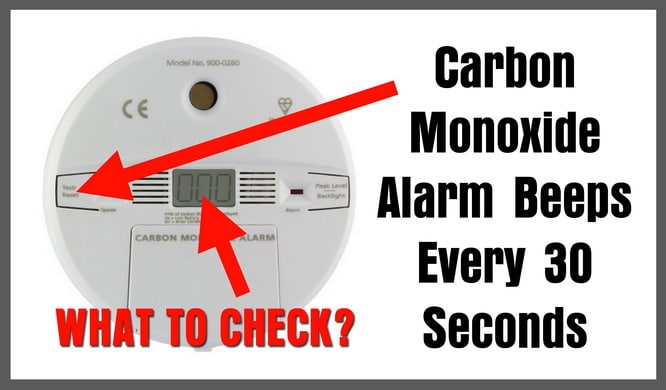
Alright, so your carbon monoxide alarm just let out a rather piercing shriek, or maybe it’s been doing that annoying little chirp-chirp dance. First things first: take a deep breath! We know, it sounds like an angry robot bird, but that little device is actually your home’s unsung superhero, a tiny guardian angel in plastic.
Instead of thinking of it as a rude awakening, imagine it as your home's personal bodyguard, always on alert. It’s not trying to annoy you; it’s just doing its very important, life-saving job! Let's unravel this mystery together, with a sprinkle of fun and zero panic.
Your Alarm's Inner Drama Queen (and Why We Love Her)
That persistent beeping isn't just noise; it's a message! And like all good communicators, your CO alarm has a few different ways of getting its point across. Understanding its language is key to figuring out what's really going on.
Must Read
Think of it as the ultimate early warning system, tuned in to a very sneaky guest. This guest is known as carbon monoxide, or CO for short. It's a gas you can't see, smell, or taste, which makes it super tricky.
It's the ultimate invisible party crasher, but your alarm is the bouncer who always spots him!
The Silent Guest: Carbon Monoxide (CO)
So, what exactly is this invisible ninja of the airwaves? Carbon monoxide is a byproduct of incomplete combustion. Basically, whenever something burns fuel, like gas, oil, wood, or charcoal, there's a chance CO can be produced.
If not properly vented, this gas can build up to dangerous levels. That's where your trusty CO alarm swoops in, sensing its presence long before you ever would. It's truly a marvel of modern safety.
It's like having a superpower that lets you "see" the unseen, all thanks to that little device on your wall or ceiling. Pretty cool, right? Now, let's talk about why it might be raising such a ruckus.

Culprit Number One: The Case of the Grumpy Battery
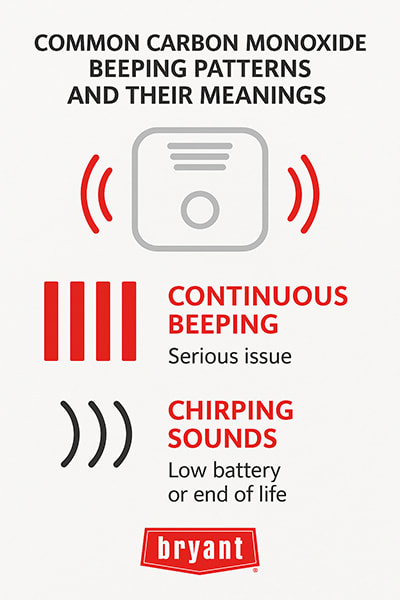
This is, hands down, the most common reason for that incessant, nagging chirp! Your CO alarm, much like a hungry toddler, needs its energy. When its battery starts to run low, it'll let out a short, sharp peep every 30 to 60 seconds.
It's not a full-blown alarm cry; it’s more of a gentle (or not so gentle) reminder. Think of it as your alarm politely, but firmly, saying, "Hey! Buddy! I need a snack!" This is its way of preventing a full power outage.
Replacing the battery is usually a quick fix, often as simple as popping open a compartment and swapping out a 9-volt or AA battery. It’s like giving your little guardian a fresh shot of caffeine for another year of vigilance.
Always keep a spare battery handy for these moments of low-power drama. Your ears (and sanity) will thank you. It’s a small price to pay for uninterrupted safety and peace of mind.
Culprit Number Two: Time for a Retirement Party!
Believe it or not, your carbon monoxide alarm doesn't live forever. These wonderful safety devices have a lifespan, usually around 5 to 7 years. After this time, their sensors can become less reliable, like an old detective whose super-sniffing skills aren't what they used to be.
When an alarm reaches its golden years, it often starts chirping in a specific pattern to signal its impending retirement. It's not a battery issue; it’s a gentle hint that it’s time to replace the entire unit. You can usually find the manufacture date on the back of the alarm.
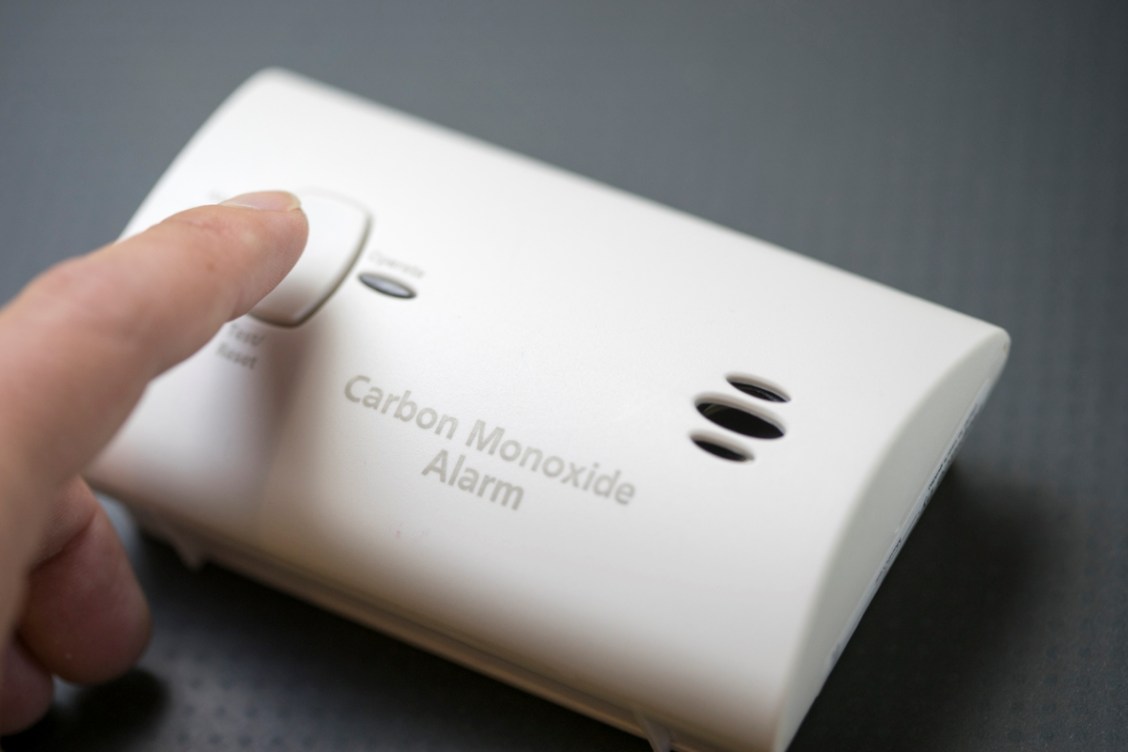
Think of it as your alarm earning its gold watch after years of dedicated service. It’s time to celebrate its contribution and usher in a newer, sprightlier model. A fresh alarm ensures you have the most up-to-date technology protecting your home.
So, check that date! If it's pushing past its prime, it's not trying to be difficult; it’s just letting you know it's time for an upgrade. A new alarm means refreshed sensors and another several years of worry-free protection.
Culprit Number Three: An Actual, Honest-to-Goodness CO Alert!
Okay, this is the big one, the main event, the reason your alarm exists. If your CO alarm isn't just chirping, but letting out a series of loud, rapid beeps (often four quick beeps, then a pause, then repeat), it's yelling, "WARNING! WARNING! Invisible gas detected!"
This is the moment it truly earns its superhero cape. When it detects dangerous levels of carbon monoxide, it doesn't mess around. This isn't a low-battery plea; it's a full-on emergency broadcast.
So, where does this invisible villain come from? It's usually a combustion appliance that isn't working quite right or isn't properly vented. Common culprits include:
The Furnace Fiasco
Your furnace works hard to keep you toasty, but if it's malfunctioning, especially its heat exchanger, it can produce CO. Think of it as a tireless worker getting a bit sloppy on the job. Regular maintenance is key!

Water Heater Woes
Much like your furnace, a gas water heater can be a source if it's not combusting fuel efficiently or if its exhaust vent is blocked. It's another hardworking appliance that needs a check-up now and then.
Stovetop Shenanigans and Oven Oversights
Leaving a gas stovetop burner on without a flame (unlit gas) or using a gas oven to heat your home can produce CO. It’s like using a tool for the wrong purpose; it might get the job done, but with dangerous side effects.
Fireplace Fumes and Grill-Goofs
A blocked chimney flue from a cozy fireplace, or even using a charcoal grill indoors (a definite no-no!), can unleash a burst of CO. Always ensure proper ventilation and never bring outdoor combustion devices inside.
The Car in the Garage Calamity
Running your car in an attached garage, even for a short time, can quickly fill your home with dangerous levels of carbon monoxide. It's surprisingly easy for those exhaust fumes to seep into living areas. Always back your car out before warming it up!
What To Do When Your Alarm Screams for Attention
If your CO alarm is doing its rapid, urgent beeping (not just chirping), here’s the game plan:
Step 1: Get Out! Your first priority is to evacuate everyone, including pets, from the house immediately. Don't stop to investigate; just get fresh air. This is non-negotiable! Head to a neighbor’s house or outside.
Step 2: Call for Help! Once you're safely outside, call your local emergency services (like 911 in the US). They have the proper equipment to detect CO levels safely and will advise you on the next steps. They are the true experts in these situations.
Step 3: Stay Out! Do not re-enter your home until emergency responders tell you it's safe to do so. They will find the source of the CO and ensure the air is clear before giving you the all-clear.
Remember: If it's a full alarm, it's not a drill. It's your home shouting, "Time to go!"
Feeling Good About Being Prepared
So, the next time your carbon monoxide alarm starts its vocal performance, you'll know exactly why. Whether it's demanding a fresh battery, announcing its retirement, or doing its main job of spotting the invisible troublemaker, you're now equipped to understand its language.
It's easy to get frustrated by a beeping alarm, but try to remember: it's truly a tiny, tireless champion. It’s on your side, constantly sniffing the air to keep you and your loved ones safe. A little bit of knowledge turns that annoying beep into a reassuring whisper of protection.
By keeping your alarms up to date, replacing batteries regularly, and understanding the signs, you're not just preventing a nuisance; you're actively embracing home safety. Go forth and conquer those beeps with confidence! You've got this!