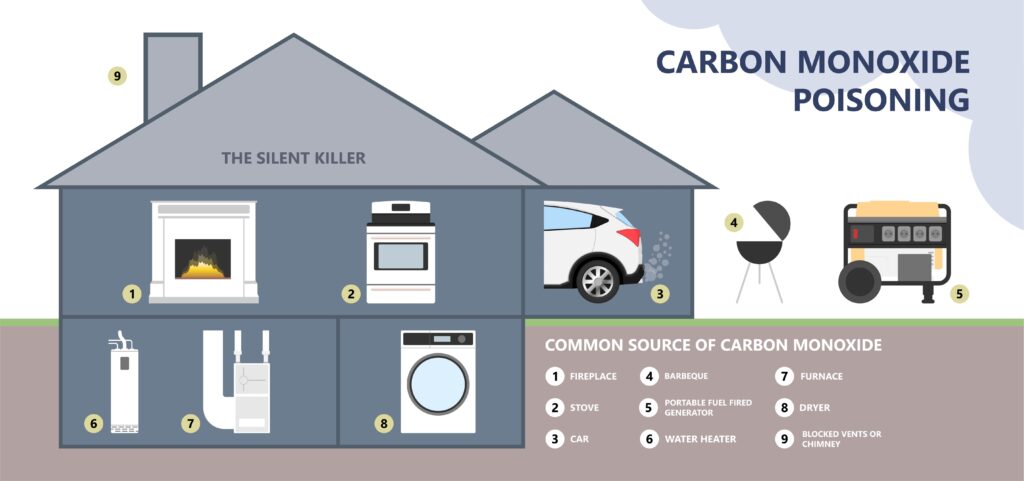
How To Know If Carbon Monoxide Is In Your Home

Alright, settle in, grab your beverage of choice – preferably not brewed over an improperly vented charcoal grill indoors, because that would be deeply ironic and frankly, a bit concerning. We're here to talk about a true master of disguise, the ninja of noxious gases: carbon monoxide. Or, as I like to call it, "The Silent Party Crasher Who Doesn't Bring Snacks."
This isn't your average Tuesday evening chat about the neighbor's new gnome collection. This is about something that can be present in your home, right under your nose, without you ever knowing it. And no, your super-sniffer dog won't bark at it, your cat won't give it a side-eye, and even if you have X-ray vision, you're out of luck. CO is colorless, odorless, and tasteless. It's basically the ghost of a really bad decision.
The Invisible Intruder: Why It's So Sneaky
Imagine trying to catch a thief who can walk through walls, is invisible, and emits no sound. That's carbon monoxide. It doesn't smell like rotten eggs (that's natural gas, a different villain), it doesn't look like smoke, and it certainly won't tap you on the shoulder and introduce itself. This makes it incredibly dangerous, because by the time you realize something's wrong, you might already be feeling a bit… off.
Must Read
So, how do you know if this invisible menace is currently plotting against your oxygen supply? Well, you can't just sniff the air and declare, "Aha! A hint of danger and despair!" You'd be wrong. And possibly sniffing too hard.
Your Body's Alarms (Sometimes Too Late, Sorry)
This is where things get serious, but we'll try to keep it light, like a feather... that's slowly being deprived of oxygen. The first signs of carbon monoxide poisoning often mimic other, less sinister ailments. Think of it as your body's really bad impression of the flu.

- Headache: Not your usual "I stayed up too late watching cat videos" headache, but a persistent, throbbing one. Like your brain is trying to escape your skull and become a maraca.
- Dizziness/Weakness: Feeling woozy, like you've had one too many spins on the teacup ride at the fair, but you haven't left your couch.
- Nausea/Vomiting: The classic "stomach flu" symptom. You might feel like you need to throw up, but there's no obvious culprit like that questionable sushi you had last week.
- Confusion/Disorientation: Suddenly forgetting where you put your keys is one thing. Forgetting what keys are is another.
- Shortness of Breath: Feeling like you can't quite catch your breath, even when you're just sitting there, not even running from a rogue squirrel.
- Blurred Vision: Everything looks a bit fuzzy, like you're trying to view the world through a dirty camera lens.
The really tricky part? If everyone in the house starts feeling these symptoms at the same time, especially if they clear up when you step outside and then return when you go back in – that's a gigantic, flashing RED ALERT sign. It's like your house is telling you, "Get out! I'm trying to kill you!" (But in a more polite, symptom-based way).
A really advanced, and very dangerous, sign is cherry-red skin. But if you're waiting for that, you've probably waited too long. We want to catch this villain before it turns you into a human cherry popsicle.

The Real Heroes: Carbon Monoxide Detectors!
Forget Batman, forget Wonder Woman. The true superheroes in this story are those little boxes you plug into the wall or mount on the ceiling: carbon monoxide detectors. They are the only reliable way to know if this silent killer is in your home. They don't rely on your foggy brain or your nausea; they rely on science!
Think of them as your home's personal bodyguard, tirelessly sniffing the air for anything amiss, even when you're asleep and dreaming of pizza. When they detect dangerous levels of CO, they let out a shriek that sounds like a banshee trapped in a blender. And trust me, you'll want to hear that shriek if it means saving your life.
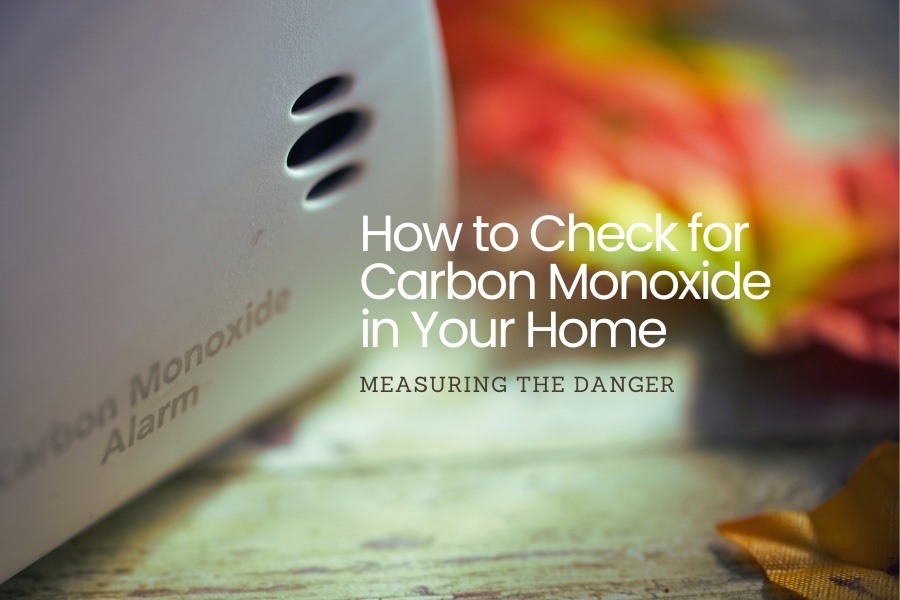
Where to Put These Lifesavers:
- Near sleeping areas: So the alarm wakes you up.
- On every level of your home: Especially if you have a basement or an attached garage.
- Near major fuel-burning appliances: Like your furnace or water heater. But not right next to them, as that might give false alarms.
Just like your smoke detectors, these little guardians need love too! Test them regularly (check the manufacturer's instructions, usually monthly), and replace their batteries (if applicable) at least once a year, or when they start chirping annoyingly like a dying robot bird. Don't ignore that chirp! It's their way of saying, "Hey! I'm running low on juice, and I'm supposed to save your life!"
A Final Laugh (and a Serious Note)
So, while the idea of your house slowly poisoning you sounds like a plot from a very unsettling indie film, the solution is thankfully straightforward. Don't rely on your senses, your pet's psychic abilities, or your neighbor's anecdotes about "that time I felt a bit sleepy." Invest in a few carbon monoxide detectors, maintain them, and spread the word.
It's a small investment for massive peace of mind. And frankly, your brain will thank you for not turning it into a maraca. Stay safe, stay healthy, and keep those invisible party crashers out of your home!