
How Do I Get My Smoke Detector To Stop Chirping
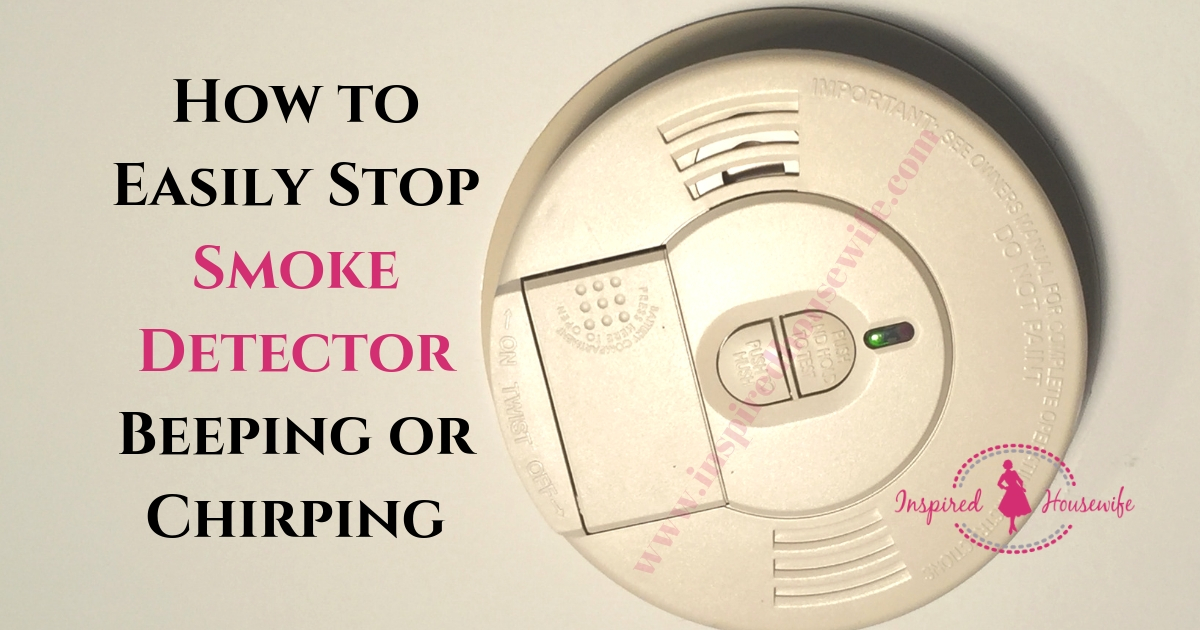
Ah, the smoke detector chirp. It's the unexpected, uninvited guest that shows up in the dead of night, usually just as you’ve finally drifted off into a glorious, drool-inducing sleep. One moment you're dreaming of winning the lottery, the next you're jolted awake by that infernal, high-pitched BEEP! ... BEEP! ... BEEP! It's not loud enough to be a full alarm, oh no. That would be too merciful. Instead, it’s a sinister, insistent little sound, perfectly designed to burrow into your brain and prevent any further rest.
It’s like that one mosquito in your bedroom – you know it's there, you know it's annoying, but you just can't quite pinpoint its exact location. The smoke detector chirp is the auditory equivalent of being poked repeatedly with a very tiny, very sharp stick. You swear it has a personal vendetta against your sanity.
The Midnight Investigation: Where Is It Coming From?!
Your first thought, naturally, is: “Which one is it?!” Because, of course, no one ever has just one smoke detector. They're like dust bunnies – they multiply when you’re not looking. You lie in bed, eyes wide, straining your ears. Is it the one in the hallway? The kitchen? The bedroom? The guest room that hasn’t seen a guest since 2019? It’s a real-life game of auditory hide-and-seek, and the smoke detector is winning.
Must Read
You stumble out of bed, a bleary-eyed zombie on a mission. You wave your arms around like a conductor, trying to triangulate the source. You walk under one, then another. Is it getting louder? Softer? It feels like the sound is deliberately echoing, bouncing off walls, just to mess with your head. Eventually, you pinpoint it – usually the one directly above your head, or the one that requires a precarious climb on a wobbly chair to reach.
The Culprit: Usually a Low Battery (The Obvious, Yet Elusive, Truth)
Let's cut to the chase: 99 times out of 100, that infernal chirping is your smoke detector’s passive-aggressive way of telling you, “Hey, buddy, I’m running on fumes here!” It’s the device's equivalent of a teenager grunting an annoyed “I’m hungry” instead of just asking for food.

These little heroes are constantly monitoring for smoke, and that takes power. When their battery starts to dwindle, they let you know with that maddening chirp. It's not because they enjoy tormenting you; it's a safety feature. They need enough juice to actually scream bloody murder if there's a fire, and a dying battery won't cut it.
How to Silence the Squealer (And Get Your Sleep Back)
Step 1: Identify and Reach the Offender
Once you’ve successfully identified the culprit (congratulations, Sherlock!), you need to get to it. This often involves a sturdy chair, a step stool, or if you’re particularly tall, maybe just a good stretch. Safety first, though! Don't go performing Olympic-level gymnastics on a rickety stack of encyclopedias.
Step 2: The Twist and Pull
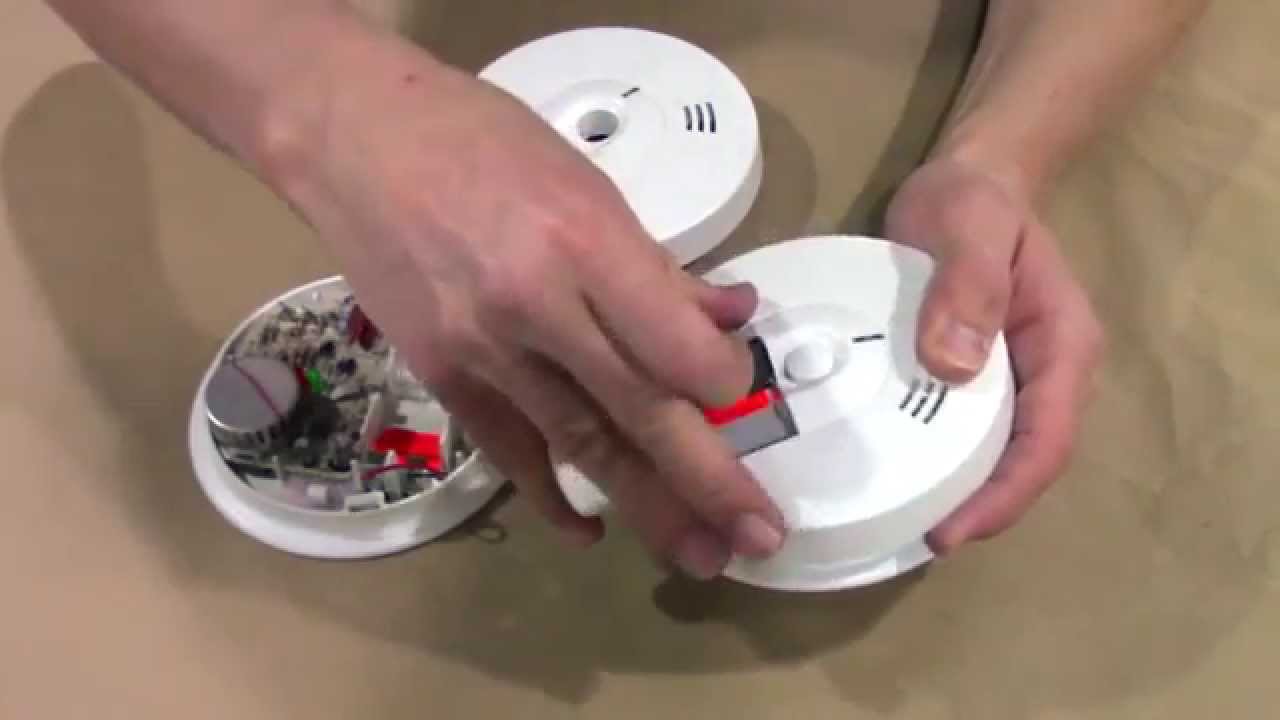
Most modern smoke detectors attach to a mounting bracket with a simple twist. Give it a firm, counter-clockwise turn, and it should unclip. Don’t be surprised if it gives a final, defiant BEEP! as you pull it down. It’s just saying goodbye... for now.
Some models have a little latch or button you press to open the battery compartment directly without taking the whole unit down. Check your specific model if twisting seems too aggressive.
Step 3: The Battery Swap (The Moment of Truth!)
Open the battery compartment. You’ll usually find a 9-volt battery (the rectangular one with two terminals on top, looking like a tiny robot face) or sometimes AA or AAA batteries. Pop out the old one. Ah, the sweet, sweet silence that follows! It’s like the universe suddenly held its breath.
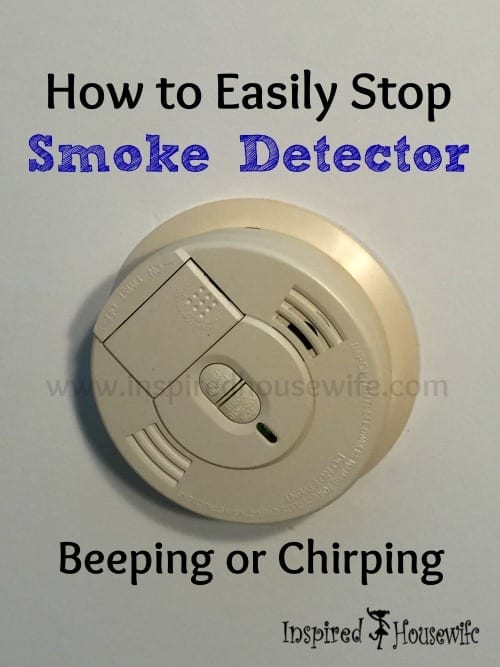
Now, grab a fresh battery. This is where having a stash of fresh batteries (especially 9-volts!) comes in handy. There’s nothing worse than getting to this point, only to realize you’re out of spares. That’s a one-way ticket back to chirping hell.
Insert the new battery, making sure the positive and negative ends align correctly. You might hear a quick, reassuring chirp or two as the detector powers up and tests itself. This is a good chirp, a “I’m alive and ready for duty!” chirp, not an annoying “I’m dying!” chirp.
Step 4: Reattach and Test
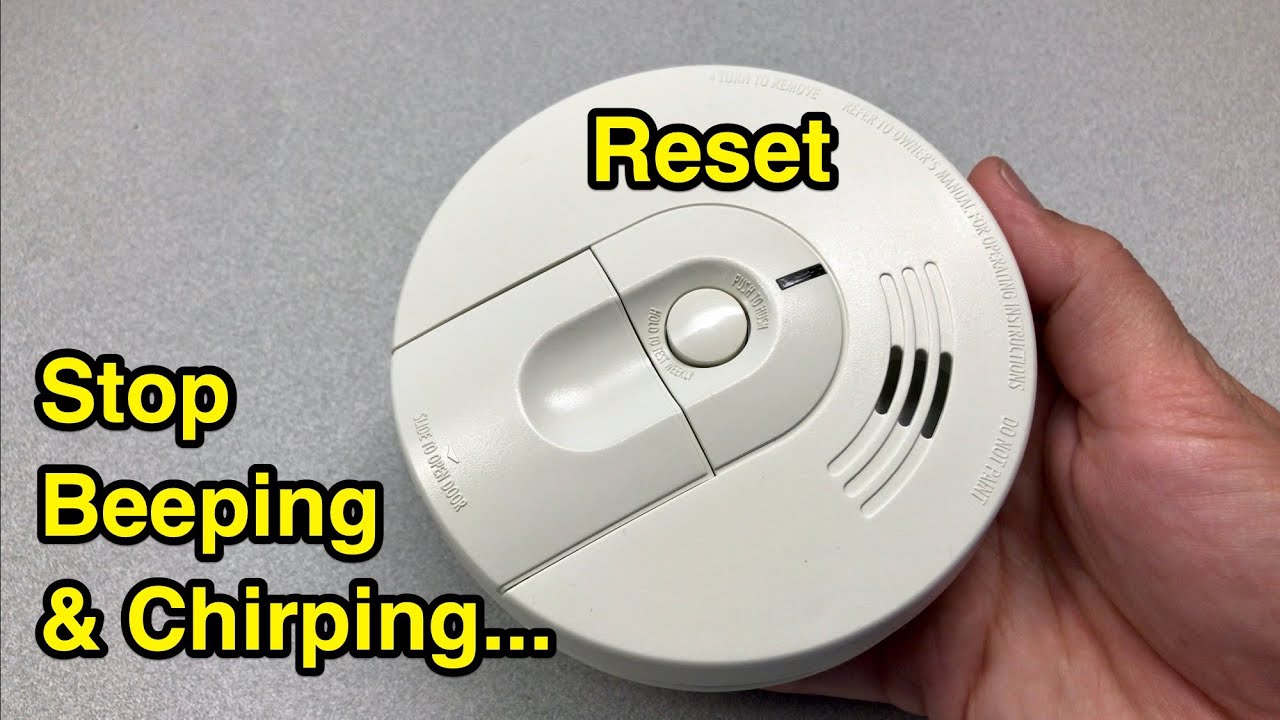
Once the new battery is in, reattach the smoke detector to its mounting bracket with a clockwise twist until it clicks into place. Most detectors have a test button – give it a press! It should let out a glorious, full-volume alarm for a few seconds. This means it’s working perfectly, fully charged, and ready to protect your home (and your sleep).
Other Reasons for the Chirp (The Less Common, More Annoying Ones)
While a low battery is king, sometimes other things can trigger the chirp:
- Dust Bunnies: Sometimes, dust or small insects can get into the sensing chamber, causing a false alarm or a chirp. A quick blast of compressed air (or a good old-fashioned puff of breath) can often clear it out.
- End of Life: Smoke detectors aren't immortal. Most have a lifespan of about 7-10 years. After that, their sensors can become less reliable, and they might start chirping to indicate it’s time for retirement. Look for a manufacturing date on the back!
- Humidity/Temperature Changes: Less common, but sometimes extreme fluctuations can trick the sensor.
A Final Nod and a Wink
So, the next time that little electronic terror starts its midnight serenade, remember: it’s not out to get you. It’s just doing its job, albeit in the most inconvenient and startling way possible. Change that battery, enjoy the profound silence, and give a silent thanks to these unsung heroes who keep us safe. Now go on, get back to those lottery dreams. You’ve earned it.