Do Fire Alarms Have Carbon Monoxide Detectors
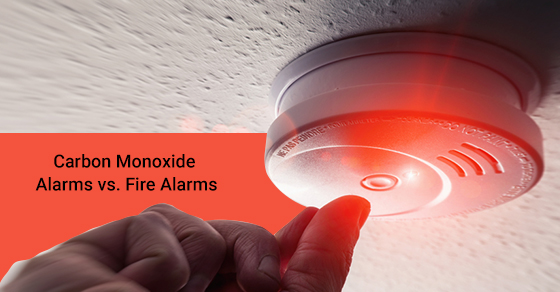
Ever wondered about those unassuming little circles on your ceiling? You know, the ones that occasionally let out a startling chirp or a full-blown siren? They’re more than just noise-makers; they’re your home’s silent guardians, and exploring their capabilities has become quite the fascinating pursuit for the modern homeowner! Think of it as a delightful dive into domestic tech-sleuthing, a gentle uncovering of the mysteries of your own four walls. It's a journey into understanding the very air you breathe, and it's surprisingly popular – not just for safety buffs, but for anyone who loves a good puzzle or a practical life hack.
So, why embark on this thrilling quest to understand if your fire alarm is also pulling double duty as a carbon monoxide (CO) detector? For artists, hobbyists, or even the most casual learner, the benefits are wonderfully tangible. Firstly, there’s the undeniable peace of mind. Knowing exactly what protection you have in place, and where, fosters a deep sense of security. It’s like being able to identify every brushstroke in a painting – you appreciate the whole picture so much more. Secondly, it’s an incredibly empowering little project. You’re not just passively relying on a device; you’re understanding it, making informed decisions about your living space. It’s a low-stakes way to boost your DIY confidence and feel like a true home safety guru. And let's be honest, it’s also just plain interesting! It taps into that innate human curiosity, offering a chance to learn something genuinely useful about your immediate environment.
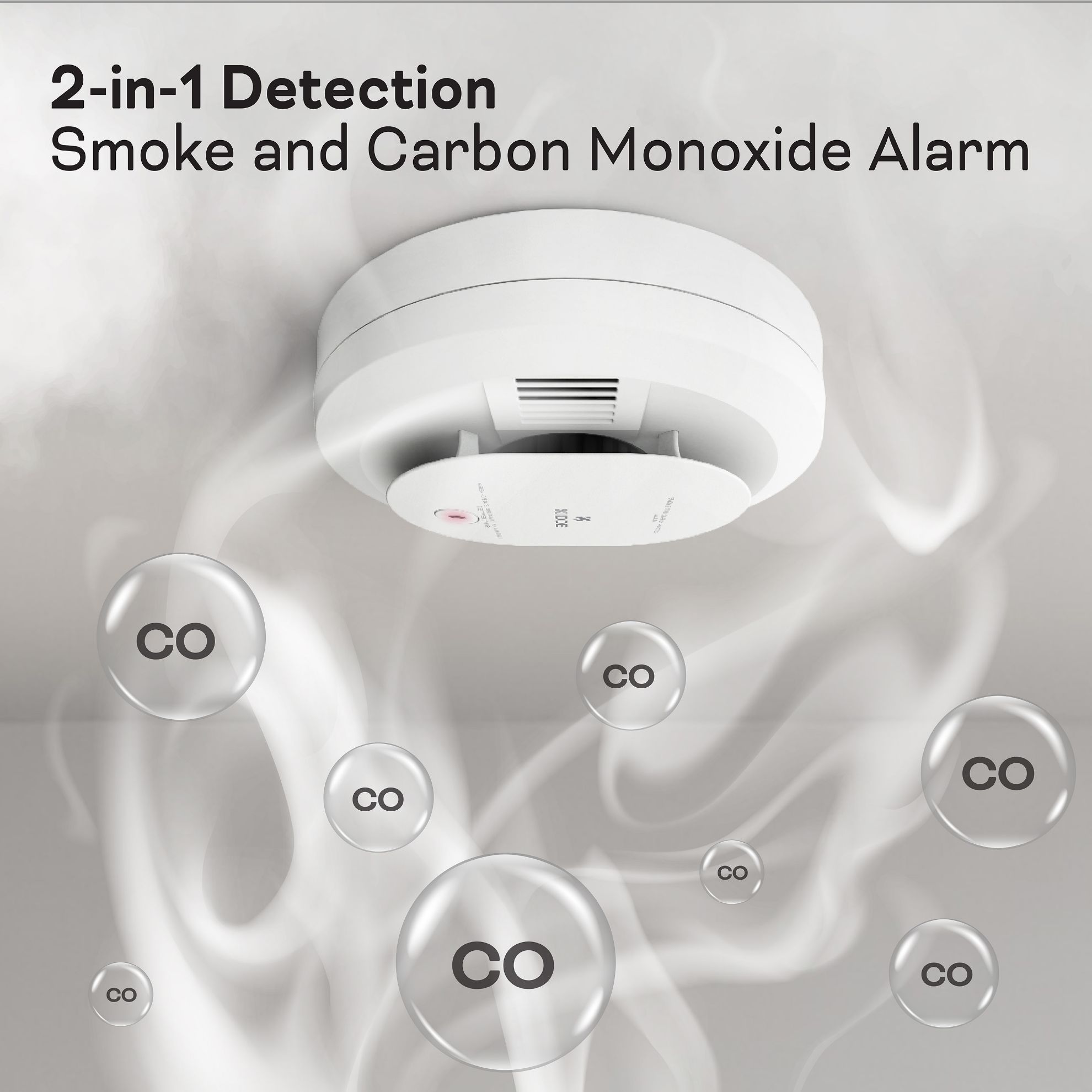
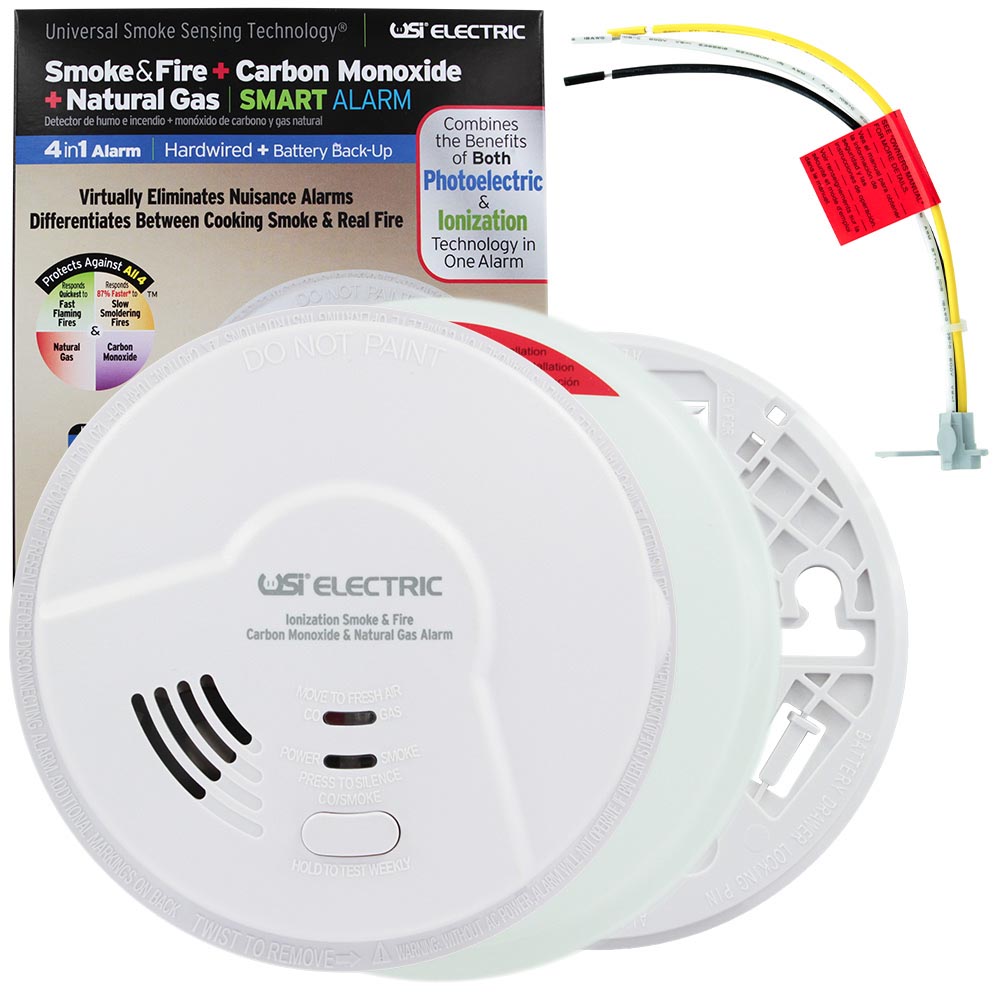
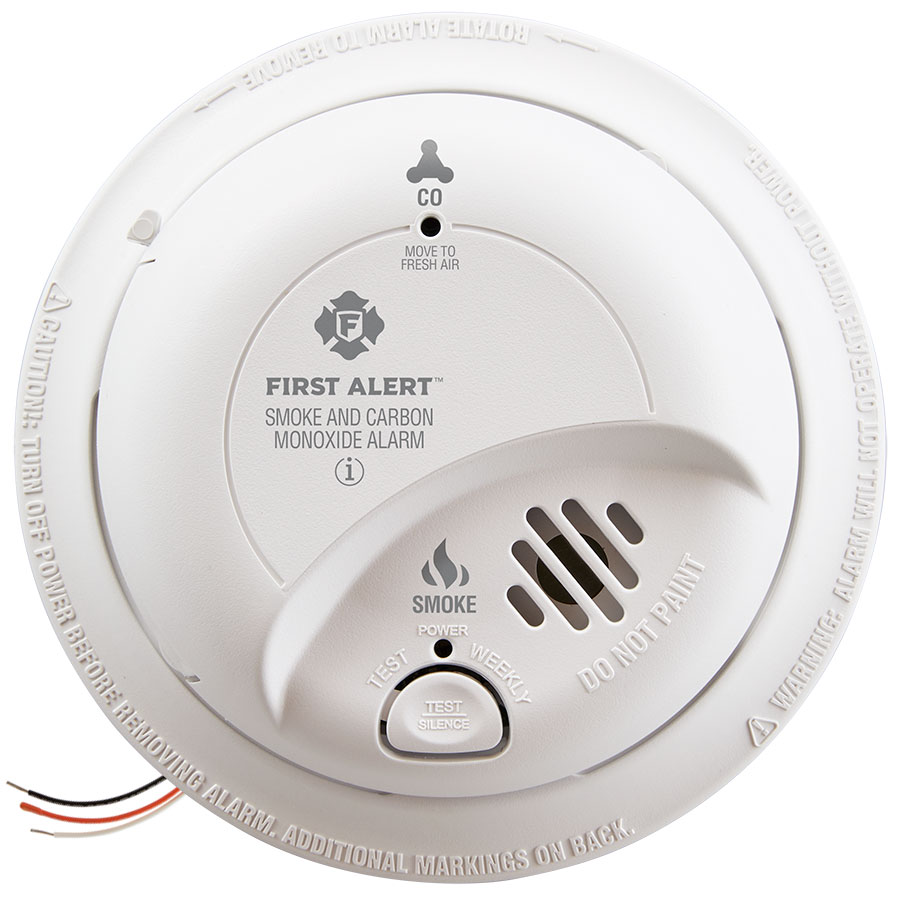
The world of these watchful sentinels offers surprising variations, much like different styles of art! You have the "classic chirper", often a simple smoke alarm doing its crucial job. Then there's the "dynamic duo", a combined unit designed to detect both smoke and carbon monoxide – these are the true multi-taskers of home safety. You might also encounter the "smart sentinel", integrated into modern smart home systems, offering app notifications and interconnected protection. Each variation has its own visual cues and unique "personality." Some will explicitly state "Smoke & Carbon Monoxide Detector" right on the label, while others might just have a tiny CO symbol. It's like spotting the signature on a masterpiece – once you know what to look for, it's clear.
Must Read
Ready to become a home detective yourself? Here are a few lighthearted tips for trying this at home. First, and perhaps most obvious, look closely at your existing units. Many combined detectors will have clear labeling. Next, the often-overlooked secret weapon: read the manual! Yes, that little booklet might just be your Rosetta Stone. If you don't have it, a quick online search with the model number usually pulls up a digital copy. Also, take note of the buttons – some units have separate test buttons for smoke and CO, or a single button that cycles through both. Remember that placement matters too: CO detectors are often recommended near sleeping areas, while smoke alarms are generally found in hallways and common areas. If in doubt, and if your units are older than 7-10 years, considering an upgrade to a combined smoke and CO detector is always a smart and easy way to enhance your home's protection.
Ultimately, this isn't just about safety; it's about the deep satisfaction of truly knowing your home. There's a quiet joy in understanding the mechanisms that keep your family safe, a sense of empowerment that comes from being informed. It’s a simple act of proactive care, turning a potential point of anxiety into a moment of calm certainty. So go ahead, peek at those ceiling circles. You might just discover a fascinating little secret right above your head!