Why Is My Fire Alarm Going Off For No Reason

Ah, the symphony of modern living! You’re relaxing, maybe watching TV, perhaps even sleeping soundly, when suddenly... BEEP-BEEP-BEEP! Your fire alarm decides it's time for a dramatic solo. For what seems like no reason at all. We've all been there, right? That moment of instant panic, followed by frustration, and then the mad scramble to figure out how to make the noise stop. This common household conundrum isn't just annoying; it's a topic that's incredibly useful to understand, because knowing why it happens can save you a headache (and your eardrums) next time it strikes!
Understanding the "why" behind those false alarms offers genuine benefits for everyone. For beginners, like new homeowners or renters, grasping the basics means you won't feel completely helpless when the siren wails. You'll know how to quickly silence it and begin troubleshooting. For families, it provides invaluable peace of mind. Quickly identifying the cause of a false alarm prevents unnecessary panic, helps keep children calm, and ensures you're only reacting to genuine threats. Even for the casual DIY enthusiast, a little knowledge goes a long way in confidently maintaining your home's safety systems, ensuring they're working effectively without being overly sensitive.
So, why exactly does your fire alarm sometimes decide to throw a party without an invitation? There are several usual suspects. The most notorious culprit is often a low battery, which usually manifests as a series of short chirps rather than a full alarm. But if it's a full-blown siren, consider things like dust and debris. Over time, little particles or even tiny insects can accumulate inside the sensor chamber, mimicking smoke. Then there's steam and high humidity – a long, hot shower or a vigorously boiling pot of water can sometimes trick an alarm into thinking there's a problem, especially if it's too close to the bathroom or kitchen. And, of course, the classic: over-toasted bread or a bit of smoke from a forgotten pan on the stove. Older alarms can also become overly sensitive as their components age, leading to more frequent false alarms. Sometimes, a combined smoke and carbon monoxide alarm might be triggered by CO, not smoke, and the sound can be confusingly similar.
Must Read
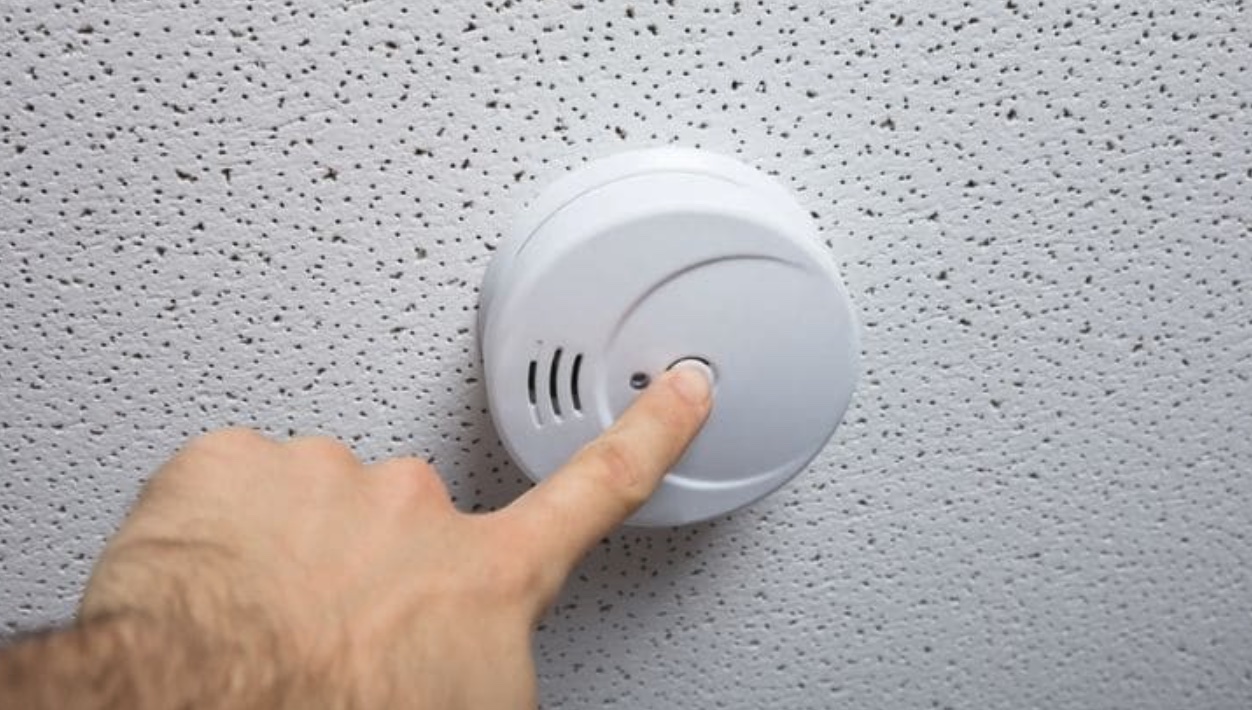
Ready to tackle that temperamental alarm? Here are some simple, practical tips to get started. First, always check the battery. If it's chirping, that's usually the sign. Replace it immediately with a fresh one. If it's a full alarm after cooking or showering, try ventilating the area by opening windows and doors. Another great tip is to clean your smoke detector regularly. A quick wipe down and a gentle vacuuming around the vents can dislodge dust and bugs. Remember to test your alarms monthly using the test button to ensure they're functioning. Finally, if your alarms are older than 8-10 years, it's probably time to replace them entirely, as their sensors degrade over time. Each alarm should have a manufacture date on the back.
Dealing with a "false" fire alarm can be a jolt, but armed with a little knowledge, you can approach the situation with confidence instead of chaos. Understanding these common triggers and knowing a few simple fixes transforms a moment of stress into a quick, manageable task. It's all about keeping your home safe and your mind at ease, proving that even a screeching alarm can be a learning experience with genuine value!