
How To Know When Carbon Monoxide Is Detected

In a world full of wonderful gadgets and innovations, there’s one unsung hero that, while nobody "enjoys" actively engaging with it, brings an unparalleled sense of security and peace: the carbon monoxide detector. Think about it – we love cozy nights by the fireplace, the warmth of a gas furnace in winter, or the convenience of a gas stove cooking a delicious meal. These everyday comforts are part of what makes a house a home. But lurking unseen, unheard, and unsmelled, is a potential danger that could turn those comforts into a nightmare: carbon monoxide (CO).
This is where our silent sentinel steps in. The core benefit of a CO detector is incredibly simple yet profoundly powerful: it’s your invisible bodyguard against the "silent killer." Carbon monoxide is a colorless, odorless, tasteless gas produced by the incomplete combustion of fossil fuels. It’s impossible for human senses to detect it, making a reliable alarm absolutely essential. Its purpose is to give you and your loved ones early warning, a precious gift of time that can literally save lives, preventing serious health complications, brain damage, or even death.
You’ll find CO detectors applied in numerous vital scenarios. Every home with a fuel-burning appliance – whether it's a gas furnace, water heater, stove, fireplace, or even an attached garage where a car might idle – absolutely needs one. They are crucial in RVs and boats, where space heaters or generators might be used in confined areas. Essentially, anywhere combustion occurs and ventilation might be compromised, a CO detector stands ready to alert you to danger, transforming a potential tragedy into a manageable incident.
Must Read
Now, how can you "enjoy" this vital safety measure more effectively? By ensuring it’s doing its job perfectly! Here are some practical tips:
- Strategic Placement: Install detectors on every level of your home, especially near sleeping areas. This ensures you'll be alerted even while you sleep. Avoid placing them directly next to fuel-burning appliances, but also not too far away.
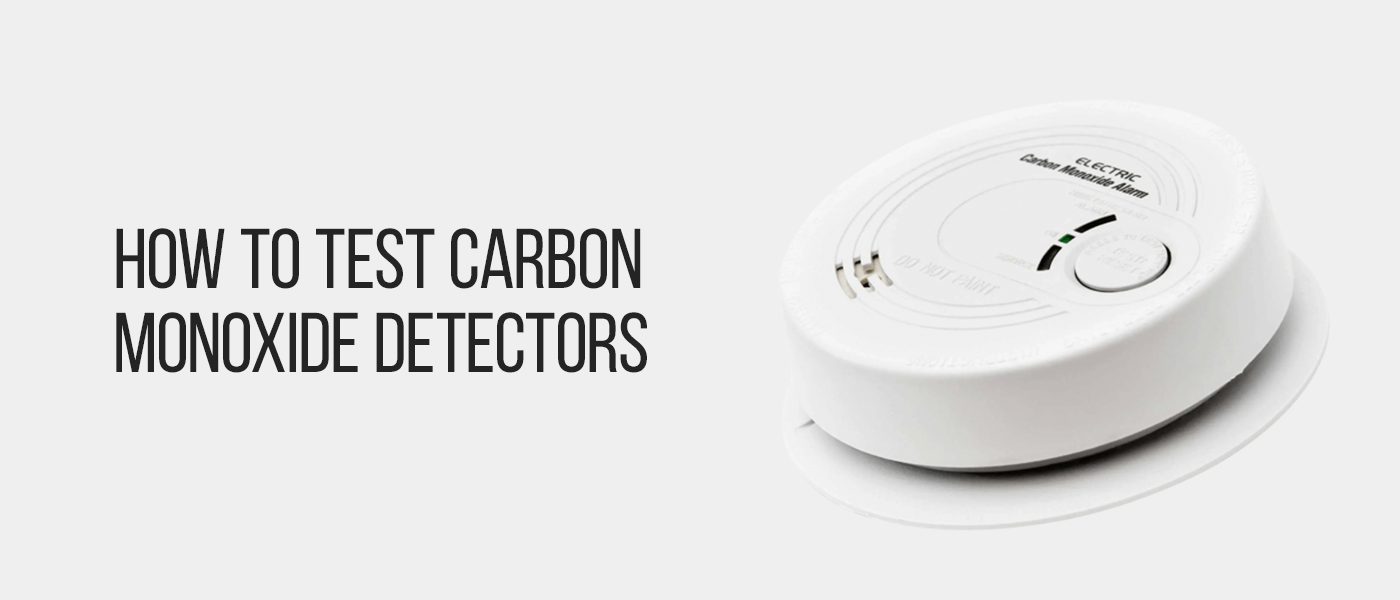
- Regular Testing: Most detectors have a "test" button. Push it monthly to ensure the alarm sounds. It’s a small action that offers huge reassurance.
- Battery Maintenance: If your detector is battery-operated, replace the batteries at least once a year, or twice a year if you want to be extra diligent (Daylight Saving Time changes are good reminders!).
- Know the Lifespan: CO detectors don't last forever. The sensors degrade over time. Most units need to be replaced entirely every 5 to 7 years. Check the manufacture date on the back of your unit.
- Understand the Alarm: Know the distinct sound of your CO detector’s alarm. It’s different from a smoke alarm. If it sounds, remember: Evacuate immediately! Get everyone, including pets, outside into fresh air. Then, call your local emergency services or fire department. Do not re-enter the building until it has been declared safe by professionals.
By following these tips, you're not just installing a device; you're actively engaging with your home's safety, protecting your most precious assets, and truly enjoying the peace of mind that comes from knowing you're prepared. It's the ultimate feeling of security, allowing you to focus on the joy of living, knowing your silent sentinel is always on guard.


