
Why Do My Smoke Detectors Go Off For No Reason

Ah, the dreaded symphony of the smoke detector! You're peacefully minding your own business, when BAM! Your smoke alarm decides to audition for a heavy metal band, blaring its piercing siren for what seems like absolutely no reason. You're left frantically searching for an invisible fire, wondering if your house has developed a sudden, dramatic personality trait. Sound familiar? You're not alone! This common, albeit annoying, phenomenon sparks both frustration and curiosity, making it a perfect mystery for us to unravel together.
Before we dive into the "why," let's remember the heroic purpose of these noisy little guardians. Smoke detectors are, quite simply, life-savers. Their primary job is to provide an early warning of fire or carbon monoxide, giving you and your family precious minutes to escape safely. They're designed to be highly sensitive, and that sensitivity, while crucial, is often what leads to those head-scratching false alarms. Think of them as incredibly vigilant sentinels, sometimes a little too eager.
So, why do these diligent devices sometimes go off when there's no actual smoke? Let's explore the usual suspects:
Must Read
First up: Cooking Fumes and High Heat. This is probably the most common culprit. Burnt toast? Seared a steak a little too well? Cooked something smoky? The tiny particles released during high-heat cooking, even if not "smoke," can trigger your detector. This is especially true for ionization types or units located too close to the kitchen. It’s microscopic combustion particles mimicking smoke.
Next, meet the master of disguise: Steam and Humidity. A steamy shower or a boiling pot can release enough water vapor to fool optical (photoelectric) smoke detectors. These sensors "see" particles, and dense steam scatters light in a way indistinguishable from smoke. Location matters – avoid placing detectors directly outside bathrooms or near humidifiers.
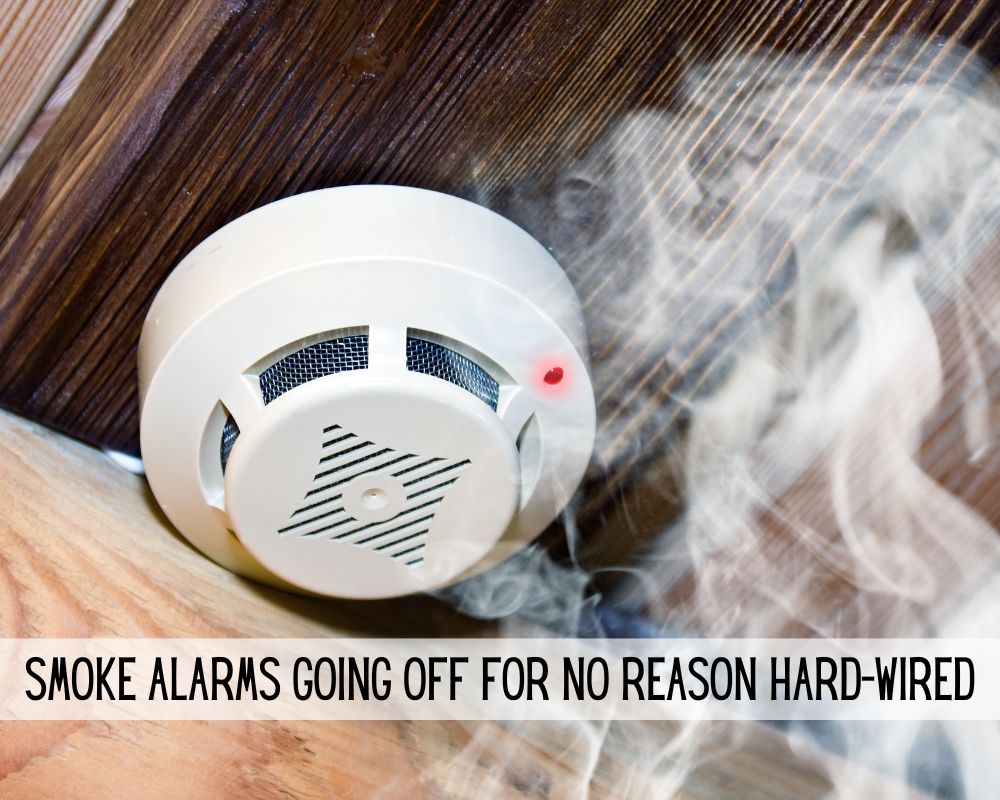
Don't underestimate the power of the tiny: Dust and Bugs. Over time, dust, cobwebs, or even small insects can accumulate inside the detector's sensing chamber. This debris can interfere with the sensor, blocking light or disrupting the ionization chamber, leading to an alarm. A regular gentle vacuuming of the vents can help prevent this.
Sometimes, it's not smoke, but Chemical Fumes. Aerosol sprays (like hairspray or air fresheners), cleaning products, or even paint fumes can contain chemicals or fine particles that trigger a smoke detector. It's a less common cause but certainly one to consider if you've recently been spritzing or scrubbing.

Finally, consider the detector's Age and Power Source. While a low battery typically results in a distinct "chirp," an old or faulty unit can sometimes trigger false alarms as its internal components degrade. Smoke detectors don't last forever; most manufacturers recommend replacement every 10 years. Check the date on the back!
So, the next time your smoke detector starts its impromptu concert, don't just rip it off the ceiling! Instead, try to identify the cause. By understanding these common triggers, you can prevent future false alarms and ensure your vigilant guardian is ready for when it really matters, keeping your home safe and your ears a little happier.

