How To Know When Your Septic Needs To Be Pumped

Okay, so let's chat about something super glamorous, shall we? Not! We're diving into the wonderful, mysterious world of your septic tank. Yeah, I know, the very phrase often sends shivers down some spines, or at least makes you wrinkle your nose a little. But listen, if you've got one, you gotta know its secrets. And one of those big secrets? Knowing when it needs a little... eviction party for its contents. Trust me, you do NOT want to miss this cue.
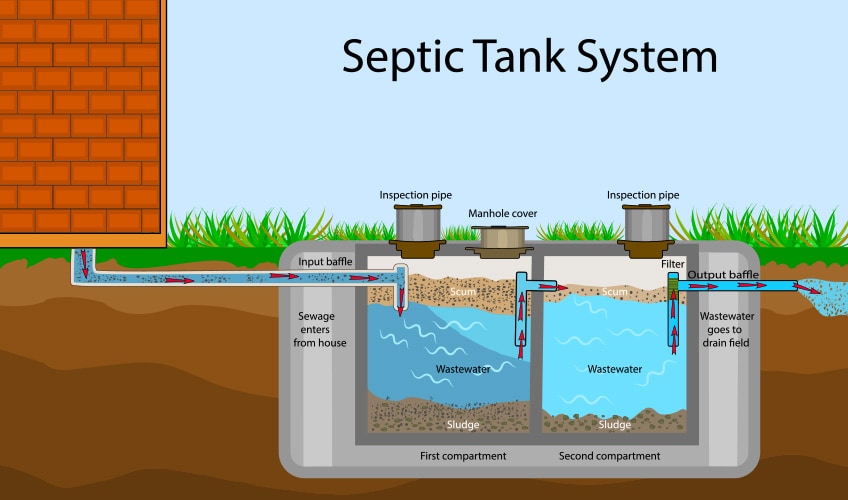
Think of your septic tank like a super diligent, underground butler for your household waste. It takes everything you flush or send down the drain, separates the solids from the liquids, and then lets the treated liquid sneak out into your drain field. Pretty neat, right? But like any good butler, it can get overwhelmed if it's not given a break. And when it gets overwhelmed? Oh boy, things can get stinky.
The Official Recommendation (and why it's a guideline, not gospel)
So, the boring, official line from the experts is usually to pump your tank every three to five years. And that's a pretty solid starting point, really. It's like your car's oil change schedule – a good rule of thumb. But here's the thing: your septic system isn't a robot following a strict calendar. It's a living, breathing (well, sorta) system that reacts to your household habits. So, while that 3-5 year mark is a nice idea, you also need to tune into its actual pleas for help. Because, believe me, it will beg.
Must Read
Your Septic's S.O.S. – The Obvious Signs
Let's get down to the nitty-gritty. How do you know when your underground waste-processing friend is raising the white flag? It's all about paying attention to a few not-so-subtle hints.
1. The Sluggish Sprint to Nowhere: Slow Drains
Ever notice your shower turning into a mini-pond while you're still lathering up? Or maybe the kitchen sink takes an eternity to drain after doing the dishes? This is often one of the first, most polite (yet annoying) warnings. It's like your septic system is saying, "Hey, friend, I'm a little full down here. Things are moving slowly." Don't ignore this. It's usually the early warning sign before things get truly chaotic.

2. The Gurgle Monster: Toilets and Drains Gurgling
This one's a bit more dramatic. You flush the toilet, and instead of a smooth whoosh, you get this unsettling, almost demonic gurgle. Or perhaps your shower drain starts making strange noises as the water reluctantly leaves. It sounds like something from a horror movie, right? That gurgling is usually air trying to escape past a blockage or a tank that's seriously backed up. It's your septic system literally gasping for air.
3. The Unmistakable Stink: Bad Smells
Okay, this is probably the least favorite, but definitely the most undeniable sign. If you start catching a whiff of something... unpleasant... around your yard, especially near the septic tank access lid or the drain field (that grassy area where the treated water disperses), it's a huge red flag. This isn't just a faint odor; we're talking about a smell that makes you want to spontaneously move to another state. If you smell it inside your house, especially near drains or in the basement, that's an even more urgent call for help. It means gases are backing up, and trust me, those are not the kind of "natural perfumes" you want wafting through your home.
4. The Bermuda Triangle of Green: Lush Green Patches
Picture this: your lawn is looking pretty normal, maybe a little dry, but then there's this one spot. It's ridiculously green, super lush, practically glowing compared to everything else. Almost like Mother Nature decided to install a secret, highly effective fertilizer dispenser right there. Guess what? It's probably not a magical fairy circle. It's often your drain field getting a little too much love (i.e., excess wastewater) from an overflowing tank. While a super green lawn sounds nice, this kind of specific lushness is actually a sign of trouble brewing underneath.
5. The Puddle of Nope: Standing Water
This is the nightmare scenario. If you see actual puddles of water, especially smelly water, pooling in your yard near your drain field, you've gone past "needs pumping" and are firmly in "emergency!" territory. This means your drain field is completely saturated, or your tank is overflowing big time, and the wastewater has nowhere else to go but up. Stop what you're doing, and call a professional, like, yesterday.
6. The Grand Finale: Sewage Backing Up
And finally, the ultimate horror show: sewage backing up into your toilets, tubs, or sinks. If this happens, my friend, you have officially reached septic system rock bottom. This means your tank is beyond full, the system is completely overwhelmed, and it literally cannot take another drop. It's a huge health hazard and a truly disgusting mess. You'll need immediate professional help. Like, right now.
What Affects Your Pumping Schedule? (It's Not Just a Number)
So, while those signs are critical, it's also good to know what makes your personal septic clock tick faster or slower:
- How many people live there? More people means more water, more waste, faster fill-up. Obvious, right?
- Tank size: A bigger tank can handle more for longer. Simple math.
- Your water habits: Are you taking super long showers? Doing laundry every single day? Running the dishwasher constantly? All that water adds up.
- What goes down the drain: Remember, your septic tank isn't a trash can. Flushing "flushable" wipes (they're not!), pouring grease, or using excessive amounts of harsh chemicals can wreak havoc and make it fill faster or work less efficiently.
The Bottom Line
Look, maintaining a septic system isn't the most glamorous part of homeownership, but it's crucial. Ignoring these signs isn't going to make them go away; it's just going to lead to a much bigger, smellier, and more expensive problem down the line. So, pay attention to your drains, trust your nose, and don't be afraid to call a septic professional when in doubt. They're the superheroes who deal with the stuff no one else wants to, keeping your home (and your yard) smelling fresh and functioning smoothly. Your nose (and your wallet) will thank you!