
How To Know If Carbon Monoxide Detector Works

There’s a silent guardian in your home, often tucked away, unassuming. It’s not a superhero in a cape, but a small box that stands watch over your most precious cargo: your family. We’re talking about your Carbon Monoxide Detector, and knowing it's ready for action is like knowing your favorite teddy bear is tucked in safe at night – pure, simple peace of mind.
Now, thinking about a safety device might not exactly scream "fun," but trust me, there's a surprising joy in understanding this quiet hero. You see, unlike a leaky faucet that drips a tell-tale rhythm, or a smoke detector that often makes its presence known with a dramatic burnt toast incident, the CO detector is usually quite demure. It’s only when it matters most that it truly shines. So, how do you know if your silent sentinel is actually, well, still sentineling?
The Great Test Button Adventure
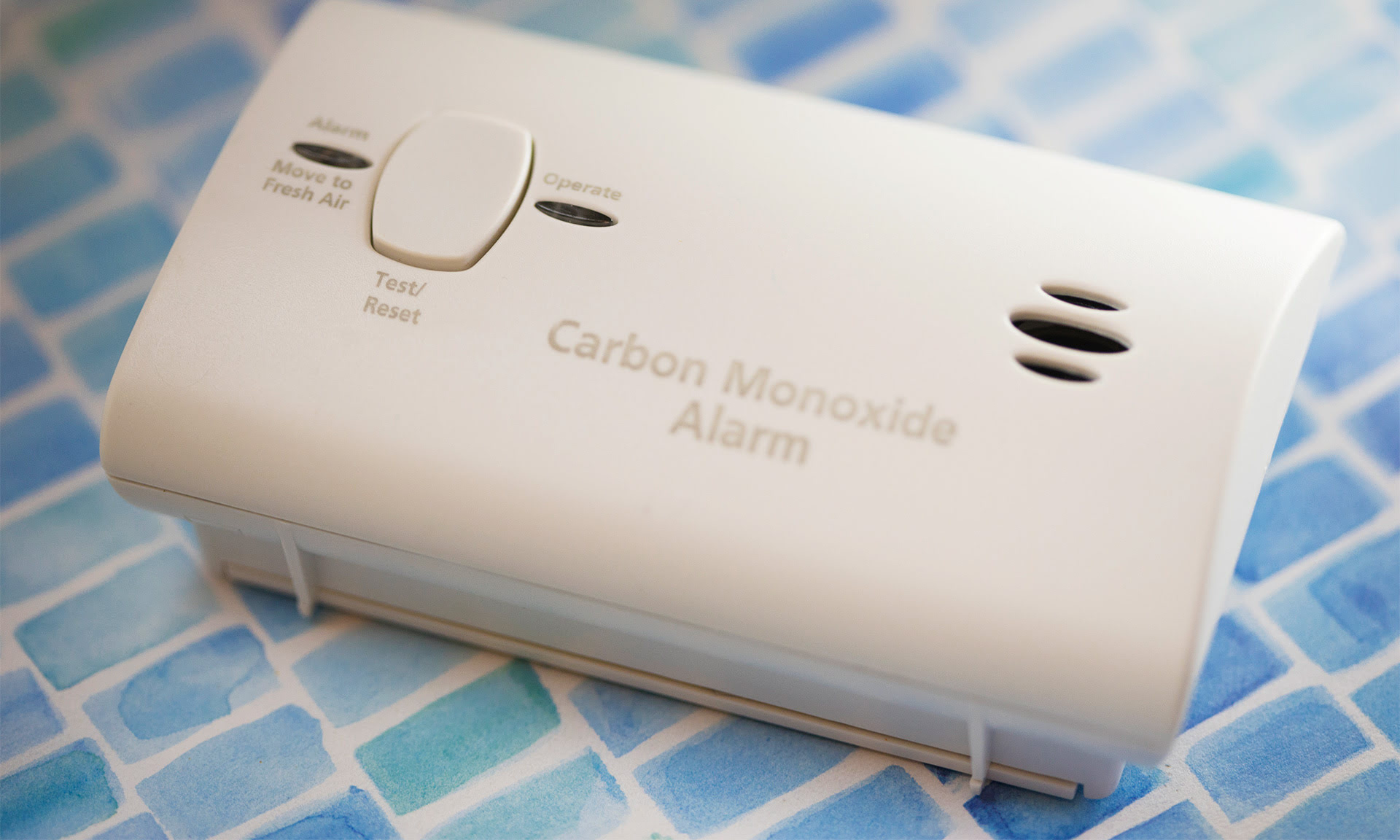
This is where the fun begins! Every single CO detector, whether it's plugged into the wall, battery-operated, or even a fancy smart home gadget, has a test button. Think of it as its "hello, I'm here!" button. Finding it is usually a mini-adventure in itself. It might be a small, unassuming circle, or a slightly raised bump, often labeled "Test" or "Test/Reset."
Must Read
When you press this button, you're not just pushing plastic; you're initiating a small, symphony of safety. What happens next is a cacophony that might make your pet jump, or at least raise an eyebrow. It will likely emit a series of loud, piercing beeps. These aren't polite little chirps; they’re full-throated alarms designed to get your attention! This sudden outburst is, surprisingly, a beautiful sound, because it means the internal circuitry, the little brain of your detector, is alive and well.
My friend, Sarah, once told me about her first time testing hers. "I pressed the button," she laughed, "and our cat, Whiskers, shot off the couch like a rocket! My kids thought it was hilarious. We all stood there, blinking, then I realized, ‘Hey, it works!’ It turned into a funny family memory, all thanks to that noisy little box." See? Even a loud alarm can spark a smile!
The Chirp Heard 'Round the House (The Battery Saga)
If your CO detector is battery-powered, you're probably already familiar with its most common form of communication: the infamous low-battery chirp. This isn't the full-blown alarm; it's a more subdued, yet incredibly persistent, single "chirp" that usually happens every 30 to 60 seconds. It's the sound that usually starts late at night, in the quietest part of your house, echoing like a tiny, insistent ghost.
While it might be annoying when it wakes you from a deep sleep, that chirp is a message of love! It's your detector saying, "Hey, friend! My energy is low, but I'm still trying! Please give me some fresh juice so I can continue my important work." So, when you hear that intermittent chirp, instead of groaning, you can actually give a tiny internal cheer. Your detector is working! It's letting you know it needs a fresh set of batteries to keep doing its job protecting your home and family from that invisible, odorless gas.
.jpg?itok=zwEl3CfV)
"A chirping detector isn't a problem, it's a plea for power – and proof it's still on duty!"
The Unexpected Alarm: A Shocking Reassurance
Occasionally, a CO detector might go off without you pressing the test button or hearing a low-battery warning. This is, understandably, startling. Your heart might do a little jig, and you'll probably wonder what in the world is happening. But here's the surprising, heartwarming twist: even a false alarm (or, more rarely, a genuine but quickly resolved alarm) is a profound confirmation that your device is functioning exactly as it should!

My neighbor, Mark, once had his detector go off while he was baking. He panicked, thinking the worst, only to find out it was a little too much heat and exhaust from his oven, triggering the sensor. "I was a wreck for a minute," he confessed, "but then I realized, wow, that thing is sensitive! It actually works! It was a good scare, but a great reminder that my family is protected."
The main thing to remember is that these devices are our first line of defense against an unseen threat. By simply pressing a button once a month, or responding to its gentle battery plea, you’re not just performing a chore. You’re engaging in a tiny, vital ritual that strengthens the invisible shield around your loved ones. So, go on, give your CO detector a friendly test. You might just find a little bit of fun, and a whole lot of reassurance, in the process!
