
Where Should You Put Carbon Monoxide Detector
There’s nothing quite like the feeling of kicking back in your own home, is there? That sanctuary where you can truly relax, unwind, and feel safe. We spend so much effort making our living spaces comfortable and inviting, from cozy blankets to mood lighting. And part of that comfort, perhaps less glamorous but infinitely more important, comes from knowing you’re protected from the unseen. That’s where our often-overlooked hero, the carbon monoxide detector, steps in. It’s not a gadget you "enjoy" in the traditional sense, but the peace of mind it offers? Absolutely priceless.
The purpose of a carbon monoxide (CO) detector is as critical as it gets: it’s a lifesaver. Carbon monoxide is often called the "silent killer" for a terrifying reason – it's a gas that is colorless, odorless, and tasteless. You can’t see it, smell it, or taste it, making it incredibly insidious. Produced by burning fuels like natural gas, propane, wood, or gasoline, it can leak from faulty furnaces, water heaters, gas stoves, or even car exhaust from an attached garage. When inhaled, CO replaces oxygen in your blood, leading to symptoms like headaches, dizziness, nausea, and eventually unconsciousness and death. A CO detector provides an early warning signal, alerting you to dangerous levels before they can harm you or your family. It’s a simple device that serves an extraordinary purpose: preserving life.
Most of us recognize the importance of these devices, and many homes are equipped with them, often alongside smoke detectors. Common places you might find them are mounted on walls in hallways or near bedrooms. However, the exact placement can sometimes be a bit of a mystery, leading to detectors being installed in less-than-optimal spots, like too close to a drafty window or tucked away behind furniture. While having one is definitely better than none, knowing exactly where to put it can significantly enhance its effectiveness and, ultimately, your safety.
Must Read
So, how can you ensure your CO detector is working as effectively as possible? It’s all about strategic placement. Here are some practical tips to make sure your silent guardian is always on watch:
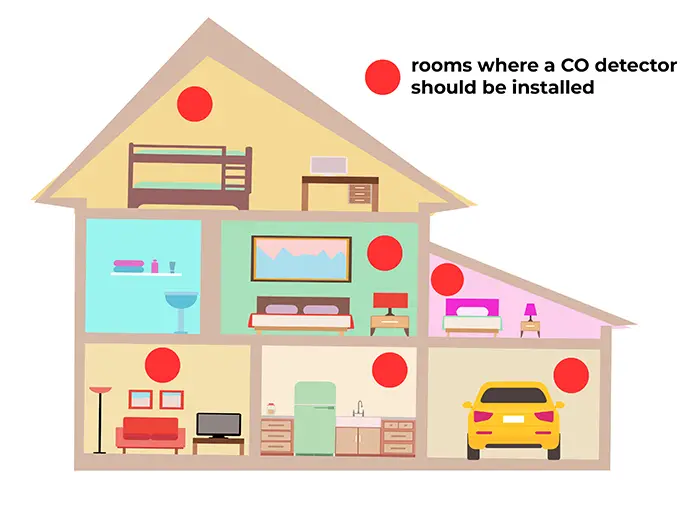
Near Sleeping Areas: This is arguably the most crucial spot. CO poisoning often occurs while people are sleeping and are unaware of the symptoms. Install a detector on the wall or ceiling outside of each separate sleeping area, or within 10 feet of bedroom doors. If you have multiple bedrooms on one floor, consider one for each cluster of rooms.
Where To Put Carbon Monoxide Detector: Your Complete Safety Guide On Every Level of Your Home: Carbon monoxide mixes with air, so it doesn't strictly rise or fall like some gases. To ensure comprehensive coverage, you need at least one CO detector on every level of your home, including the basement.
Near Attached Garages: If your home has an attached garage, it’s wise to place a detector in the room adjoining the garage. Even briefly running a car in a closed garage can cause CO levels to rise and seep into your living space.

Where Should You Put Carbon Monoxide Detectors | Gas Furnace Avoid Certain Spots: To prevent false alarms or impaired function, steer clear of placing detectors:
- Directly over or next to fuel-burning appliances (they might trigger too easily).
- Near vents, fans, or windows, as drafts can interfere with readings.
- In direct sunlight or extremely humid areas (like bathrooms).
- Within 20 feet of furnaces or hot water heaters.
Consider the Height: Manufacturers' instructions vary, but generally, CO detectors should be installed on a wall at least at eye-level, or on the ceiling. Unlike smoke, which rises, CO disperses evenly with air. Avoid placing them on the floor where they could be easily damaged or covered.
Finally, remember to test your CO detectors monthly using the test button and replace batteries annually (unless it's a sealed 10-year unit). Detectors themselves also have a lifespan, typically 5-7 years, so always check the expiration date. Taking these small steps ensures that your home remains the safe, comfortable sanctuary it’s meant to be, guarded by your vigilant, silent hero.
/where-to-place-smoke-detectors-1152485_V2-3c5086adfaa646d69d312b45d342c621.png)
