Do All Apartments Have Carbon Monoxide Detectors

Okay, so picture this: I'm making dinner last week, completely engrossed in trying to perfect my new pasta recipe (spoiler: it was delicious, but that's another story), when suddenly, this loud, incessant chirping starts. My heart jumps into my throat. Naturally, my first thought is, "The smoke detector! Oh no, am I burning down the apartment with my culinary genius?!"
I scramble around, waving a dish towel frantically, only to realize the sound isn't coming from the smoke detector above the stove. Nope. It's that other little white disk thingy on the wall in the hallway. The one I barely notice. You guessed it: the carbon monoxide detector. It wasn't a full-blown alarm, just that annoying "low battery" chirp. But for a split second, that panic was real. And it got me thinking, deeply, about apartment safety.
Specifically, it sparked a question that's probably crossed your mind too, especially if you're apartment hunting or just moved into a new place: do all apartments have carbon monoxide detectors? It seems like a no-brainer, right? Like, shouldn't they just be a given, alongside smoke detectors and a working toilet?
Must Read
Well, my curious friends, the short and not-so-sweet answer is: nope, not necessarily.
It’s a bit of a patchwork quilt out there, honestly. Unlike smoke detectors, which are pretty much universally mandated by building codes across the U.S. (and many other places globally), carbon monoxide detector requirements are a little fuzzier. They often depend on a few key factors:

State and Local Laws (It's a Jungle Out There)
This is the big one. There's no federal law in the United States that requires CO detectors in all residential units. Instead, it’s up to individual states and even specific municipalities to enact their own laws. Some states, like New York, California, and Maryland, have pretty comprehensive laws requiring CO detectors in most residential buildings, especially those with fuel-burning appliances or attached garages.
But then you have other places where the laws are less strict, or only apply to certain types of buildings, or perhaps only buildings constructed after a certain date. This means an older apartment complex might be grandfathered in under older codes that didn't require CO detectors.
What Kind of Appliances Do You Have?
This is another crucial point. Carbon monoxide is produced when fuels like natural gas, propane, oil, kerosene, wood, or charcoal don don't burn completely. So, if your apartment has gas furnaces, gas stoves, gas water heaters, or even a fireplace, the risk of CO poisoning is significantly higher. In many jurisdictions, CO detectors are specifically required for homes with these types of fuel-burning appliances.
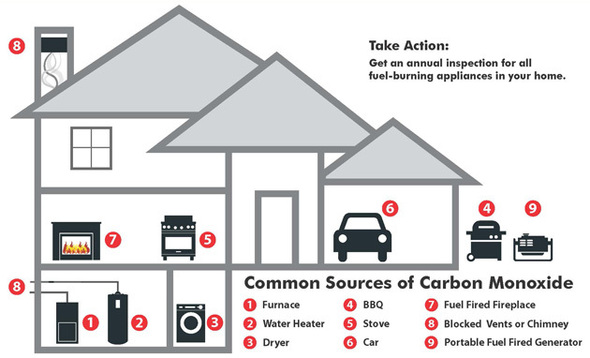
If your apartment is all-electric – no gas appliances at all – the legal requirement for a CO detector might be absent in some areas. However, even in all-electric apartments, CO can still seep in from neighboring units, attached garages, or even faulty outdoor generators used too close to the building. So, an all-electric apartment isn't a get-out-of-jail-free card when it comes to CO safety. Trust me on this one.
Why Does This Even Matter? (The Silent Killer)
You might be thinking, "Okay, so some have them, some don't. Big deal?" Oh, but it is a big deal, my friend. Carbon monoxide is often called the "silent killer" for a terrifying reason: it's colorless, odorless, and tasteless. You can't see it, smell it, or taste it. The symptoms of CO poisoning – headache, dizziness, nausea, fatigue – often mimic the flu, making it incredibly easy to dismiss until it’s too late.

Without a detector, you literally wouldn't know it's there until you're already feeling ill, or worse. And prolonged exposure can lead to serious health problems, brain damage, and even death. Not exactly the cozy apartment living vibe we're aiming for, right?
What Can YOU Do About It?
So, given this somewhat murky landscape, what's a proactive renter to do?
- Ask, Ask, Ask: When you're viewing an apartment, don't just check for closet space. Ask the landlord or leasing agent directly: "Is there a carbon monoxide detector in this unit? Is it a working one?"
- Check for Yourself: Take a look around. They often look like smoke detectors but might be labeled "CO" or "Carbon Monoxide." They're typically found near sleeping areas and on every level of the home.
- Advocate for Yourself: If the apartment doesn't have one and you have gas appliances, bring it up. The landlord might be legally obligated to install one, or at least be willing to for safety reasons.
- Buy Your Own (Seriously, Do It): If all else fails, or even if it doesn't, investing in your own battery-operated or plug-in CO detector is a small price to pay for peace of mind. They're readily available at hardware stores and online for a very reasonable cost. Place it near bedrooms, about knee-to-chest high, and away from windows or vents.
- Test It Regularly: Just like smoke detectors, hit that test button every month! Change the batteries annually if it uses them, and replace the unit entirely every 5-7 years, as the sensors can degrade.
Ultimately, while we might wish every apartment came equipped with every possible safety device, the reality is a bit more nuanced. When it comes to something as potentially deadly as carbon monoxide, your safety is worth taking into your own hands. Don't wait for a law or a landlord; make sure your home is protected.