Imagine a very uninvited guest in your home, one who sneaks in without a sound, a smell, or even a visible footprint. This mysterious visitor is carbon monoxide, often nicknamed the "silent killer" for its utterly undetectable nature by our senses. It’s a sneaky trickster, but thankfully, we have a trusty little sidekick ready to foil its plans.
Meet your home’s very own pint-sized superhero: the carbon monoxide detector. This unassuming device, often just a small box on your wall, is constantly listening, watching, and waiting. It’s the vigilant guardian you never knew you needed, always prepared for action.
Meet Your Home's Tiny Lifesaver
These quiet champions are sometimes confused with smoke detectors, but they have a distinct and crucial mission. Their job is to stand guard against that invisible gas that can silently leak from a cozy fireplace, a hardworking furnace, or even a car idled too long in an attached garage. Without them, we wouldn't have a clue.
Your CO detector isn't high-maintenance; it's a low-fuss hero. It just needs a strategic perch and a bit of encouragement from you now and then to ensure it's always ready for its starring role. Think of it as providing regular pep talks to your tiny sentinel.
The Grand Entrance: Where to Place Your Hero
Placing your CO detector isn't about interior design; it's about smart defense. You'll want at least one on every single level of your home, with extra emphasis on areas near bedrooms. After all, most of us are asleep when CO poses the greatest risk.
Visualize your detector as a super-sensitive nose, constantly sniffing the air for any hint of trouble. It needs an unobstructed view, so avoid tucking it behind heavy curtains or large pieces of furniture. Give your hero a clear line of sight, like a watchtower for your home.
A smart spot is about five feet off the floor, often on a wall. This height positions it perfectly to detect CO, which mixes readily with air, giving it the best chance to catch an early whiff. Avoid placing it too close to fuel-burning appliances or in direct sunlight, which can mess with its sensors.
Consider hallways leading to sleeping areas as prime real estate for these protectors. You might even want one in your living room, especially if you have a gas fireplace, ensuring comprehensive coverage throughout your safe haven. Every strategic placement adds another layer of invisible armor to your home.
Even the toughest superheroes need their regular check-ups and a power boost (usually a battery). This is where your part in the adventure begins: the monthly test button ritual! It's a quick, satisfying moment of active safety.
Once a month, perhaps on the first Saturday when you're enjoying your morning coffee, give that little test button a firm press. It's like sending a coded signal to your hero, asking, "Are you ready?"
What follows is a delightfully loud, often startling, chirpy alarm – a sound that might make your cat launch itself to the ceiling or your dog perform an impressive head tilt. That's your detector proudly announcing, "Affirmative! I'm wide awake and my voice is in perfect working order!"
This monthly sound-off isn’t just a safety check; it’s a tiny domestic performance. Your detector gets to flex its powerful lungs, reassuring everyone that it's diligently on guard, even if it does momentarily disrupt breakfast. It’s a small price for such immense peace of mind.
The Battery "Snack Time"
Many CO detectors rely on trusty batteries, or use them as a vital backup. When that distinctive, incessant low-battery chirp begins, it’s not a phantom noise; it’s your detector politely, yet insistently, asking for its essential energy snack.
This little "I'm hungry!" chirp has a surprising knack for occurring in the quietest hours of the night. It's almost as if your tiny hero waits for perfect stillness to make its urgent plea known, ensuring you can't possibly miss it.
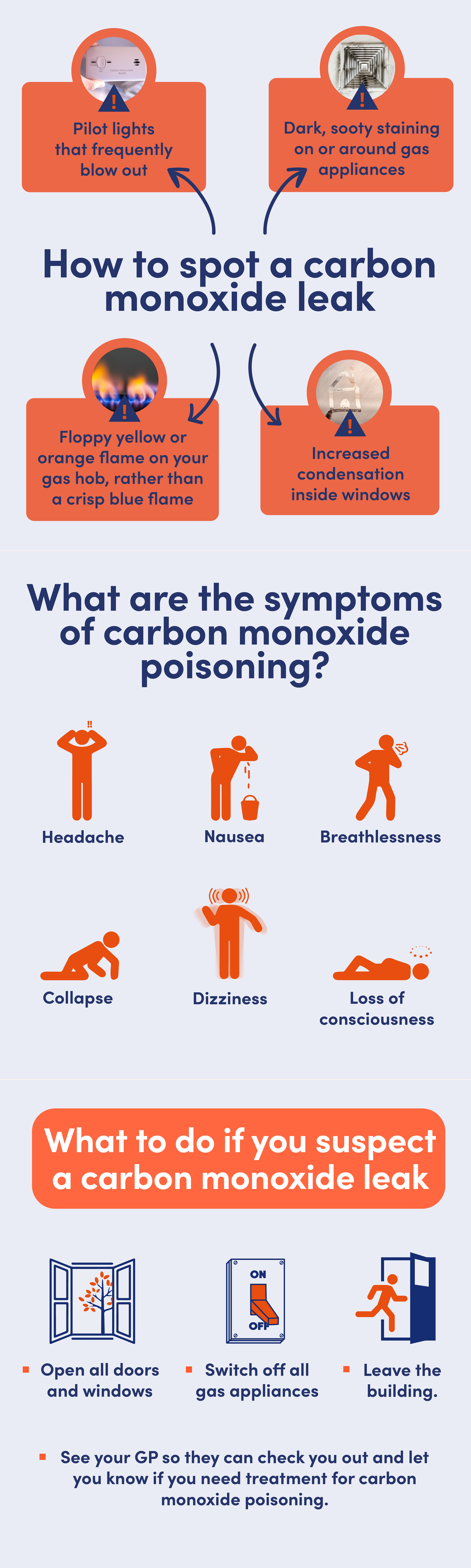
Carbon monoxide poisoning: What are the Symptoms?
Swapping out the battery is a quick, triumphant maneuver, usually involving a small compartment and a fresh 9-volt. You’re literally powering up your hero, giving it the essential lifeblood it needs to continue its unwavering vigilance, a true act of simple, yet profound, heroism.
Make it a fun annual tradition to replace all batteries, perhaps when you adjust your clocks for daylight saving. It's a handy, memorable cue to keep your entire safety brigade fully charged and ready for anything the invisible world throws at them.
The "Retirement Party" for Your Old Guard
Here’s a fact that often surprises people: your CO detector actually has an expiration date! It’s true, these valiant little gadgets don't last forever, typically serving faithfully for about five to seven years. They're not just decorations; they have a limited, but impactful, service life.
It's not that your detector gets lazy or tired; its highly sensitive internal sensors simply become less precise and reliable over time. Think of it like a specialized tool that dulls with age, needing an upgrade to maintain peak performance against the latest sneaky threats. There's no point in having a dull sword against an invisible enemy.
Look carefully on the back of your detector for a manufacturing or specific expiration date. When its dedicated service period is up, take a moment to acknowledge its silent devotion, then gracefully retire it and replace it with a brand-new, eager model. It’s a passing of the guard, ensuring continuous protection.
carbon-monoxide-infographic.png | Poison Control | University of Utah
It can feel a little bittersweet, like saying goodbye to a trusty old friend who guarded your sleep, but you know a fresh, fully calibrated protector is stepping up. This small act of routine replacement is a huge boost to your home's long-term safety plan, keeping the peace for years to come.
The Subtle Nudges: Listening to Your Home and Yourself
While your detector is undoubtedly the star of this safety show, your own body and even your beloved pets can offer surprising clues. Recognizing potential symptoms isn't about fear; it's about paying keen, informed attention to your surroundings.
Imagine feeling a bit "off" – perhaps a persistent headache, a wave of dizziness, or just a general sense of fatigue or nausea. These can be surprisingly vague and easily dismissed signs that something invisible might be amiss in the air you're breathing. It’s like your body sending out a faint, internal warning signal.
A classic, telling sign is if multiple family members experience these same symptoms simultaneously, especially when inside the house. Then, almost like magic, everyone starts feeling noticeably better the moment they step outside into the fresh air. This is a massive, unmistakable hint that your indoor environment needs investigation.
Don't forget your furry family members, either! Animals, particularly smaller ones like birds, hamsters, or even cats and dogs, can sometimes show signs of CO poisoning even before humans do. Your beloved pet could unwittingly become a tiny, fur-covered early warning system, a real-life canary in a coal mine.
If you, your family, or your cherished pets ever feel inexplicably unwell indoors, and those symptoms mysteriously vanish or improve when you're outdoors, consider it a gigantic, flashing red flag. Always trust your intuition, and more importantly, your CO detector.
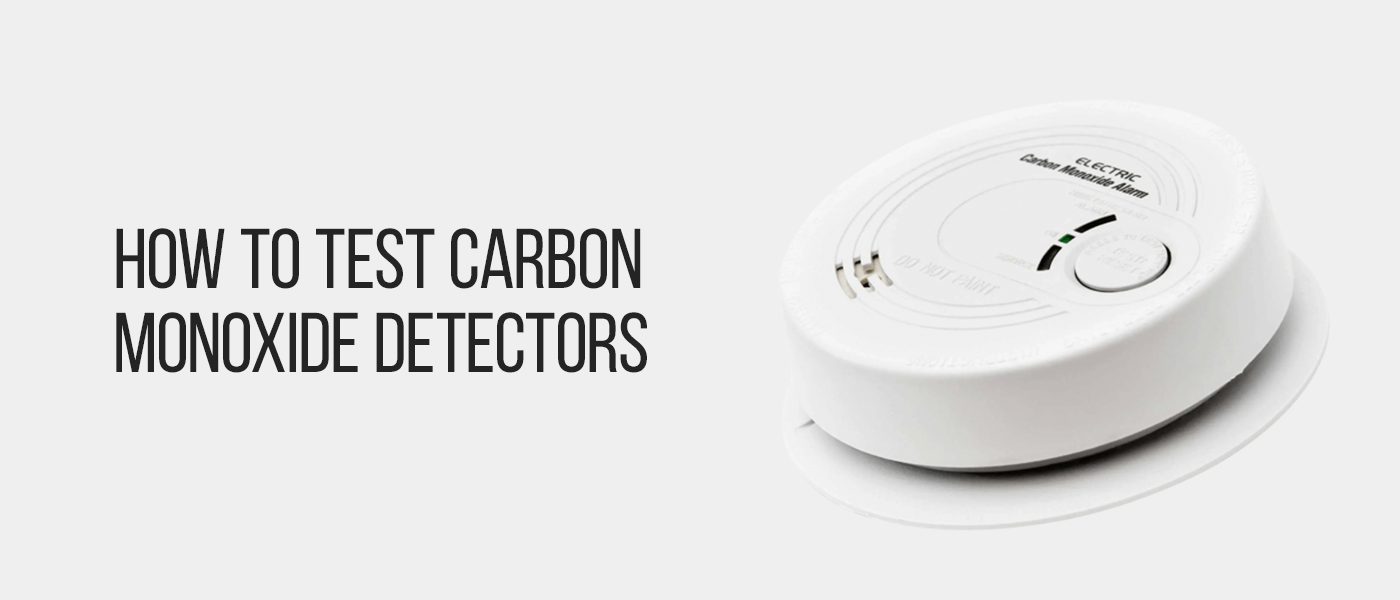
How to Test Carbon Monoxide Detectors
Should your detector ever erupt into its full, unmistakable, urgent siren call, that is its ultimate, undeniable warning. Do not hesitate, do not second-guess; gather everyone, including all pets, and evacuate the house immediately. This is the moment your hero has trained for, and its message is crystal clear.
It's a moment of serious, swift action, but the profound peace of mind that comes from knowing your diligent detector is there to raise that vital alarm is immeasurable. It's a tiny device with an incredibly mighty, life-saving voice, a testament to simple technology protecting complex lives.
The Warm Hug of Safety
Checking for carbon monoxide poisoning isn't a dreary chore; it's a profound, loving act of care for your most cherished space and the people within it. It’s about giving a small, plastic gadget the power to perform monumental feats, ensuring your home remains a sanctuary.
Every monthly test, every annual battery swap, every thoughtful placement – these are all small, deliberate gestures. Individually, they seem minor, but together, they weave a robust tapestry of monumental safety around your entire household. It's truly a silent, yet powerful, embrace for everyone you love.
So, the next time your eyes fall upon that modest box on your wall or shelf, offer it a silent nod of heartfelt appreciation. It’s your ever-watchful, unsung hero, tirelessly guarding your most precious moments, allowing you to live freely and without worry. It’s a quiet promise kept, day in and day out.
Remember, a home that feels safe is a home that truly allows happiness to flourish, filled with genuine laughter, comforting warmth, and the quiet, unwavering reassurance that your tiny detector is perpetually standing guard. It's more than just a device; it’s a continuous, heartwarming story of protection, unfolding daily in countless homes, bringing joy and peace to all.