How High Should A Carbon Monoxide Detector Be
.jpg?format=2500w)
Ever found yourself staring up at a wall, a little device blinking back at you, and wondering, "Is that in the right spot?" We’re not talking about your latest art installation here, but something far more crucial: your carbon monoxide (CO) detector. This unassuming gadget is your home's silent guardian, a true MVP in the world of household safety. But like a perfectly placed selfie, location is everything. Let's unmask the mystery of where this lifesaver truly belongs, no stress, just smart living.
Understanding the Invisible Threat
First, a quick refresher on why we even bother with these detectors. Carbon monoxide is often called the "silent killer", and for good reason. It’s colorless, odorless, and tasteless – essentially a ninja gas that you'd never know was lurking until it's too late. It’s produced when fuels like gas, oil, wood, or charcoal don't burn completely, which can happen with faulty furnaces, leaky chimneys, or even a barbecue too close to the house. The good news? Your CO detector is specifically designed to sniff it out, long before you or your loved ones feel a thing.
So, Where Does This Invisible Ninja Hang Out?
Unlike smoke, which tends to rise, carbon monoxide is a bit of an equalizer. It actually mixes evenly with the air. Think of it like a dash of salt in water – it disperses throughout. This is a crucial distinction from smoke detectors, which we often place high up near the ceiling. Because CO mixes, its density is very similar to air, so it doesn't just float to the ceiling or hug the floor. This means you don't need to put your CO detector right at ceiling height or directly on the floor.
Must Read
The general wisdom, supported by safety experts and manufacturers alike, suggests installing CO detectors at a height that’s comfortable for you to see and maintain, typically around eye-level or chest-level. This often means about 5 feet from the floor, but anywhere between knee-height and ceiling-height is generally acceptable, as long as it's not obstructed. The key is that it's in a location where the air can freely circulate around it.
Top Tips for Optimal Placement
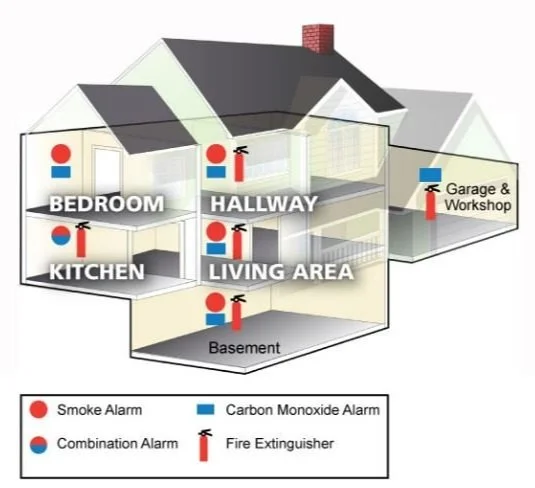
- Near Bedrooms: This is non-negotiable! CO exposure is most dangerous when you're asleep, as you might not wake up to the symptoms. Place a detector in the hallway outside sleeping areas, or ideally, in each individual bedroom.
- On Every Level: If your home has multiple stories, you should have at least one CO detector on every level of your home, including the basement. More is always better when it comes to safety!
- Living Areas: Consider placing one in common areas like the living room or family room, especially if you have a fireplace or other fuel-burning appliances there.
Where NOT to Put Your CO Detector
Just as important as where to put it, is where not to. Avoid these spots to ensure your detector is working at its peak:

- Too Close to Fuel-Burning Appliances: While you want it to detect CO, placing it right next to a furnace, water heater, or fireplace can lead to false alarms due from small, temporary puffs of CO during startup. Keep it at least 15-20 feet away.
- In Direct Sunlight or Near Heat Sources: Extreme temperatures can affect the sensor's accuracy.
- In Very Humid Areas: Steamy bathrooms or kitchens can also mess with the readings.
- Near Vents or Fans: Strong air currents can prevent CO from reaching the sensor properly.
- Behind Curtains or Furniture: Any obstruction will hinder its ability to sample the air effectively.
Beyond Placement: Keeping Your Guard Up
Placing your CO detector perfectly is a great start, but the journey doesn't end there! These little heroes need some love and attention too.
- Test Regularly: Just like you test your smoke detectors, give your CO detector a quick button press at least once a month. Think of it as a little "hello, are you there?"
- Battery Check: If your detector is battery-powered, swap those batteries out twice a year. A good trick? Do it when you change your clocks for Daylight Saving Time – spring forward, fall back, and battery swap!
- Know the Lifespan: CO detectors don't last forever. Most have a lifespan of 5-7 years (check the manufacturer's date on the back). After that, the sensor starts to lose its effectiveness. It's like replacing an old pair of sneakers – you wouldn't run a marathon in worn-out kicks, right?
Your Home, Your Haven
Ultimately, investing a little time and thought into where and how you maintain your carbon monoxide detectors is a small effort for a huge payoff: peace of mind. Your home should be a sanctuary, a place where you can relax, recharge, and feel completely safe. By understanding these simple guidelines, you’re not just installing a gadget; you’re building an invisible shield for your loved ones. So go ahead, check those detectors, make those adjustments, and rest easy knowing you've got one more crucial item ticked off your smart living list. Cheers to safe and happy homes!