
Where Should I Place A Carbon Monoxide Detector

Ever wonder about the quiet guardians in your home? One often-overlooked champion is the carbon monoxide (CO) detector. Deciding where to place this life-saving device might seem like a small detail, but it’s a crucial puzzle piece for home safety, offering immense peace of mind. Learning about it isn't just a chore; it’s an empowering act of care, equipping you with vital knowledge for a truly secure home. It’s like a little secret superpower for keeping your household safe – intriguing, right?
So, what exactly does this guardian do? Carbon monoxide, chillingly known as the "silent killer," is a colorless, odorless, and tasteless gas. It's produced by incompletely burned fuels from common household appliances like furnaces, gas stoves, water heaters, or fireplaces. Even a running car in an attached garage can be a source. The danger lies in its stealth; you can't detect it without help, meaning symptoms of poisoning might be your first clue. This is where your CO detector steps in. Its sole purpose is to sense even small amounts of CO in the air and sound a loud alarm, providing crucial time to evacuate. The benefit is unequivocally life-saving, preventing severe illness, brain damage, and even death. It's your vital early warning system against an invisible menace.
Understanding proper placement isn't just theoretical; it's a practical skill directly impacting your daily safety. Imagine a chilly winter evening, your furnace diligently working, perhaps a fireplace lit. In such moments, knowing your detectors are correctly placed offers immense reassurance. This is a fundamental part of responsible home safety, often covered in health education or home economics classes. It elevates beyond just "having" a detector to optimizing its protective power. This knowledge empowers you to confidently safeguard your own home or even offer sound advice to friends and family, ensuring everyone benefits from this simple, yet profound, safety measure.
Must Read
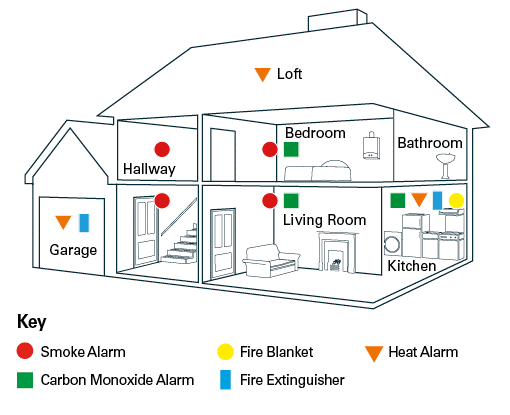
Ready to become a CO placement pro? Let's dive in! Firstly, and most importantly, install a detector on every level of your home, including occupied basements. Placing them near sleeping areas is critical, as you're most vulnerable while asleep; ensure they're within earshot. Secondly, position detectors near, but not directly beside, fuel-burning appliances like furnaces or water heaters. Avoid placing them right over stoves or too close to supply vents, as steam or direct exhaust can cause false alarms or reduce accuracy. Give them a little breathing room to do their job properly.
For height, a good rule of thumb is at chest level or higher on a wall, or on the ceiling – but always double-check your specific detector's instructions. Avoid placing them in corners, behind large furniture, or near windows or exterior doors, as these spots can interfere with proper airflow and detector accuracy. Finally, once installed, remember to test your detectors monthly using the test button, replace batteries annually, and replace the entire unit every 5-7 years, as the sensors inside degrade over time. By following these simple guidelines, you're not just installing a device; you're strategically deploying a vigilant guardian, ensuring your home remains a safe and healthy haven for everyone inside.

/where-to-place-smoke-detectors-1152485_V2-3c5086adfaa646d69d312b45d342c621.png)
