
How Do Portable Fire Extinguishers Stop A Fire
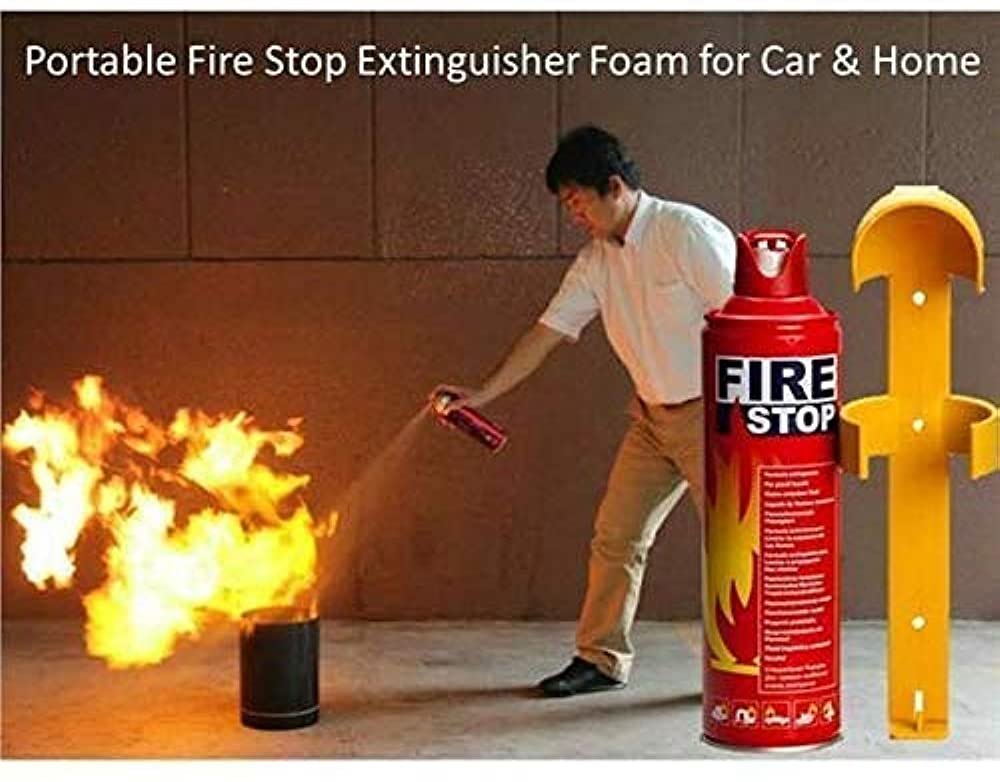
Ever walked past one of those bright red cylinders on a wall, perhaps in a coffee shop or your office hallway, and vaguely thought, "Huh, wonder what that's for?" Well, today, we're pulling back the curtain on those trusty guardians. Portable fire extinguishers aren't just for emergencies in action movies; they're everyday heroes designed to nip small fires in the bud, giving us that invaluable peace of mind. And the science behind how they do it? Surprisingly cool and super effective!
At its heart, understanding how an extinguisher works means understanding fire itself. Imagine a perfect little triangle, because that's essentially what fire needs to thrive: heat, fuel, and oxygen. Remove just one side of this fire triangle, and poof, the party's over! This simple concept is the secret sauce behind every portable fire extinguisher.
Attacking the Fire Triangle: The Extinguisher's Strategy
Different extinguishers employ different tactics, but they all aim to break one or more sides of that fire triangle.
Must Read
1. Cooling Down the Heat: The Water (or Foam) Approach
Think about a campfire. What's the fastest way to put it out? A bucket of water! Many extinguishers, especially those rated for Class A fires (involving ordinary combustibles like wood, paper, or fabric), work by simply dousing the flames with water or a water-based foam. Their main goal? To remove heat from the equation. When the fire gets too cold, it simply can't sustain itself. It’s like telling the fire, "Hey, your hot streak is over!"
Fun Fact: The earliest known portable fire extinguisher was patented in England in 1723 by Ambrose Godfrey, a chemist. It used a solution of water and alum, contained in a cask with a pewter chamber of gunpowder, which would explode and disperse the liquid. Talk about an original!
2. Suffocating the Oxygen: The CO2 and Dry Chemical Method
Ever seen a candle go out when you put a glass over it? That's exactly what some extinguishers do. Carbon Dioxide (CO2) extinguishers, often found near electrical equipment or in kitchens, release a cloud of CO2 gas. This heavy gas creates a barrier, effectively displacing the oxygen around the fire. No oxygen, no combustion! Similarly, some dry chemical extinguishers use a fine powder that coats the fuel, creating a barrier between it and the air, thereby starve the fire of oxygen. It's like pulling a blanket over a fire—it can't breathe!

3. Breaking the Chain: The Chemical Reaction Interruption
This is where things get a bit more high-tech. Certain dry chemical extinguishers, particularly those with ABC ratings, don't just smother the fire; they actually get in the middle of the chemical reaction that keeps the fire going. They release chemicals that interfere with the free radicals in the flame, essentially disrupting the propagation of the fire. It’s like being a referee and calling a halt to the combustion process, interrupting the chemical chain reaction that keeps the fire alive. Pretty neat, right?
Practical Tip: Always make sure your extinguisher matches the potential fire type in your home. A Class A extinguisher for paper, a Class B for flammable liquids, Class C for electrical, and Class K for cooking oils. Most homes benefit from a multi-purpose ABC dry chemical extinguisher, which handles common fire types.
Using Your Hero: The P.A.S.S. Method
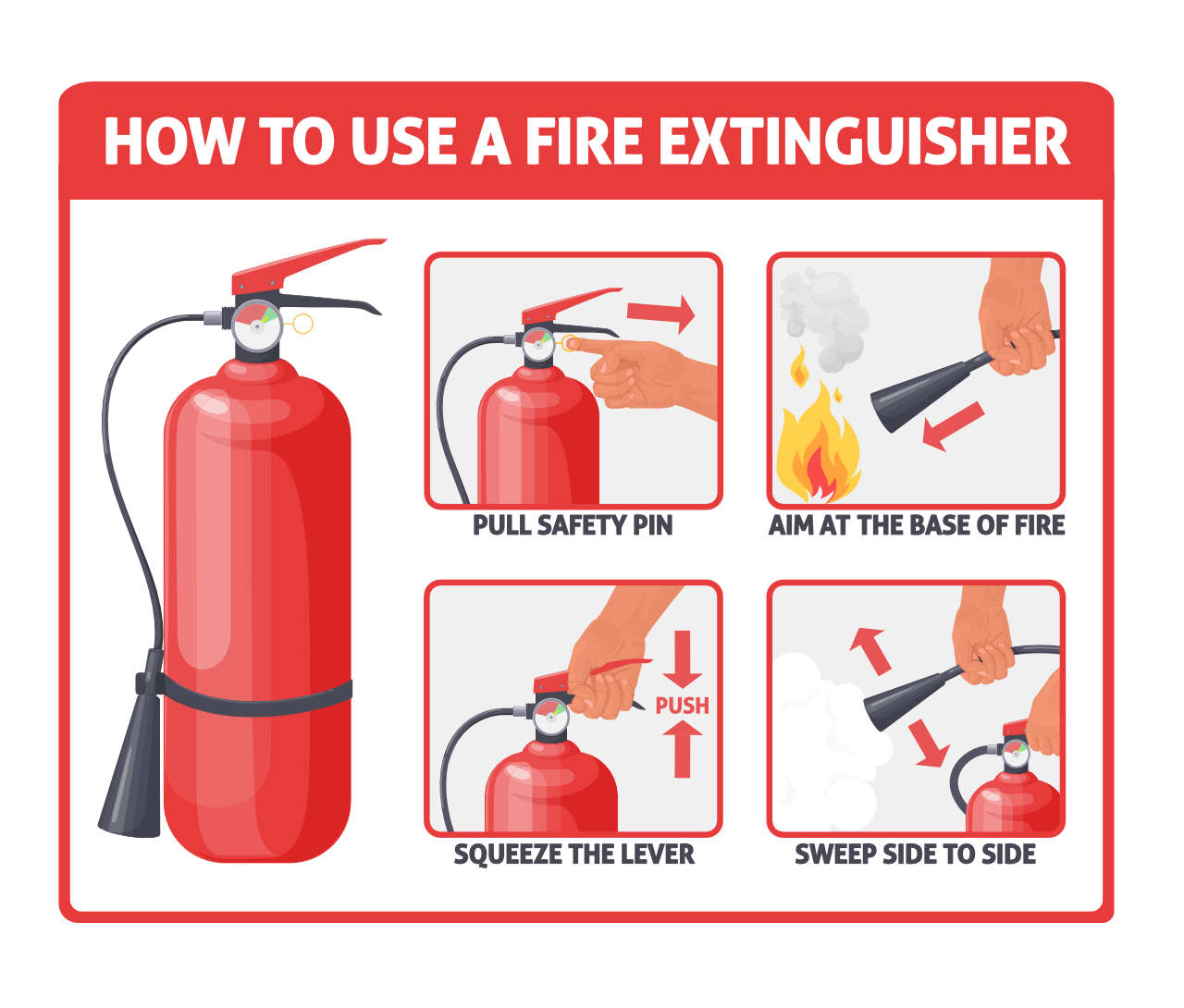
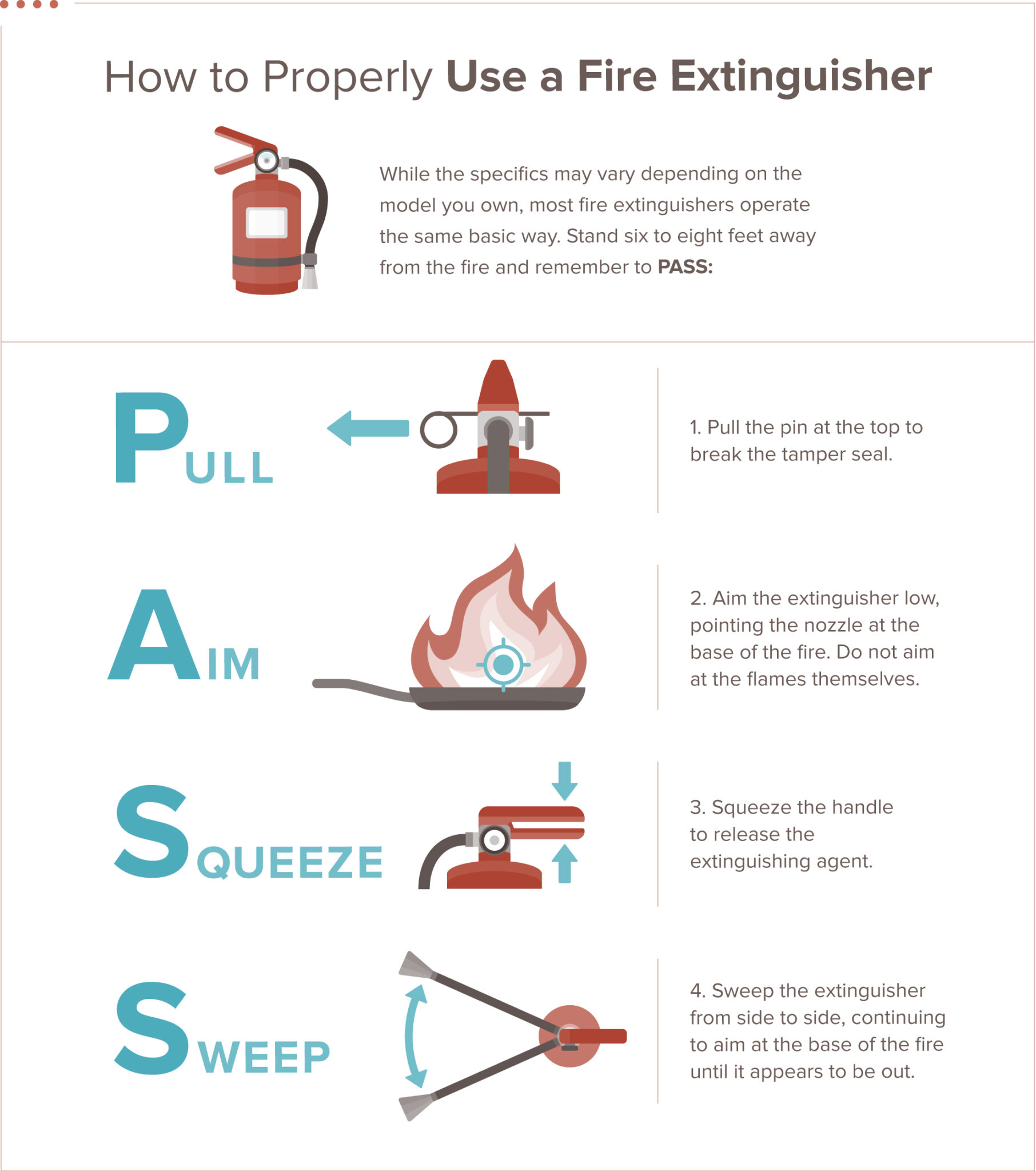
Knowing how they work is one thing, but knowing how to use one is crucial. Most extinguishers come with simple instructions, often summarized by the acronym P.A.S.S. method:
- Pull the pin.
- Aim the nozzle at the base of the fire.
- Squeeze the handle.
- Sweep from side to side.
Remember, these are for small, contained fires. If a fire is growing, spreading rapidly, or producing too much smoke, your best bet is always to get out and call for help. Safety first, always!
Cultural Nudge: Just like we practice fire drills in schools and workplaces, it's a good idea to know where your home extinguishers are and how to use them. It's a small step that makes a big difference.
Peace of Mind in Your Pocket (Well, On Your Wall)
So, the next time you spot one of those red cylinders, you'll know it's not just a decorative item. It’s a carefully engineered device, ready to break the fire triangle by removing heat, starving oxygen, or disrupting the chemical reaction. It’s a testament to human ingenuity in keeping us safe.
Having a portable fire extinguisher readily available, properly maintained, and knowing its basic operation isn't about paranoia; it's about preparedness. It's about empowering yourself with the ability to handle a minor mishap before it escalates into a major catastrophe. It's about giving yourself and your loved ones that priceless peace of mind in your daily life, knowing you're a step ahead, ready to extinguish not just flames, but also potential worries.