
Do Apartments Have Carbon Monoxide Detectors

Okay, picture this: You’ve just moved into a new apartment. Boxes everywhere, the faint smell of fresh paint (or maybe stale pizza from the last tenant, let’s be real), and that glorious feeling of new beginnings. You’re setting up your Wi-Fi, figuring out which light switch does what, maybe even contemplating how you’re going to arrange your tiny collection of houseplants. And then, somewhere between trying to assemble an IKEA bookshelf and realizing you forgot to buy a shower curtain, a thought might just casually drift into your mind:
“Wait a minute. I know there’s a smoke detector because that thing practically shrieked at me when I tried to make toast this morning (oops). But… what about carbon monoxide?”
And if that thought hasn't crossed your mind, well, congratulations, you’re human! It’s one of those things we often don't think about until, well, we have to. But it's a pretty important one, wouldn't you say? Especially when we're talking about something as sneaky as carbon monoxide (CO).
Must Read
The Great Apartment Carbon Monoxide Detector Mystery!
So, do apartments actually have carbon monoxide detectors? The short answer, my curious friend, is a resounding and slightly unsatisfying: it depends. I know, I know. Not the clear-cut answer we all crave in this age of instant gratification, right?
Let's unpack this a bit, shall we? Because while smoke detectors are pretty much a given in most places now (and thank goodness for that, even if they're a bit dramatic about burnt popcorn), CO detectors are a slightly different beast.
Why the "It Depends"?
Mostly, it boils down to a few key factors:

1. State and Local Laws: This is the big kahuna. Many states and municipalities have caught on to the dangers of CO and now mandate detectors in rental properties, especially if there's a fuel-burning appliance or an attached garage. For example, some places require them in all new construction, or when a property changes hands, or even just across the board for all rental units.
2. The Age of Your Building: If your apartment building was constructed way back when dinosaurs roamed the earth (or, you know, before CO detector laws were widespread), it might be "grandfathered in." This means it might not be legally required to have them unless a significant renovation has occurred or specific local laws have been updated to cover older buildings.
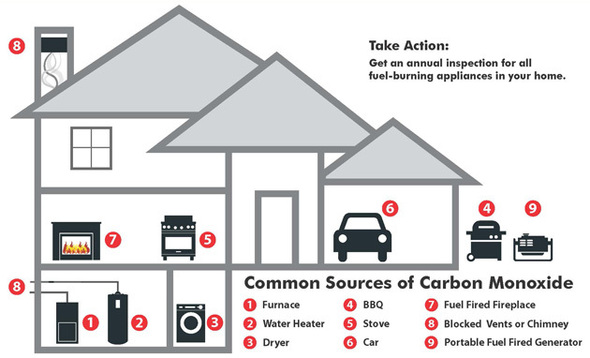
3. Fuel-Burning Appliances and Attached Garages: Does your apartment have a gas stove, a gas furnace, a gas water heater, or maybe even a wood-burning fireplace (fancy you!)? Or perhaps it’s above or attached to a garage where vehicles might idle? If any of these are present, the risk of CO exposure goes up significantly, and therefore, the likelihood of a required detector usually does too.
4. Your Landlord's Diligence (and Niceness): Let's be real, some landlords are just on top of things. They prioritize safety, know the laws inside and out, and genuinely want their tenants to be safe. Others… well, let's just say they might need a gentle nudge. Even if it's not strictly required by law, a proactive landlord might install one anyway because, hey, it's just good sense.
Why Carbon Monoxide is Such a Sneaky Little Devil
You see, carbon monoxide is often called the silent killer for a reason. It’s colorless, odorless, and tasteless. You literally cannot detect it with your senses. CO poisoning can cause flu-like symptoms – headaches, dizziness, nausea, fatigue – which makes it incredibly easy to mistake for a common cold or just being "a bit under the weather." But without intervention, it can lead to unconsciousness, brain damage, and even death. Pretty scary stuff, right?
So, What Should You Do About It?
Don't just sit there wondering, my friend! Here’s your action plan:

1. Look for One: When you move into a new place, or even if you've been in your current spot for a while, take a moment to look around. CO detectors often look similar to smoke detectors, but they might be labeled. Some are plug-in units, others are battery-operated and mounted on a wall or ceiling.
2. Ask Your Landlord (Politly!): If you don't see one, or you're just unsure, ask your landlord directly. A simple, "Hey, just checking, do we have carbon monoxide detectors in the apartment?" is perfectly reasonable. It shows you're safety-conscious, and a good landlord will appreciate that.
3. Know Your Rights: A quick search for "carbon monoxide detector laws [your city/state]" can give you some useful info. Knowledge is power, right?

4. Consider Buying Your Own: Even if your landlord says it’s not required or doesn't provide one, a plug-in or battery-operated CO detector is a relatively inexpensive investment for peace of mind. You can often find combination smoke/CO detectors, which are super handy. This is one of those times where being a little extra about safety totally pays off.
5. Test It Regularly: Just like your smoke detector, push that test button every month! Make sure those batteries are fresh.
In the end, while apartment living comes with its own quirks and sometimes a bit of mystery, your safety shouldn't be one of them. Take a moment, check around, ask questions. Because when it comes to something as serious as carbon monoxide, being prepared is the coolest thing you can do.