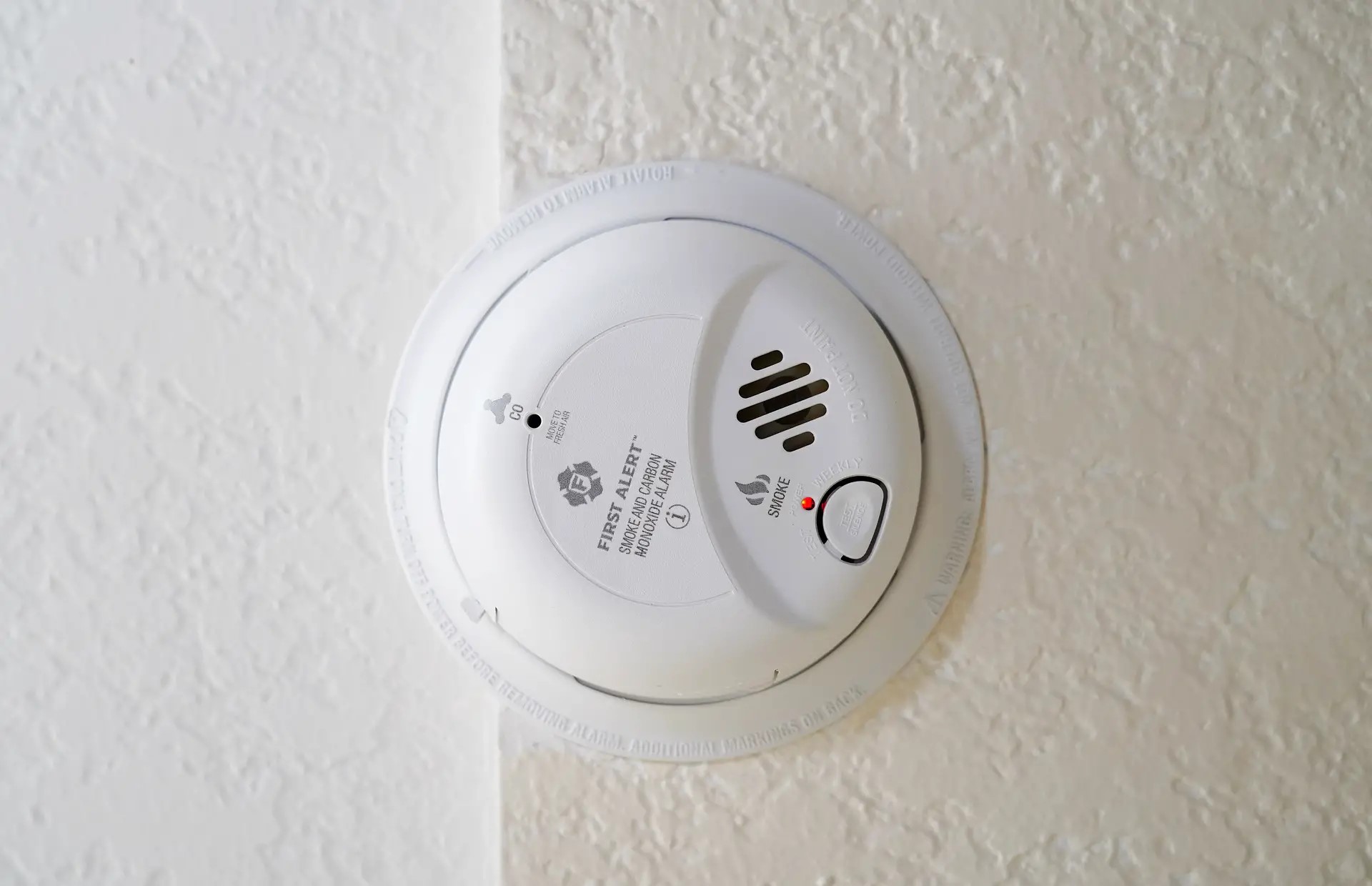
Red Light Blinking On Carbon Monoxide Detector

Ever noticed a little red light blinking on your carbon monoxide (CO) detector and wondered, "What's going on with that thing?" You're not alone! While it might seem like a mysterious signal from a silent guardian, understanding this little blink is actually super important and incredibly useful. It’s not just a random flash; it’s your home’s way of talking to you, keeping you and your loved ones safe from an invisible danger. Demystifying these signals gives you peace of mind and makes you a more empowered homeowner or renter.
So, who benefits from knowing what that blinking red light means? Pretty much everyone! For beginners, perhaps someone living alone for the first time or a new renter, understanding this device is fundamental home safety 101. It helps you recognize a potential threat before it becomes a problem. For families, especially those with young children or elderly members, being able to quickly interpret the detector’s signals can be the difference-maker in an emergency. You’re not just protecting property; you’re safeguarding lives. Even for the general homeowner or anyone keen on smart home management, a solid grasp of your detector's language means you’re on top of your home's health and security, ensuring your living space is always a safe haven.
The fascinating thing about these blinking lights is that they often have different meanings. Most CO detectors will have a red LED that blinks slowly, maybe once every 30-60 seconds. This is typically a normal operation indicator – basically, the detector saying, "I'm on, I'm working, all good!" Think of it as its little heartbeat. However, if that red light starts blinking rapidly, usually accompanied by a loud alarm sound, that’s a whole different story. This usually signifies the presence of carbon monoxide and means you need to take immediate action. Other variations might include a red light blinking in a specific pattern to indicate a low battery (often paired with a chirp) or a fault with the unit itself, signaling it might be time for a replacement. Some detectors also integrate with smoke alarms, offering combined protection.
Must Read
Ready for some simple, practical tips to get started and stay safe? First, always know what your specific detector's lights mean by checking its user manual – a quick Google search with the model number usually works wonders! If your detector is blinking rapidly and sounding an alarm, act immediately: get everyone out of the house into fresh air, and call your local emergency services (like 911 in the US). Do not re-enter until authorities say it's safe. If it's chirping and blinking slowly for a low battery, simply replace the batteries. Test your CO detector monthly by pressing the "test" button to ensure it’s functioning properly. Finally, remember that CO detectors don't last forever; most need to be replaced every 5-7 years. There's usually an expiration date on the back of the unit.
In a nutshell, that little red light on your carbon monoxide detector isn't just a decoration; it's a vital communicator. Taking a moment to understand its language gives you incredible peace of mind and equips you with the knowledge to keep your home and everyone in it safe. It’s a small effort for a truly invaluable return.