How Do You Turn Off Hard Wired Smoke Detectors
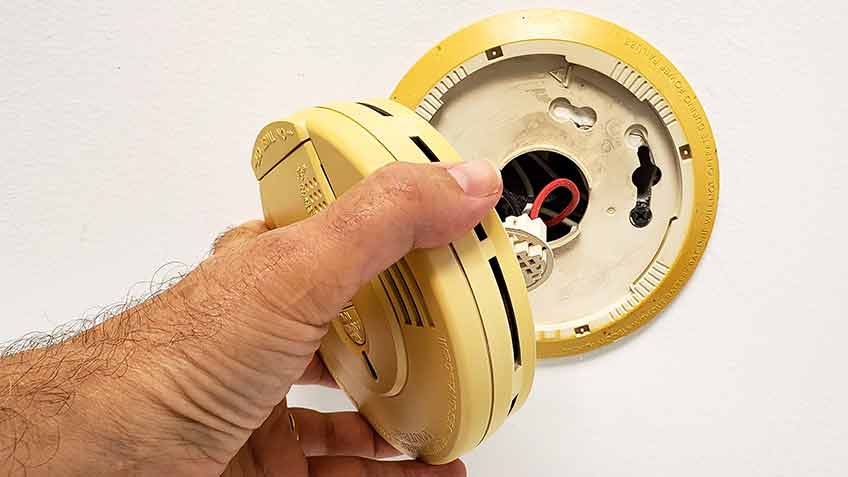
That insistent, high-pitched chirp, chirp, chirp that signals a smoke detector in distress is a classic symphony of the modern home. It's not always the battery-powered ones; sometimes, their more robust cousins – the hard-wired smoke detectors – join the cacophony. Learning how to politely, yet firmly, tell these guardians of your home to take a break isn't just a party trick; it's a genuine sanity saver and a valuable piece of homeowner know-how!
This topic might seem niche, but it's incredibly useful for everyone. For beginners or new homeowners, understanding your home's systems demystifies those sudden alarms and helps you avoid panic. For families, it means quickly silencing a false alarm from overcooked dinner without evacuating the entire house (and waking the baby!). Even for the proactive homeowner, knowing how to temporarily power down a unit for cleaning or replacement is empowering. It’s all about being prepared and taking control, rather than just reacting to that shrill alarm.
So, why would a hard-wired detector suddenly start fussing? It’s not always smoke! Common culprits include steam from a steamy shower, dust buildup in the sensor, or even a spider deciding to make a home inside. Sometimes, it's simply a low backup battery, even in a hard-wired unit, that causes the incessant chirping. Other times, you might need to silence a unit for replacement, or perhaps you've just perfectly charred a piece of toast and need a momentary reprieve. Understanding these scenarios helps you decide the best course of action, whether it's a quick reset or a temporary power down.
Must Read
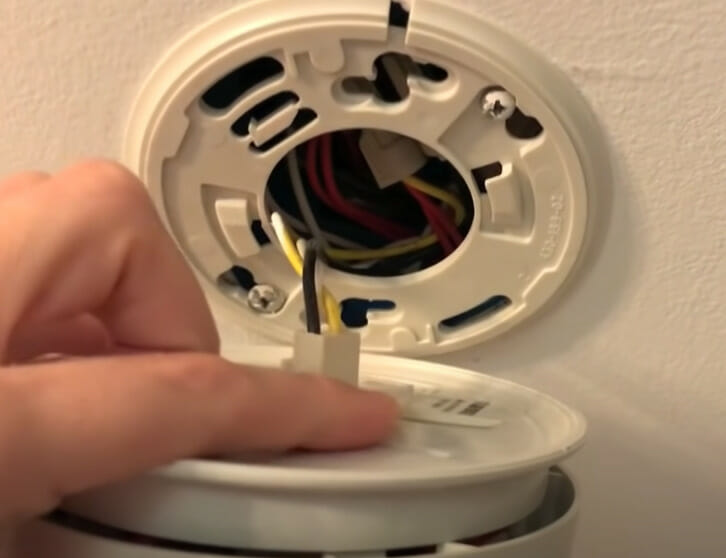
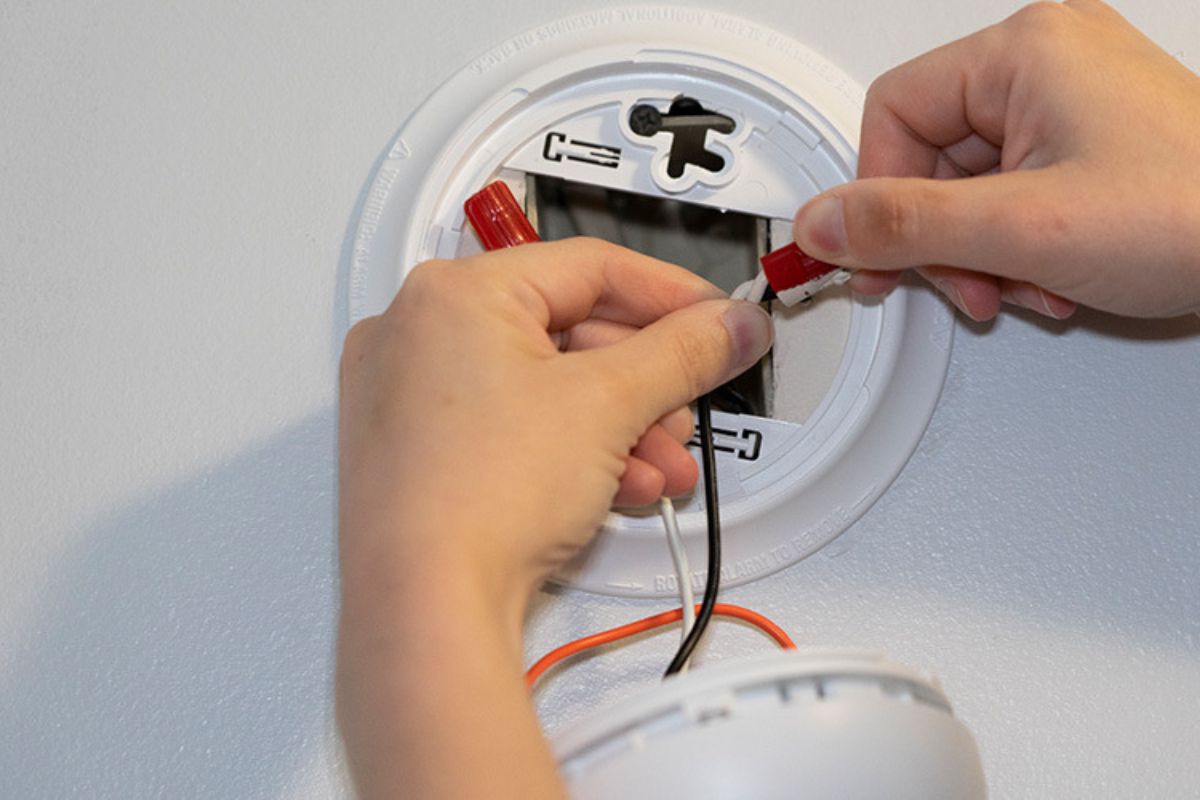
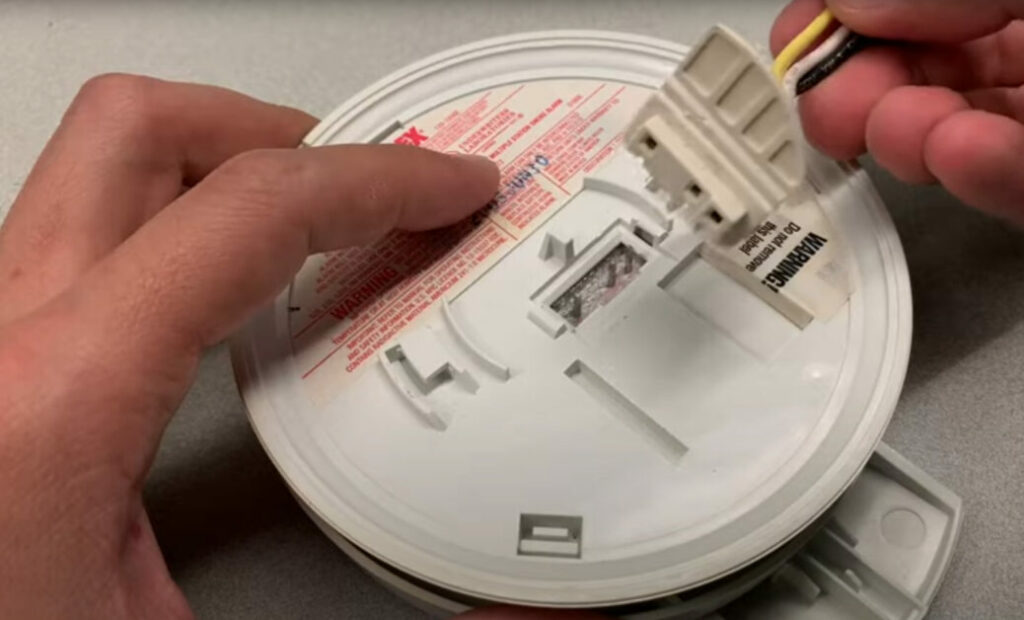
Ready to reclaim peace and quiet? Here are some simple, practical tips. First, identify the specific detector that's sounding the alarm. If chirping due to a low backup battery (which most hard-wired units have), the quickest fix is often to replace that battery. You'll usually find a small compartment on the detector for a 9V or AA battery pack. Next, look for a "test/hush" button on the unit itself. Pressing and holding this button for a few seconds can often silence a false alarm temporarily. If it's a more persistent issue, or you need to fully power it down, you'll need to head to your electrical panel. Locate the circuit breaker that controls your smoke detectors (it's often labeled "smoke detectors" or might be combined with lighting circuits). Flip that breaker OFF. This cuts the main power to the unit. After about 30 seconds, flip it back ON. This acts as a hard reset. Always be cautious around electrical panels and ensure you're turning off the correct breaker.
Ultimately, learning these few steps can transform you from a frantic alarm-responder to a calm, capable homeowner. There’s a certain satisfaction in silencing that irritating chirp, knowing you’ve brought peace back to your domain. While we certainly don't advocate permanently disabling safety devices, knowing how to temporarily manage them in a pinch is a skill worth having. It’s about balance: maintaining safety while also maintaining your sanity. Enjoy the quiet!