
Where Do You Mount A Carbon Monoxide Detector
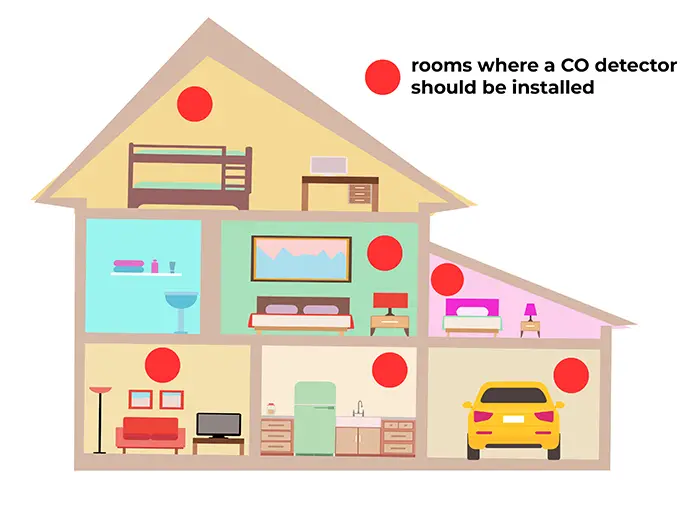
Alright, let's chat about something super important, but often gets stuck in the "I'll get to it later" pile: your carbon monoxide (CO) detector. We all know it's a good idea to have one, like knowing you should eat your veggies or call your mom. But when it comes to where to actually put that little life-saver, things can get a bit hazy, right?
Think of your CO detector as a tiny, vigilant superhero. It’s got one job: sniffing out a silent, invisible villain – carbon monoxide. This gas is a real sneaky Pete. It’s colorless, odorless, and tasteless, making it practically impossible for our human noses to detect. It's like a ninja ghost, but way less cool and way more dangerous. So, where does your superhero sidekick stand guard?
Why Placement Is Your Detector's Superpower
You wouldn't put a guard dog in the backyard if the danger was in the living room, would you? Same goes for your CO detector. Its placement isn't just a suggestion; it’s key to its effectiveness. A poorly placed detector is like a lifeguard reading a book under a palm tree – not much help when you need it most!
Must Read
The main goal? To catch CO before it can do any harm, especially when you're at your most vulnerable. And when are we most vulnerable? Usually, when we’re wrapped up in dreamland, chasing invisible butterflies or winning imaginary gold medals.
The Golden Rule: Near Your Sleepy Heads
This is the biggie, folks. The absolute, non-negotiable, put-it-at-the-top-of-your-list rule is to have a CO detector near every sleeping area. Imagine your detector as a little guardian angel hovering near your bedroom door. Why? Because CO poisoning often happens when people are asleep, making symptoms like headaches, dizziness, or nausea easy to miss or mistake for something else.

So, a detector in the hallway outside the bedrooms is a fantastic start. If you have multiple bedrooms or a large floor plan, consider one in each bedroom for extra peace of mind. Think of it as giving each family member their own personal, tiny bodyguard.
Every Level, Every Time
Just like a good story has different chapters, a good home has different levels. And each level needs its own CO detector! Whether you’ve got a cozy basement where you do laundry, a sprawling main floor for family dinners, or an upstairs retreat for quiet nights, make sure there's a detector on each habitable level. This includes the basement, even if it's mostly storage. CO doesn't care about your home's layout; it travels where it pleases.
Where Does This Sneaky Gas Even Come From?
CO is a byproduct of incomplete combustion. That's a fancy way of saying when fuel (like natural gas, propane, oil, wood, or charcoal) burns without enough oxygen. Common culprits in our homes? Think your furnace, gas water heater, fireplace, gas stove, clothes dryer, or even a barbecue grill used too close to the house. Even that beloved car running in an attached garage is a big one!
Let's Get Specific: The "Dos" and "Don'ts" of Placement
Okay, now for the nitty-gritty, but still super easy, details:

Do Mount Them:
- On Walls or Ceilings: CO mixes with air, so it's not simply heavier or lighter. Most manufacturers recommend mounting detectors at eye level on a wall or on the ceiling. Always check your specific detector's instructions – they know their stuff best!
- At Least 15-20 Feet Away from Fuel-Burning Appliances: Give your detector a bit of breathing room from the noisy furnace or the steamy shower. You don't want false alarms from normal exhaust or condensation. It's like not putting your smoke detector right next to the toaster – nobody wants that screaming fit over a slightly burnt bagel!
- Near Attached Garages: If you've got an attached garage, and who doesn't occasionally forget to turn off the car for a minute while grabbing something, a detector near the door connecting the garage to the house is a smart move. Just in case a little CO decides to hitch a ride inside.
Don't Mount Them:
- Right Near Vents, Windows, or Doors: Air currents can mess with the sensor, either blowing CO away or diluting it, making your detector less effective. It’s like trying to smell a cookie from across a windy room.
- In Direct Sunlight or Extreme Temperatures: Your detector prefers a nice, stable environment. Extreme heat or cold can affect its performance, making it less reliable. Keep it out of direct sunbeams or super drafty spots.
- In High-Humidity Areas (like Bathrooms): The steam from your luxurious hot shower might trigger a false alarm or damage the sensor over time. Keep it a safe distance away from steamy spots.
- Behind Curtains or Furniture: Don't hide your superhero! It needs to be out in the open, ready to sniff out danger. Blocking it is like tying a blindfold on your trusty detective.
More Than One is Always Fun (and Safe!)
One detector is good, but multiple detectors are like having a whole squad of superheroes. For comprehensive protection, most experts recommend one detector on each level of your home and ideally in or near every sleeping area. Don't skimp on this one; it's a small investment for a huge return in safety.
And speaking of investments, remember to test your detectors regularly (usually monthly) and replace the batteries (if applicable) at least once a year, like when you change your clocks for daylight saving. Most units have an end-of-life alarm after 5-10 years, so listen for that little beep-beep and replace the whole unit when it tells you it's time for retirement.
You Got This!
Protecting your home and family from carbon monoxide doesn't have to be complicated. By understanding a few simple rules about placement, you can ensure your trusty CO detector is standing guard exactly where it needs to be. So, take a moment, do a quick mental (or actual!) tour of your home, and make sure your silent guardian is in its optimal spot. Your peace of mind (and health!) will thank you for it.
