
Where Do You Install A Carbon Monoxide Detector

Our homes are incredibly special places, aren't they? They're where we kick off our shoes, share meals, and dream big dreams. We fill them with laughter, cozy blankets, and the scents of baking cookies. But sometimes, even the most beloved sanctuary needs a tiny, unassuming hero to stand guard.
Enter the carbon monoxide detector, a true champion in disguise. It’s not flashy, doesn’t demand attention, but it performs a vital role, quietly watching over your family. But where, oh where, does this little hero like to make its home? It's a bit like finding the perfect spot for a shy, but incredibly important, houseguest.
The Bedroom Boss: A Guardian for Your Dreams
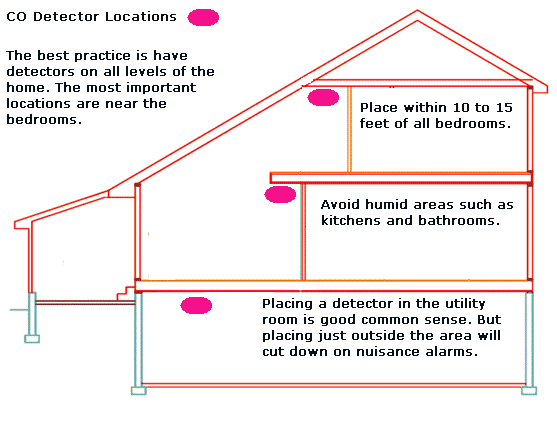
Imagine the peaceful quiet of your bedroom, the world outside hushed as you drift off. This is precisely where our little safety sentinel wants to be. It understands that you are most vulnerable during these precious hours of sleep.
Must Read
So, its prime directive, its number one mission, is to settle down near your sleeping areas. Think of it as a quiet roommate, always on alert, making sure your slumber is undisturbed by unseen threats. It doesn't need to be right on your pillow, of course.
The ideal spot is somewhere close enough to wake you if it senses trouble. Perhaps just outside the entrance to your bedroom, or even within the room itself. It’s like a tiny, vigilant lighthouse, shining its invisible beam of protection over your peaceful night.
"A good guardian knows its people best when they're at their most relaxed," whispers the wise old detector, if detectors could whisper. "And that's often in their beds."
The Level-Headed Lookout: A Friend on Every Floor
Your home isn't just one big room, is it? It’s a wonderful collection of spaces, stretching upwards and downwards, each with its own stories. From the basement hideout to the attic sanctuary, every level deserves a watchful eye.

That's why our humble hero, the CO detector, needs a sibling (or two, or three!) on every single level of your abode. It's like having a little safety committee, each member assigned to a different floor, ensuring no corner is left unprotected.
Picture a little detector standing guard in your cozy living room, another keeping an eye on the basement workshop, and yet another posted near the upstairs bedrooms. They form a silent network, a fantastic team protecting your whole castle. They’re like friendly neighborhood watch members, each with their own assigned territory.
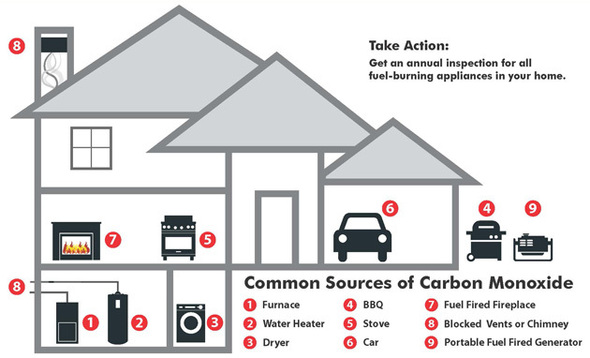
Even if your basement is just for laundry or storage, it’s a crucial zone. Many fuel-burning appliances, like furnaces and water heaters, often reside down there. So, don't forget that lower level; it's a vital part of the safety chain.
The Appliance Alley Ambassador: Close, But Not Too Close
Now, here’s where things get a touch nuanced, a bit like finding the perfect spot for a prized houseplant. Our diligent detector certainly wants to be near the things that could produce carbon monoxide. Think of your furnace, water heater, or that charming gas fireplace.
These are the heart of your home's warmth and comfort, but they also use fuel. Our detector is like a curious cat, always sniffing around these areas for anything amiss. It loves to be in the general vicinity, listening intently.
However, it’s important not to place it directly on top of them. That's a bit too enthusiastic! Heat, moisture, or even exhaust from these appliances could trigger a false alarm, turning our quiet hero into a noisy worrier unnecessarily.
A good rule of thumb is to place it about 15-20 feet away from such appliances. This gives it enough distance to avoid false alerts, yet keeps it close enough to quickly detect any genuine issues. It's about finding that sweet spot for optimal vigilance.
The "No-Go" Zones: Where Our Hero Doesn't Shine
Just like a shy artist might prefer a quiet studio over a bustling market, our CO detector has places where it simply doesn't thrive. These are the "no-go" zones, often places that are too humid, too drafty, or just plain confusing for its sensitive sensors.
First up: the bathroom. While wonderful for long, hot showers, the steam can play havoc with the detector's delicate sensors, leading to unnecessary beeps. It's like asking a highly trained chef to cook in a sauna – not ideal conditions for top performance!
Next, avoid placing it directly in front of windows or vents. Strong drafts can blow away the CO before the detector has a chance to properly sense it. It's like trying to catch a whisper in a hurricane; the message just gets lost.
And definitely keep it out of the garage. Your car, even when briefly idling, produces carbon monoxide, which would lead to constant, annoying alarms. The garage is for cars, not for your home's main CO sentinel to live. It knows its place is inside the living space.
The Wallflower or Ceiling Star: Where It Likes to Hang Out
So, our little guardian knows where it needs to be, and where it doesn't. But how does it like to be mounted? Does it prefer a cozy corner or a high perch? The answer often depends on the type of detector you have.

Many detectors are designed to be plugged into a standard electrical outlet, often about knee-to-waist height on a wall. This is a very popular choice, easy to install, and right where many people can easily see its status lights. It's like a friendly little light switch, but with a super important job.
Others are designed to be mounted higher up, perhaps on the wall at eye level, or even on the ceiling. Carbon monoxide mixes evenly with air, so it doesn't "rise" or "fall" in the same way smoke does. Therefore, its placement isn't as critical regarding height as, say, a smoke detector.
However, choosing a spot away from direct sunlight, out of reach of curious little hands or paws, and not easily bumped, is always a smart move. Our detector appreciates a stable and undisturbed environment to perform its duties flawlessly. It's a bit like giving a diligent librarian a quiet, well-lit corner to work.
Ultimately, installing a carbon monoxide detector isn't a chore; it's a simple act of love for your home and everyone in it. It’s a quiet promise of safety, a tiny gadget that delivers immense peace of mind. So, go ahead, find the perfect home for your silent guardian. It’s a small step that brings a huge wave of warmth, knowing your cherished space is truly protected.