
How Do You Turn Off A Carbon Monoxide Detector

Ever been jolted awake by that ear-splitting, heart-stopping shriek? No, not your cat at 3 AM. Not even your neighbor’s questionable karaoke skills. We’re talking about your trusty (and undeniably loud) carbon monoxide (CO) detector! What a drama queen, right? But oh, what an important drama queen it is.
The Great Alarm Shenanigan: What's All That Noise?
That piercing, insistent BEEP-BEEP-BEEP isn't just annoying; it's practically a Broadway show of warning. It’s your tiny sentinel screaming, "Hey, something's up!" Carbon monoxide is the ultimate sneaky villain. It's invisible, odorless, and tasteless. You won't know it's there until it's too late. Your detector? It’s the noisy hero, the ultimate party pooper for a silent killer.
Think of it as your home’s personal bodyguard, only instead of a stoic gaze, it's got a siren that could wake the dead. When that alarm blares, it means something, and you need to listen.
Must Read
Chirp, Chirp, BEEP! Decoding the Alarm's Mood Swings
Not all alarms are created equal. Sometimes it's just a lonely, sporadic chirp. Ah, yes, the dreaded 3 AM low battery warning. A tiny, passive-aggressive jab at your sleep schedule. That's usually a simple battery swap. Annoying, but not usually life-threatening.
But the full-on, continuous, urgent BEEP-BEEP-BEEP? That’s the code red. That’s when your detector isn't just hinting; it's practically yelling, "Get out now!" It’s like the difference between a polite cough and a full-blown primal scream. We pay attention to the scream.
Hold Up! Safety First, Silencing Later!
Before you even think about silencing that noisy hero, you need to remember the golden rule: safety first! If your CO alarm is blaring its full, continuous warning, that means potential danger. Your first move isn't to silence it; it's to get fresh air.
Evacuate immediately! Get everyone, including pets, out of the house. Open windows and doors on your way out if it's safe to do so. Once outside, call your gas company or the fire department. They have the proper equipment to test for CO and keep you safe. Seriously, don't play hero trying to figure out the leak yourself. Your life is way more important than avoiding a phone call.
Okay, now that we've covered the crucial safety bits (because we love you and want you safe!), let's talk about the slightly less critical, but equally pressing, matter of how to make that racket stop once you've confirmed it was a false alarm, or the professionals have given the all-clear.

Okay, NOW How Do We Shut It Up? Operation: Silence the Siren!
Once you're safe and know it's not a deadly threat (or you're just dealing with a test or a low battery chirp), it's time to silence the beast. This is where the fun (and sometimes frantic) "find the button" dance begins!
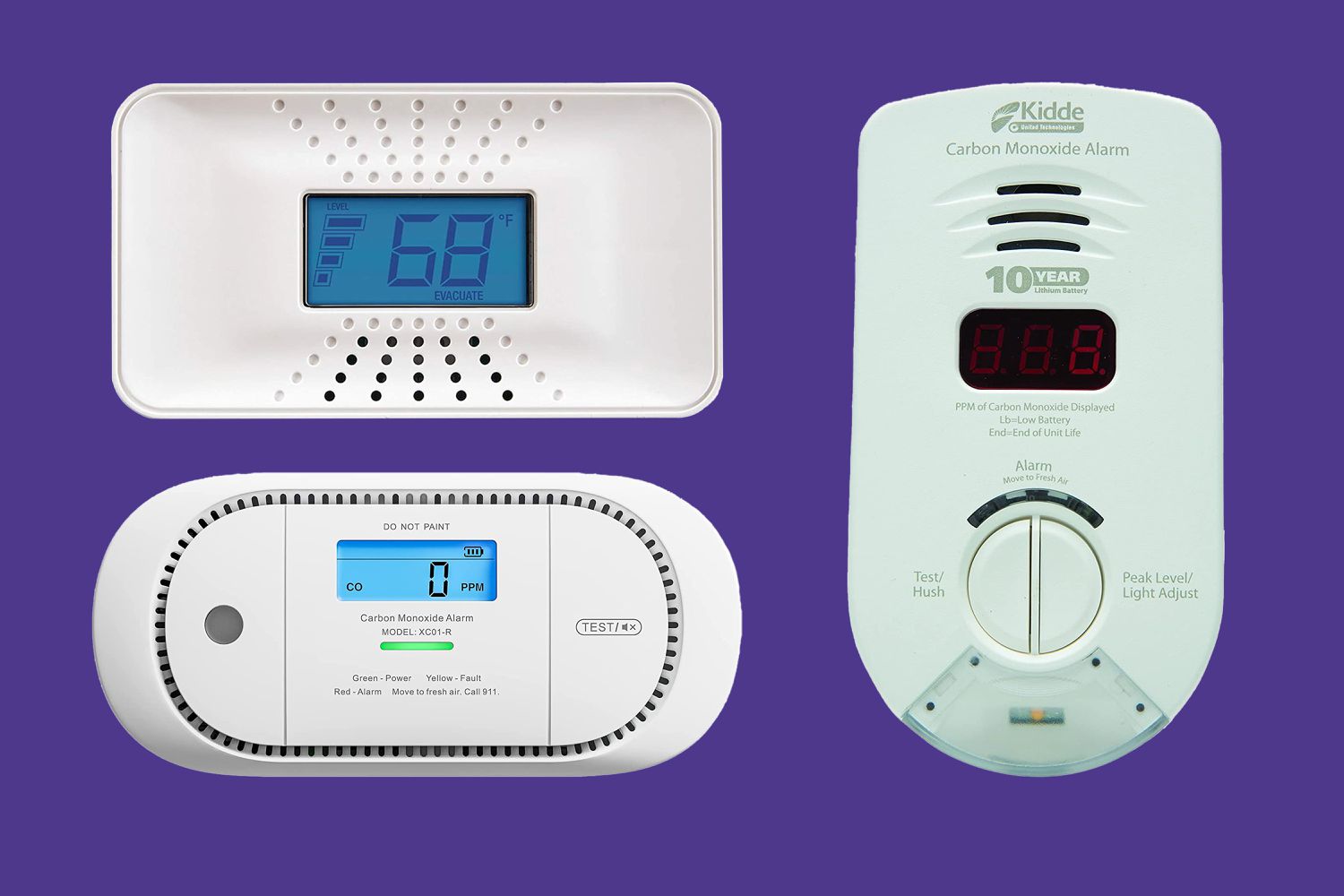
- The Magical Button: Most modern CO detectors have a reset or hush button. Find it! It's usually a prominent, easy-to-press spot on the front. Press and hold it down for about 5-10 seconds. Voila! With a satisfying click (or sometimes just a sudden silence), your ears will thank you. This often clears the alarm, or at least silences it for a few minutes if it's still detecting CO (giving you time to get out!).
- The Unplugging Dance: Is your detector a plug-in unit? Sometimes, you just gotta be assertive. Yank it! Gosh, that sounds aggressive, but sometimes you just gotta do it. Be mindful that many plug-in units also have backup batteries, so you might need to tackle those next.
- Battery Eviction Notice: For battery-only units, or those with battery backups, it's time for some battery ballet. Open that little compartment on the side or back. Eject! Pop those batteries out like they just told a bad joke. Give the unit a minute to fully discharge any residual power, then (and this is key!) put new ones in. Don't forget the new ones! A dead battery alarm is a pointless alarm.
- The Hardwired Conundrum: These are the trickiest. They’re wired directly into your home’s electrical system. You might be able to twist them off their mounting base. But often, they still have a backup battery you’ll need to remove. For hardwired units, it's always best to consult your manual. If you're not comfortable dealing with electricity, or unsure, please call an electrician or your gas company. Don't mess with mains power if you're not sure!
Post-Alarm Ponderings: What Next?
So, you’ve silenced the siren. Bravo! But don't just high-five yourself and go back to Netflix. There's a little post-alarm etiquette. If the alarm went off for a suspected CO leak (and not just a low battery chirp):

- Ventilate, Ventilate, Ventilate! Keep those windows and doors open. Get some serious fresh air circulating.
- Investigate (Safely)! Once the air is clear and professionals have deemed it safe, try to figure out what triggered it. Are furnaces running? Water heaters? Gas stoves? Look for anything that burns fuel. Sometimes a blocked vent or a malfunctioning appliance is the culprit.
- Don't Re-Silence and Forget: If the alarm keeps going off even after ventilating, that’s a huge red flag. Get out and call the pros again.
Your Grumpy Little Guardian: Lifespan and TLC
These devices aren't forever. Much like that old flip phone you refuse to give up, CO detectors have a lifespan, usually 5-7 years. After that, their sensors get less reliable, and they can get a bit grumpy (meaning, unreliable). Check the manufacturer's date on the back of your unit.
Treat them well. Test them regularly with their little test button. It's like checking if your car horn works – just to make sure it's ready for action. And when it's time, replace them. It's a small investment for massive peace of mind.
Stay Safe, Stay Sane, Stay Curious!
So, next time that high-pitched wail pierces the calm, remember: it's not a monster trying to ruin your day. It’s a hero. A loud, dramatic, but ultimately life-saving hero. And now you know how to politely (or not-so-politely, depending on your frustration level) ask it to chill out, while always prioritizing your safety. Stay alert, stay curious, and keep those ears open!
