
Where Best To Place A Carbon Monoxide Detector

Alright, so you know how we chat about all sorts of stuff, right? Well, today, let's talk about something super important, but also, let's be real, a little bit… unsexy. We’re diving into the thrilling world of carbon monoxide detectors. I know, I know, try to contain your excitement. But seriously, this is one of those things that’s absolutely crucial for keeping your pad safe, and honestly, it’s often overlooked. It's like the unsung hero of home safety!
So, you’ve got one (or hey, maybe you’re thinking about getting one – high five!). But where on earth do you stick the darn thing? It’s not like a smoke detector, which just hangs out on the ceiling, doing its ceiling-y thing. CO is a different beast entirely. It's invisible, odorless, tasteless – basically, it’s the ninja of dangerous gases. And because it's so sneaky, knowing where to place it is half the battle won. Let’s get you sorted, shall we?
Sleepy Time Is Prime Time
First things first, and this is probably the most critical spot: near your bedrooms. Or, more accurately, within earshot of all sleeping areas. Think about it. When you’re snoozing, you’re not exactly aware of your surroundings, are you? You wouldn't notice a sneaky gas creeping in. CO exposure while you’re asleep is super dangerous because you might not wake up or even realize what's happening. Not a fun thought, right?
Must Read
So, imagine your kids’ rooms, your guest room, your master suite. You want a detector close enough that if it chirps, everyone wakes up. Maybe in the hallway leading to the bedrooms, or even in larger bedrooms themselves. It’s like having a little guardian angel yelling "Wakey wakey, eggs and bakey! But also, danger!"
Every Level, No Exceptions!
Okay, so you've got the bedroom areas covered. High five! But don’t stop there, my friend. We're going for full coverage here. You absolutely, positively need a CO detector on every single level of your home. Basement? Yup. Main floor? You betcha. Upstairs where all the sleepy heads are? Already discussed, but worth reiterating!

CO isn't like a balloon that just floats to the top. It actually mixes pretty evenly with the air. So, if you've got a furnace in the basement, and a gas stove on the main floor, and a fireplace upstairs – well, you get the picture. You need sensors everywhere to catch it, no matter where it decides to try and crash your party. Think of it like a security system for invisible threats!
Near the Hiss & Hum, But Not Too Close
Now, let’s talk about the sources. Where does CO usually come from? Think anything that burns fuel: furnaces, water heaters, gas fireplaces, gas stoves, clothes dryers… even your car if it’s running in an attached garage. So, it makes sense to have a detector near these combustion appliances, right? Logic! My favorite!

But here’s a little asterisk: don't place it right on top of them. We're not trying to get a selfie with the furnace. A little distance is good. Around 5 to 20 feet away from these appliances is a sweet spot. Why? Because sometimes the appliance itself might emit a tiny, harmless puff of CO when it first starts up. We don't want false alarms making you think the apocalypse is nigh every time your water heater kicks on. We're looking for sustained, dangerous levels, not just a little burp.
Avoid the Drafts and the Dead Zones
Okay, imagine your detector as a little sniffy nose. You want it to sniff the actual air you’re breathing, not just a weird pocket of nothingness. So, avoid placing it:
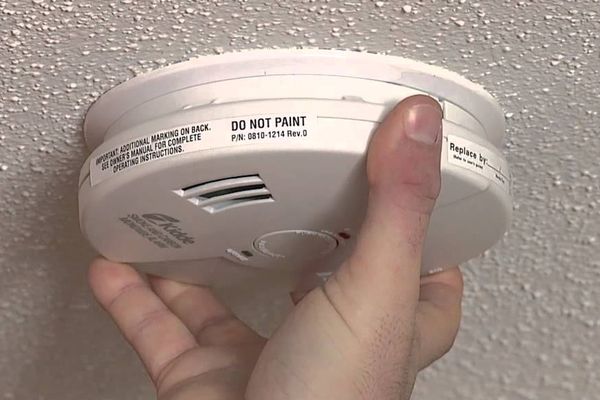
- Right next to windows or doors: Drafts can mess with its ability to get an accurate reading.
- Near exhaust fans or vents: Again, air currents interfering.
- In direct sunlight or super humid areas: Extreme temps or moisture can shorten the lifespan of the detector and affect its accuracy. So, maybe not right next to your steamy shower or that sunny window sill where you grow your herbs.
- Behind curtains or furniture: These are "dead air" spaces. If CO is lurking there, the detector won’t catch it. It’s like trying to hear gossip from another room when someone's whispering behind a couch. Not effective.
Height Matters (A Little Bit!)
This is where it gets a little confusing because people often mix it up with smoke detectors. Smoke rises, so smoke detectors go on the ceiling. CO, as we talked about, mixes with air. So, it’s not strictly about "CO rises" or "CO sinks." It just kinda… is.
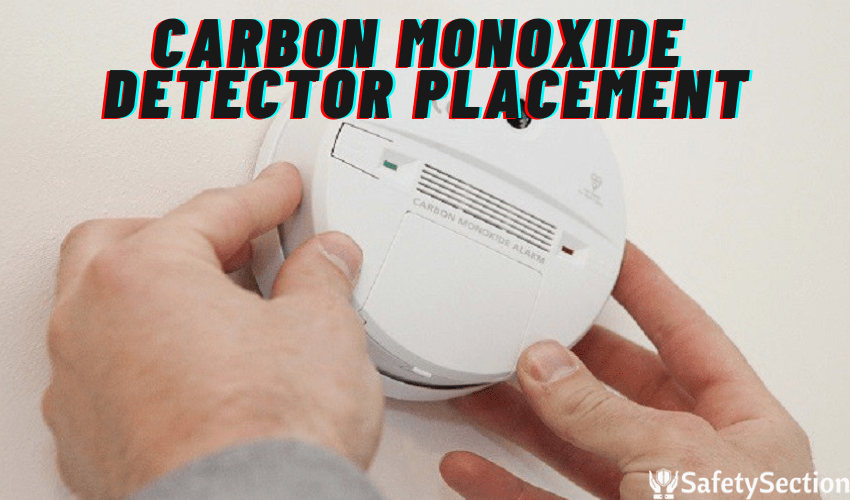
However, manufacturers generally recommend placing CO detectors at roughly eye level or higher on a wall, usually around 5 feet from the floor. Why? Well, it’s largely for practical reasons: it keeps it out of reach of little hands (and pets!), and ensures it's in an area where air circulates well, away from floor-level dust and debris. If you have a plug-in unit, any standard outlet height is usually fine. Just remember: not on the ceiling like a smoke detector. That's for the other invisible killer!
Don't Forget the Garage Door!
Got an attached garage? This is a sneaky one. If you ever, for even a hot second, start your car in the garage before opening the door, or if your car idles for a bit, CO can build up. And if that garage is attached to your home, that CO can absolutely seep right into your living space. So, consider placing a detector near the door connecting your attached garage to your house. It's an extra layer of peace of mind, especially if you're prone to, shall we say, "forgetting" to open the garage door immediately.
The Nitty-Gritty Wrap Up
So, there you have it! A quick, friendly guide to strategically placing your CO detectors. It’s not just about having them, it’s about having them in the right spots to do their job effectively. Remember, these little gadgets are designed to literally save lives. They're your invisible gas bodyguards!
And hey, while we’re on the topic, remember to test them regularly (that little "test" button isn't just for show!) and replace them when they expire. They usually have a lifespan of 5-7 years. Check the manufacturer's date! Think of it like changing the oil in your car – routine maintenance for something super important. Now go forth and place with confidence!