Which Fire Extinguisher For Which Type Of Fire

Who enjoys thinking about fires? Probably no one! But there's a quiet satisfaction, a palpable sense of peace, that comes from knowing you're prepared. It’s like having a reliable umbrella on a sunny day – you hope you never need it, but you're profoundly glad it's there when the clouds roll in. We're talking about fire extinguishers, those unassuming red cylinders that are actually your home's unsung heroes, silently standing guard.
Their purpose is simple yet profound: to be your first, fastest line of defense against a small fire before it becomes a devastating blaze. They buy you precious time, protect your loved ones, and often save your cherished belongings from becoming ash. Understanding these tools isn't about being paranoid; it's about being empowered, transforming potential panic into decisive action when seconds count.
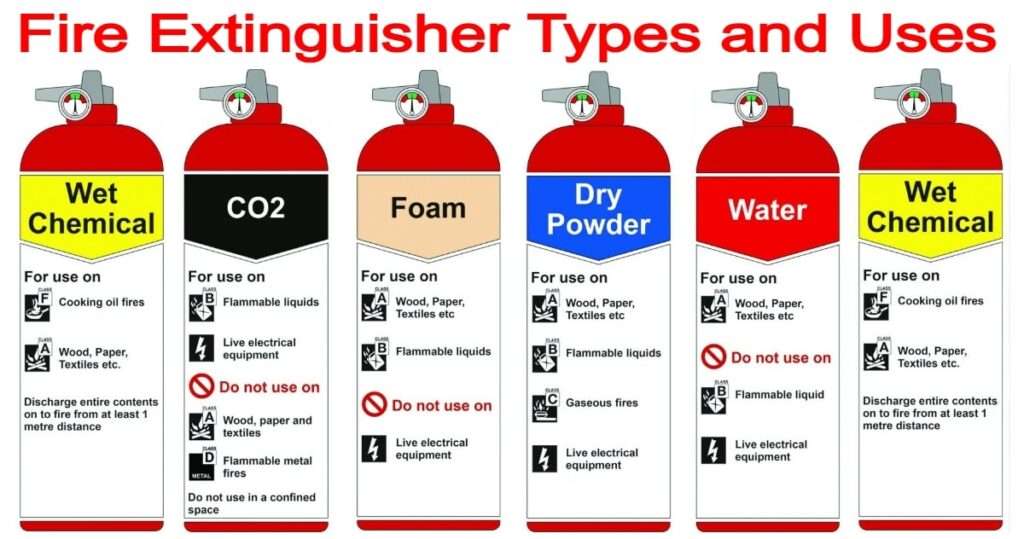
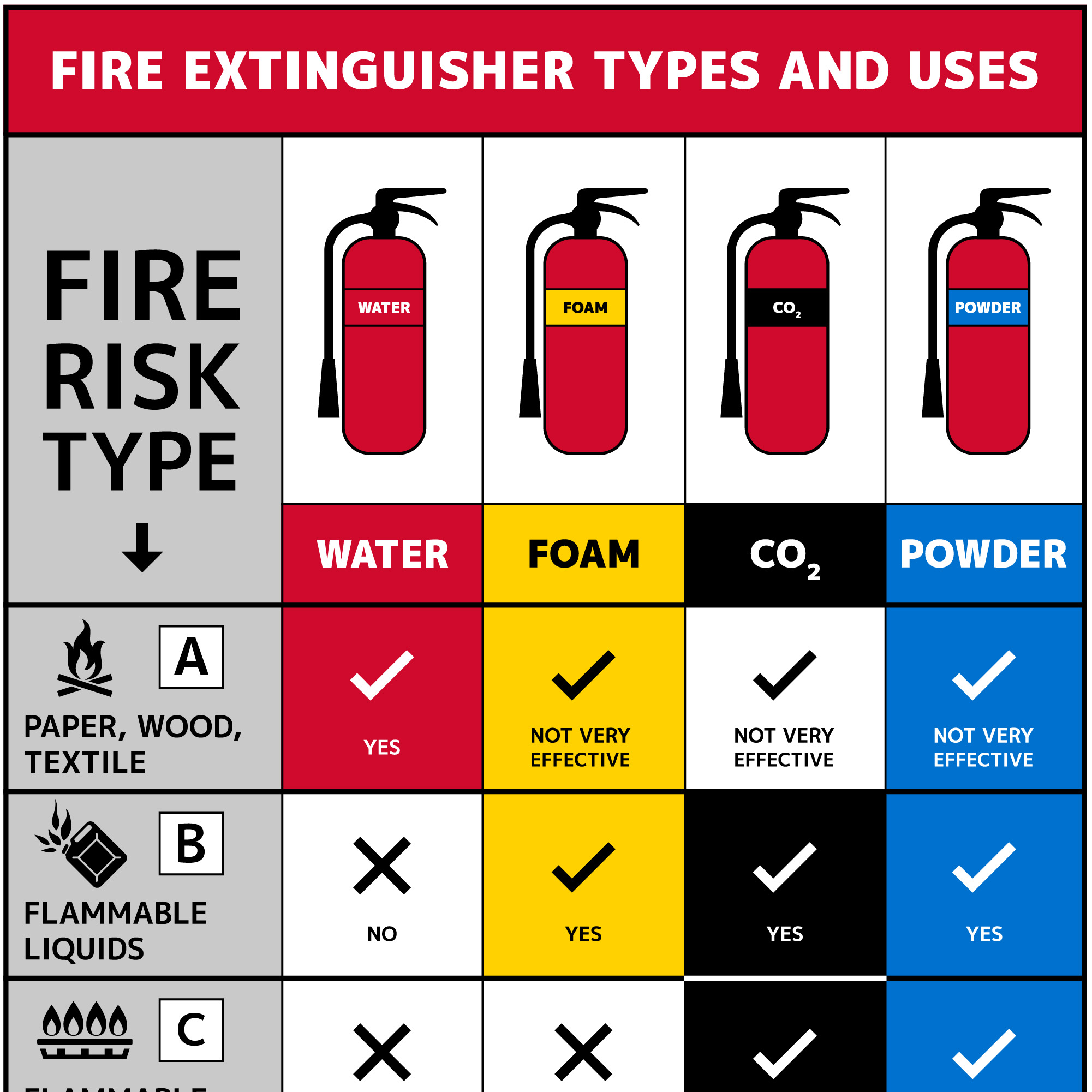
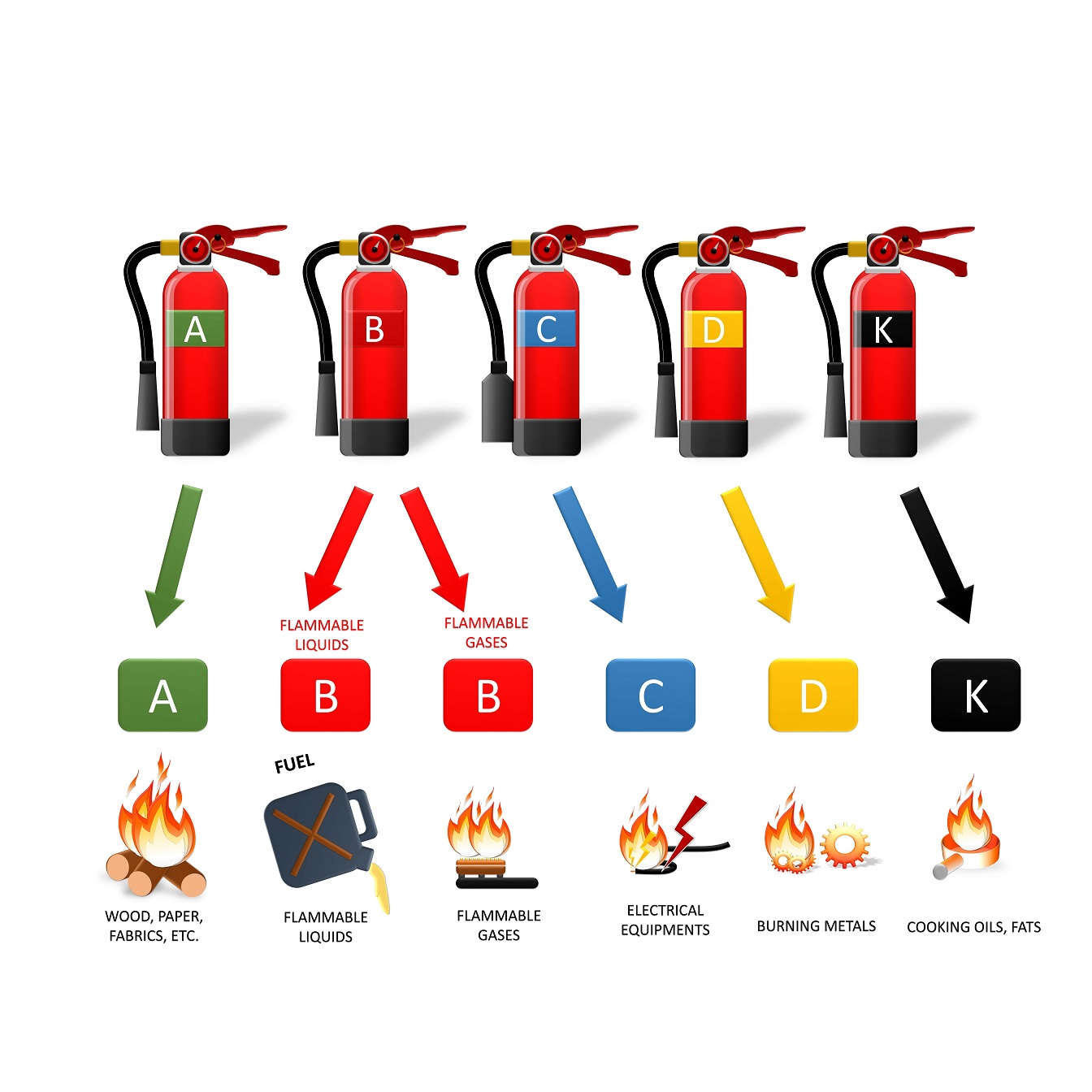
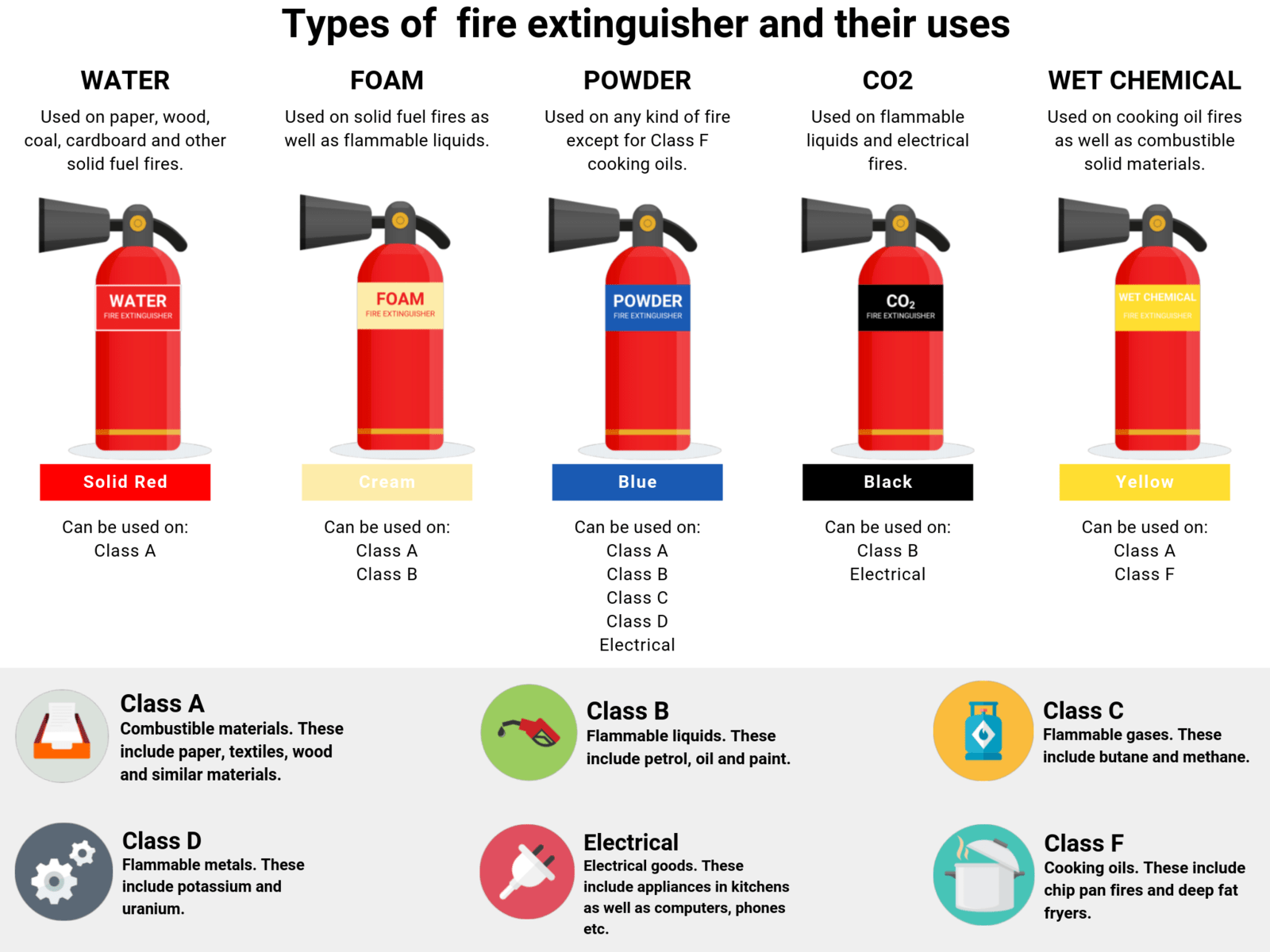
Now, here's where the "which for which" comes in. Just like you wouldn't use a wrench to hammer a nail, you shouldn't use the wrong extinguisher on the wrong type of fire. Fires are categorized into classes, and each demands a specific approach:
Must Read
- Class A Fires: The Everyday Blazes. These involve ordinary combustibles like wood, paper, cloth, and trash. Think of a wastebasket fire or stray embers.
- Best Extinguishers: A water extinguisher works well, or a multi-purpose ABC dry chemical extinguisher.
- Class B Fires: The Flammable Liquids. These are fueled by liquids like gasoline, oil, paint, and solvents. A garage spill or a barbecue flare-up (but not cooking oils!) falls into this category.
- Best Extinguishers: You'll want a CO2, foam, or the versatile ABC dry chemical. Never use water on a Class B fire – it will just spread the burning liquid!
- Class C Fires: The Electrical Culprits. These fires involve energized electrical equipment – faulty wiring, overloaded outlets, or burning appliances.
- Best Extinguishers: Safety first! You need something that won't conduct electricity. CO2 and ABC dry chemical extinguishers are your go-to options. Water is a big no-no for Class C fires due to the electrocution risk.
- Class K Fires: The Kitchen Crusaders. Specifically for cooking oils and fats (like deep-fryers) that burn at extremely high temperatures. This is often where many home fires start!
- Best Extinguishers: A wet chemical extinguisher is specially designed for these intense kitchen infernos. While an ABC might knock it down, a K-class is truly tailored for these types of fires and much safer for deep fat fryers.
So, how do you "enjoy" this preparedness effectively? First, know your extinguishers. Check their labels – A, B, C, or K – and place them strategically: an ABC in the garage or living area, and a K-class (or at least an ABC) firmly in the kitchen. Second, learn the P.A.S.S. method: Pull the pin, Aim low at the base of the fire, Squeeze the lever, and Sweep from side to side. Third, remember this golden rule: only fight a fire if it's small, contained, and your escape route is clear. If it's growing, spreading, or you're unsure, evacuate immediately and call 911. Your safety is paramount. Regularly check your extinguishers' pressure gauges and expiry dates; a flat extinguisher is as useful as a chocolate teapot!
By understanding these essential tools, you're not just buying a piece of equipment; you're investing in peace of mind and the power to protect what matters most. Now go forth, be prepared, and stay safe!