How High To Install Carbon Monoxide Detector
Alright, let's chat about something super important for your home, but often gets relegated to the "I'll get to it someday" pile: your carbon monoxide detector. It's not the sexiest home improvement topic, I know. You're probably thinking about paint colors or that leaky faucet. But trust me, this little gadget is a true unsung hero, and knowing where to pop it up can make all the difference.
The Invisible Roommate You Never Wanted
Imagine you have a guest over. A really, really quiet guest. One who doesn't ring the doorbell, doesn't leave crumbs, and you can't even see them. Sounds a bit spooky, right? That, my friends, is carbon monoxide (CO). It’s an odorless, colorless, tasteless gas, and it's notoriously sneaky. It’s like the ninja of dangerous gases. You won't know it's there until it's too late.
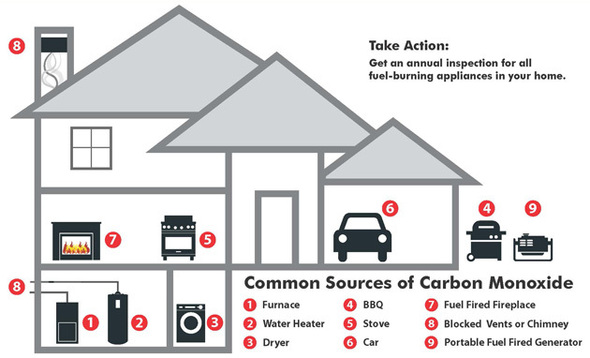
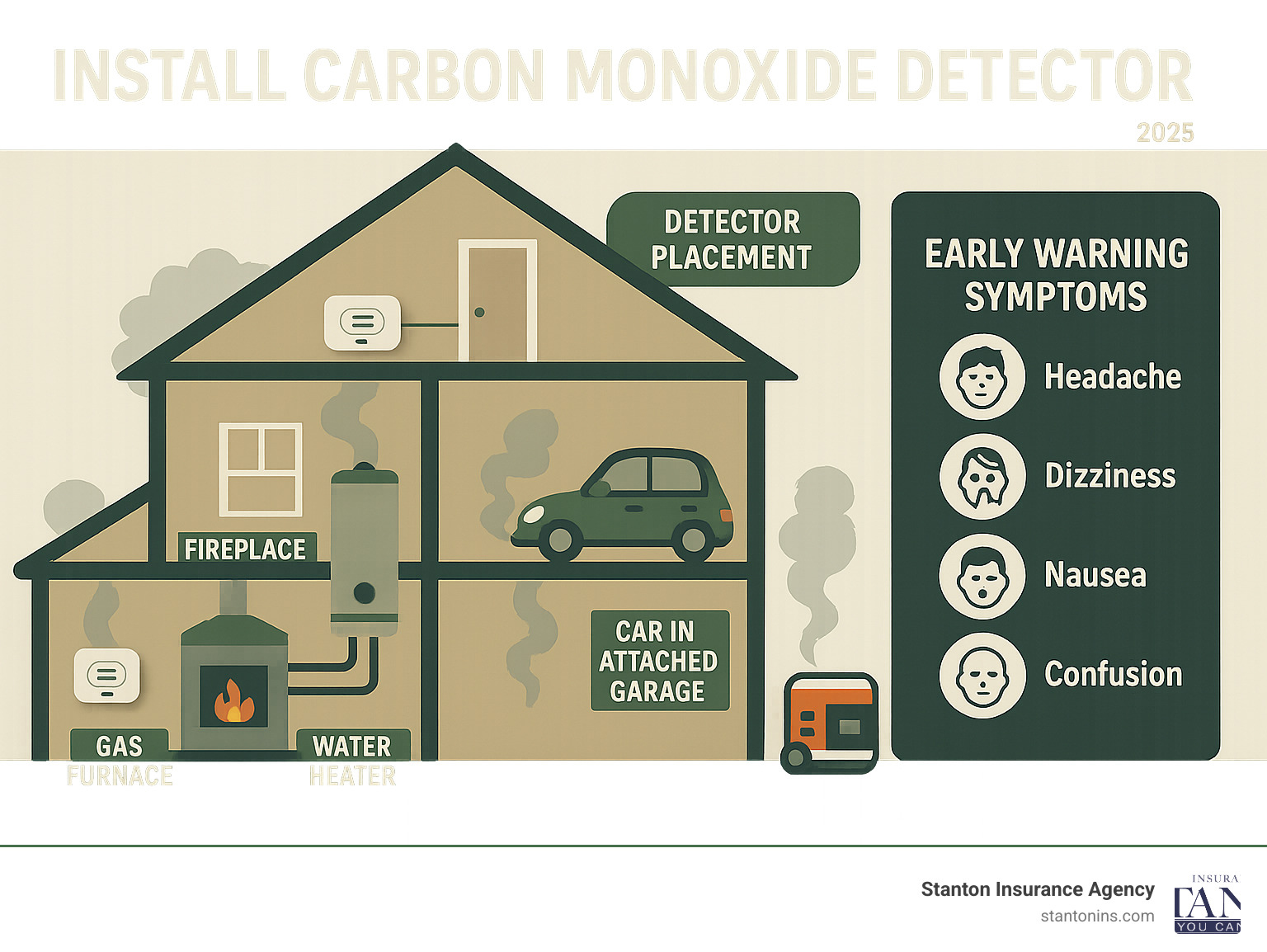
And why should you care about this invisible ninja? Well, CO is produced whenever fuels (like gas, oil, kerosene, wood) burn incompletely. Think furnaces, water heaters, fireplaces, gas stoves, or even your car running in an attached garage. When these appliances aren't properly ventilated or maintained, CO can build up in your home. And breathing it in? Not good. It replaces oxygen in your blood, which is, you know, kind of essential for staying awake and alive.
Must Read
So, we're not talking about a little sniffle here. We're talking about a serious health risk that can lead to headaches, dizziness, nausea, and in severe cases, unconsciousness and even death. Yikes! But don't fret, because your trusty carbon monoxide detector is like a little guardian angel, always on alert.
CO Doesn't Play Favorites (or Elevators)
Now, for the big question: how high should you install this superhero device? Many people assume CO acts like smoke – that it rises to the ceiling. And while that's a perfectly logical guess (we've all seen smoke detectors up high!), it's actually a common misconception. CO is roughly the same density as air, maybe just a tiny bit lighter. So, it doesn't dramatically float up to the heavens or sink to the floor like a lead balloon.

Think of it like this: if you spray air freshener in a room, it doesn't just zoom to the ceiling and stay there, right? It disperses and mixes with the air around you, wafting around at different heights. CO behaves in a similar way. It mixes with the air, so it will be present throughout the room, including at the levels where you and your loved ones are breathing.
The Goldilocks Zone: Not Too High, Not Too Low
Given that CO mixes with the air, where's the best spot? The general consensus from safety experts and manufacturers is to install CO detectors on a wall, roughly at least five feet from the floor. Think eye-level, or slightly below. This is often referred to as the "breathing zone" or the "Goldilocks Zone" – not too high, not too low, but just right.
Why this height? It's high enough to avoid getting accidentally bumped by a vacuum cleaner or a playful pet, but low enough to accurately detect CO at the level where people are most likely to inhale it. Plus, if it has a digital display or a low-battery indicator, it's easy to spot without needing a step stool or a flashlight.

You want to place it where it can effectively sample the air you’re breathing. Imagine you’re sitting on the couch, or sleeping in your bed – that's the air you want your detector to be checking. So, putting it on the ceiling next to your smoke detector isn't ideal for CO, and putting it down by your baseboards isn't the best either.
Where Else to Put Them (and Where NOT To!)
Beyond the height, placement matters a whole lot!
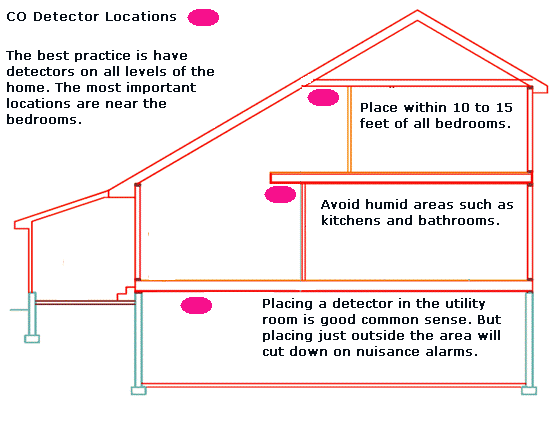
- Near Sleeping Areas: This is arguably the most crucial spot. People are most vulnerable when they're asleep because they won't notice symptoms. Put one in the hallway outside bedrooms, or even in individual bedrooms if you have a very large home or multiple fuel-burning appliances.
- On Every Level: If you live in a multi-story home, install at least one detector on each level. CO can travel!
- Near Fuel-Burning Appliances: Think furnace, water heater, fireplace, or even a gas range. But give them a little space – don't put it right next to a stove or a dryer vent. A good rule of thumb is at least 15-20 feet away from any potential source to avoid nuisance alarms from normal operation (like a brief puff of CO when lighting a gas stove).
- Attached Garages: If you have an attached garage, it's a must-have. Exhaust fumes from cars are a common source of CO, and that gas can easily seep into your living space.
Now for the "NO-GO" zones:
- Direct Sunlight or Heat Sources: Extreme temperatures can mess with the sensor.
- Near Windows, Doors, or Vents: Drafts can dilute the CO or cause inaccurate readings.
- In High Humidity Areas: Avoid bathrooms or kitchens where steam can affect the sensor.
- Too Close to Fuel-Burning Appliances: As mentioned, keep a respectful distance to avoid false alarms.
Your Home's Invisible Shield
So, there you have it! Installing your carbon monoxide detector isn't rocket science, but understanding its "sweet spot" is key to keeping your home safe. Think of these detectors as your home's invisible shield, silently protecting you and your loved ones from a hidden danger.
Remember to test them regularly (most have a test button!) and change their batteries when recommended. A little bit of proactive care goes a long way in ensuring your home remains a cozy, safe haven, free from any unwanted, invisible guests. Stay safe out there!