Can You Get Struck By Lightning In Your House

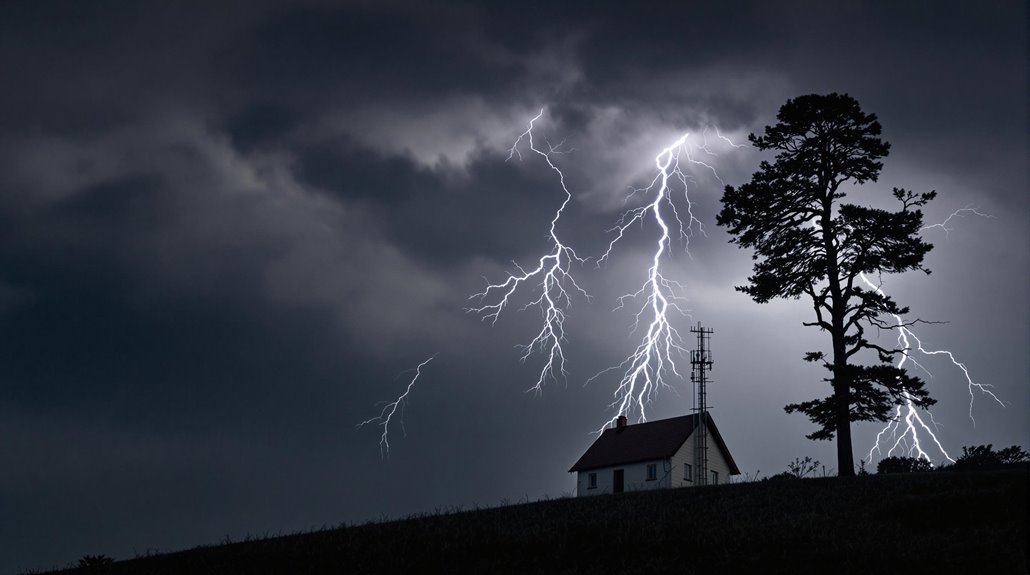
Picture this: a wild thunderstorm rages outside. Thunder rumbles like a giant bowling game in the sky, and brilliant flashes of lightning light up your windows. You’re tucked inside, perhaps with a warm drink, feeling perfectly safe from the stormy drama, right? Your house is a fortress, a cozy sanctuary. But have you ever paused to wonder, truly wonder, if that incredible electric spectacle could actually reach you, even within your own walls?
It’s a thought that dances between urban legend and genuine concern, and honestly, it makes for some pretty fascinating conversation. We all grow up hearing about lightning safety, but often those warnings focus on being outdoors. So, let’s peel back the curtain on this electrifying mystery: can you actually get struck by lightning while chilling in your living room? The short answer, which might surprise you, is a bit more complicated than a simple "yes" or "no." While your home is indeed a very safe place during a storm, lightning is an incredibly powerful and cunning force, and it has its ways.
The Sneaky Ways Lightning Gets In
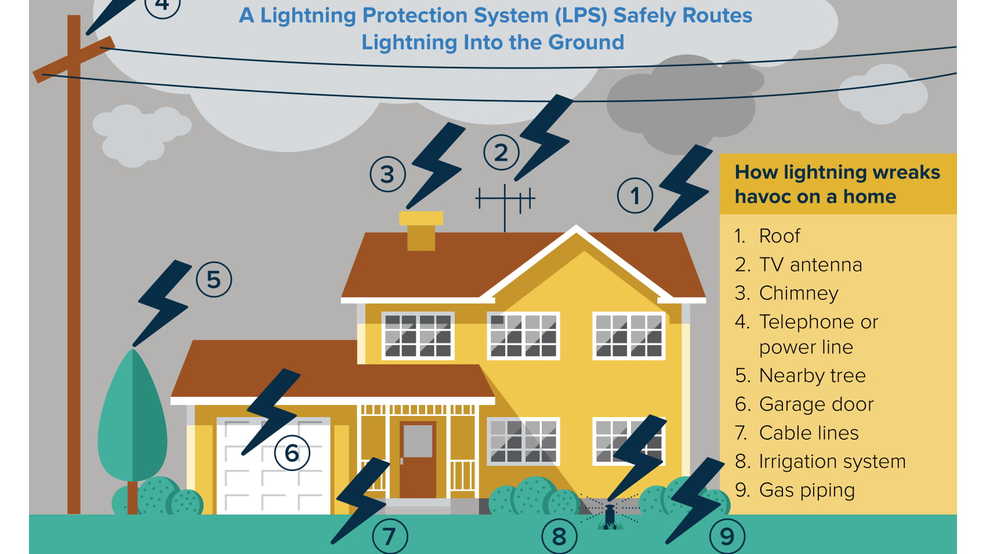
Now, before you start building an underground bunker, let’s get one thing straight: direct lightning strikes on people inside a typical house are extremely rare. Your home's structure, especially if it has a properly installed grounding system, is designed to safely channel lightning's immense energy away from you and into the earth. That's the good news! But lightning is a bit of a trickster. It doesn't always need a direct hit to cause trouble. Instead, it often uses existing pathways within your house, almost like an unwanted, super-fast guest looking for the quickest route to the ground.
Must Read
Think about all the things in your house that can conduct electricity. Suddenly, mundane objects become potential conduits! The biggest culprits? Your home’s electrical systems, the miles of wiring running behind your walls. Then there’s your plumbing pipes, carrying water, another excellent conductor. And don’t forget old-fashioned landline phone lines, though these are less common now. Even internet cables can carry a surge. When lightning strikes nearby – say, a tree, a utility pole, or even directly onto your house – that massive jolt of electricity can surge through these pathways, trying to find its way to the ground.
What Not To Do When Thunder Roars
This is where things get really interesting, and where a little knowledge can make a huge difference. Because lightning can travel through these household systems, you need to be mindful of what you're touching, or even what you're near, during a storm. For instance, have you ever considered if it's safe to take a shower or wash dishes during a lightning storm? The answer is a resounding "no!" The reason is simple: your plumbing system is a direct line to the ground, and if lightning surges through it, that water-filled shower or sink becomes a dangerous path for electricity to reach you. Taking a shower during a thunderstorm? Definitely off-limits.
"When thunder roars, go indoors!" But once you're inside, remember that lightning can still connect with you through your home's conductive networks.
Similarly, anything plugged into an electrical outlet can become a hazard. This includes TVs, computers, game consoles, and even charging phones. While direct hits are rare, power surges from lightning can travel through these cords. That's why experts often advise unplugging sensitive electronics before a storm hits. And if you still have a corded phone (a rarity these days!), using a landline phone is a definite no-go. Wireless devices, like cell phones and cordless phones, are much safer, as long as they aren't plugged into a charger connected to the wall.

Stay Smart, Stay Safe, Stay Curious
So, can you get struck by lightning in your house? It's highly unlikely in the traditional sense of a direct hit, but the real danger comes from the various ways lightning can conduct its energy through your home's infrastructure. By understanding that lightning uses your electrical wiring and plumbing pipes as shortcuts to the ground, you become much savvier about how to stay safe. Avoid touching anything connected to these systems during a storm. That means waiting on the dishes, holding off on that long bath, and maybe even unplugging your beloved gadgets.
This isn't about fear; it's about respect for nature's incredible power and curiosity about how it works. Lightning is an awe-inspiring phenomenon, a truly spectacular display of energy. Knowing its sneaky habits within your home simply makes you more prepared and confident when the next storm rolls in. It adds a whole new layer of appreciation for both the storm outside and the safety of your interior space. So next time the thunder claps, you'll not only appreciate the show but also know exactly how to keep your cozy sanctuary truly safe from lightning's electrifying tricks.