How To Test For Carbon Monoxide In Your House

Ever wonder what makes a house truly feel like a home? Is it the cozy blankets, the smell of freshly baked cookies, or maybe that wonky picture frame only you know how to straighten? Well, yes, to all of that! But there's another, often overlooked ingredient that adds a huge dash of joy and relaxation: a sense of safety and peace of mind. And guess what? Achieving that, especially when it comes to something as sneaky as carbon monoxide, is easier – and dare I say, more fun – than you might think!
Imagine being a superhero, but instead of capes and flying, your superpower is proactive home protection. You're not fighting supervillains; you're outsmarting the "silent killer" that is carbon monoxide (CO). Sounds a bit dramatic, right? Maybe! But this invisible, odorless, tasteless gas is no joke, and knowing how to test for it is your ultimate shield. Let's turn you into a CO-savvy superstar!
Becoming a Home Safety Superhero: Why This is Your New Favorite Hobby!
"Testing for CO? How is that fun?" you might ask, perhaps while sipping your morning coffee. Oh, but it is! Think of it like a mini treasure hunt, but instead of gold, you're finding peace of mind. It’s an act of self-care for your home and everyone in it. When you know you've got this covered, you can relax, laugh louder, cook up a storm, and enjoy every single moment without that nagging "what if" in the back of your mind. You're not just a homeowner; you're a home guardian! And that, my friend, is a pretty empowering feeling.
Must Read
Your Best Buddy: The Carbon Monoxide Detector!
This is your primary, go-to gadget for CO detection, and it’s surprisingly straightforward. Think of it as your house's personal sniff-test assistant. Carbon monoxide detectors come in various forms: battery-operated, plug-in with battery backup, and hardwired into your home's electrical system. Whichever you choose, just know it’s working tirelessly to keep you safe.
Where to Put Them (It's Like Real Estate, Location, Location, Location!)
For optimal coverage, you'll want detectors strategically placed. The general rule of thumb? On every level of your home, including the basement. Ideally, they should be located near sleeping areas – perhaps in the hallway outside bedrooms – and near any fuel-burning appliances. Why near sleeping areas? Because CO poisoning can happen when you're most vulnerable, catching you unawares. Think of them as tiny guardian angels watching over your dreams!

Testing Your Detector: The Fun, Noisy Part!
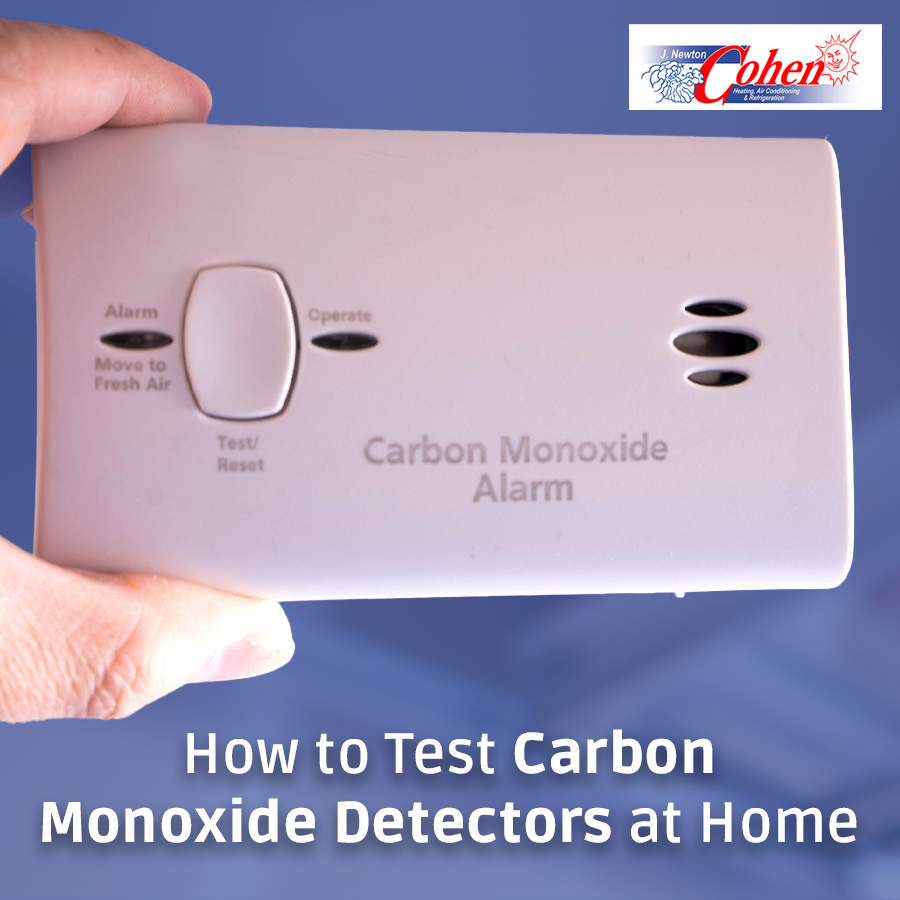
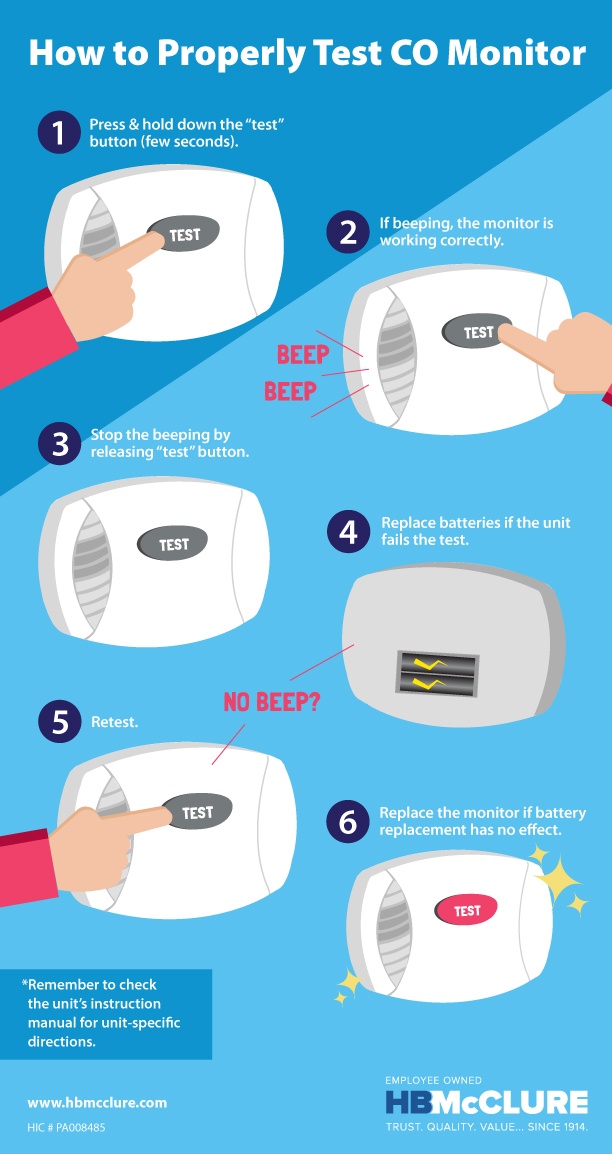
This is where you get to press a button and feel like a tech wizard! Most CO detectors have a "test" button. Press and hold it for a few seconds. You should hear a loud, piercing alarm. This isn't just a noise; it's confirmation that your detector's alarm is working perfectly. Do this at least once a month. Make it a fun family ritual! "Time for the noise party!"
Battery Talk and Expiration Dates (They Don't Last Forever!)
If your detector runs on batteries (or has a battery backup), remember to change them! A good rule of thumb is to replace them twice a year, perhaps when you change your clocks for Daylight Savings. It's a fantastic memory trick! Also, CO detectors themselves have a lifespan, typically 5-7 years. There's usually an expiration date on the back. When that date arrives, it's time to replace the whole unit. It’s a small investment for a giant return in peace of mind.
Bringing in the Big Guns: Professional Appliance Inspections
Your CO detector is amazing, but it’s a good idea to go a step further. Many CO leaks come from faulty fuel-burning appliances in your home. We're talking furnaces, water heaters, gas stoves, fireplaces, and even clothes dryers. The best way to catch potential problems before they start? Annual professional inspections!
Schedule a certified technician to check your gas appliances, chimney, and furnace every year. They'll look for cracks, blockages, and proper ventilation – things our trusty CO detector can't see. Think of it as your home's annual health check-up, complete with a professional opinion. It’s a smart, preventative move that ensures everything is running smoothly and safely. Plus, it shows your appliances some love, and who doesn't like a little TLC?
Your Inner Detective: Knowing the Warning Signs
While your detectors and professional check-ups are your primary defense, it’s also empowering to know what to look for. Symptoms of CO poisoning can mimic the flu: headaches, dizziness, nausea, weakness, and confusion. If you or anyone in your household experiences these symptoms, especially when everyone feels better after leaving the house, it's a huge red flag.

Trust your gut! If you suspect CO poisoning, the absolute first thing to do is get everyone outside into fresh air immediately. Then, call 911 or your local fire department. This isn't just about safety; it's about being observant, trusting your instincts, and taking decisive action. You're not just a homeowner; you're a lifesaver!
So there you have it! Testing for carbon monoxide isn't a chore; it's an act of love, empowerment, and genuine fun. It's about being proactive, feeling competent, and ultimately, building a truly safe and happy haven where memories can thrive without a whisper of worry. Your home is your castle, your sanctuary, and your playground – and now, you're its valiant protector!
Go forth and be a CO-savvy superstar! Your family, your home, and your peace of mind will thank you. Want to dive deeper and become an even bigger expert? Your local fire department or a trusted home safety organization often has fantastic resources and even more tips to share. Happy testing, happy living!