
Septic Tank Bubbling After Heavy Rain

Okay, so picture this: you've just survived a proper deluge, right? The kind of rain that makes you wonder if Noah's ark is about to pull up in your driveway. You're feeling all cozy, maybe sipping some tea, when you glance out the window... and what do you see? A strange, gurgling, almost playful bubbling happening right over your septic tank. Cue the immediate "What in the actual heck?!" thought process. Sound familiar? You're definitely not alone in that particular moment of domestic dread, my friend.
That little impromptu bubble bath your yard is throwing? Yeah, it can be a bit unsettling, can't it? It’s like your normally quiet, unassuming septic system has suddenly decided to host a tiny, subterranean rave. And frankly, it's enough to make anyone's eyebrows do a little dance of confusion.
What's the Deal with All the Bubbles?
Alright, let’s get down to the nitty-gritty, but keep it casual, because who wants a biology lesson when we’re talking about... that? Essentially, after a truly epic downpour, your entire yard is probably saturated. And when I say saturated, I mean it's practically a giant sponge that's had too much to drink.
Must Read
Your septic system has a very important part called the drain field (or leach field, if you want to get fancy). This is where the liquid waste – the stuff that’s been treated in the tank – goes to get absorbed by the soil. It’s like the final purification step, a natural filter, if you will.
Now, imagine that drain field, usually thirsty and ready to soak everything up, is already completely waterlogged from all that rain. It's full. It cannot take one more drop. So, where does the wastewater from your house (or even just the water already in the tank) go?
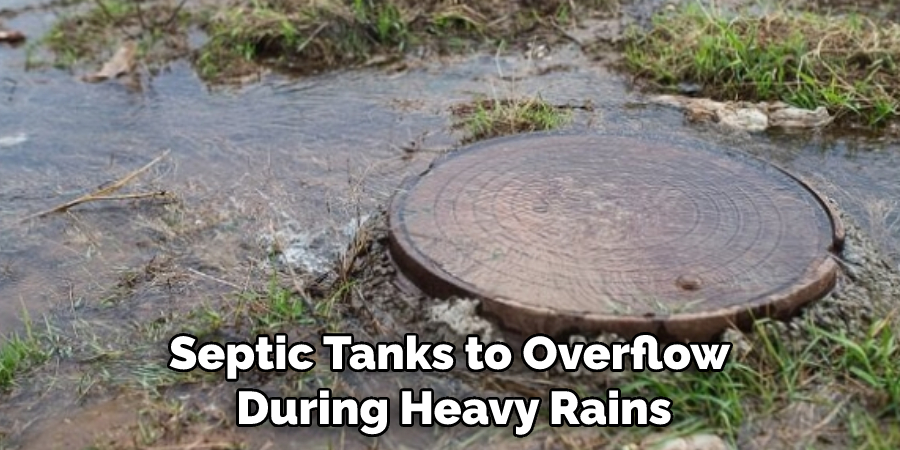
Yep, you guessed it. When the drain field can't do its job, the water starts to back up into the septic tank itself. And as more liquid pushes into the tank from the pipes, the air and gases already inside have nowhere to go but up! Out through the risers, through any cracks, and sometimes, yes, right up through the ground itself, causing those rather alarming little fizzing fireworks. It's basically the septic tank's way of saying, "I'M FULL! I'M REALLY, REALLY FULL!"
So, What Now?! Don't Panic (Yet!)
First things first: deep breaths. A little bubbling isn't always a full-blown emergency, but it's definitely a sign your system is under duress. It’s like a tired sigh from your underground plumbing.

Your immediate mission, should you choose to accept it (and you really should!), is to reduce your water usage drastically. Think about it: every flush, every shower, every load of laundry, every dishwasher cycle adds more liquid to an already overloaded system.
So, hit pause on the laundry marathon. Maybe skip that extra-long shower. Conserve water like you're in a desert, at least for a day or two, until the ground has a chance to dry out and your drain field can catch its breath. This is critical for preventing a worse backup.
.png)
Also, take a good look around. Is it just bubbling, or do you have standing, smelly puddles? Is the ground super squishy? Is there an odor that could wake the dead? If things are looking or smelling particularly grim, or if the bubbling persists for more than a day or two after the rain stops and you've reduced water usage, it might be time to call in the cavalry – a septic professional. They can diagnose if it's just a temporary overload or a sign of something more serious, like a clogged drain field.
Long-Term Love for Your Septic System
This bubbling incident, while a bit of a shocker, can actually be a good wake-up call. It's a gentle (or not-so-gentle) reminder that your septic system, like a finicky teenager, needs a little attention.
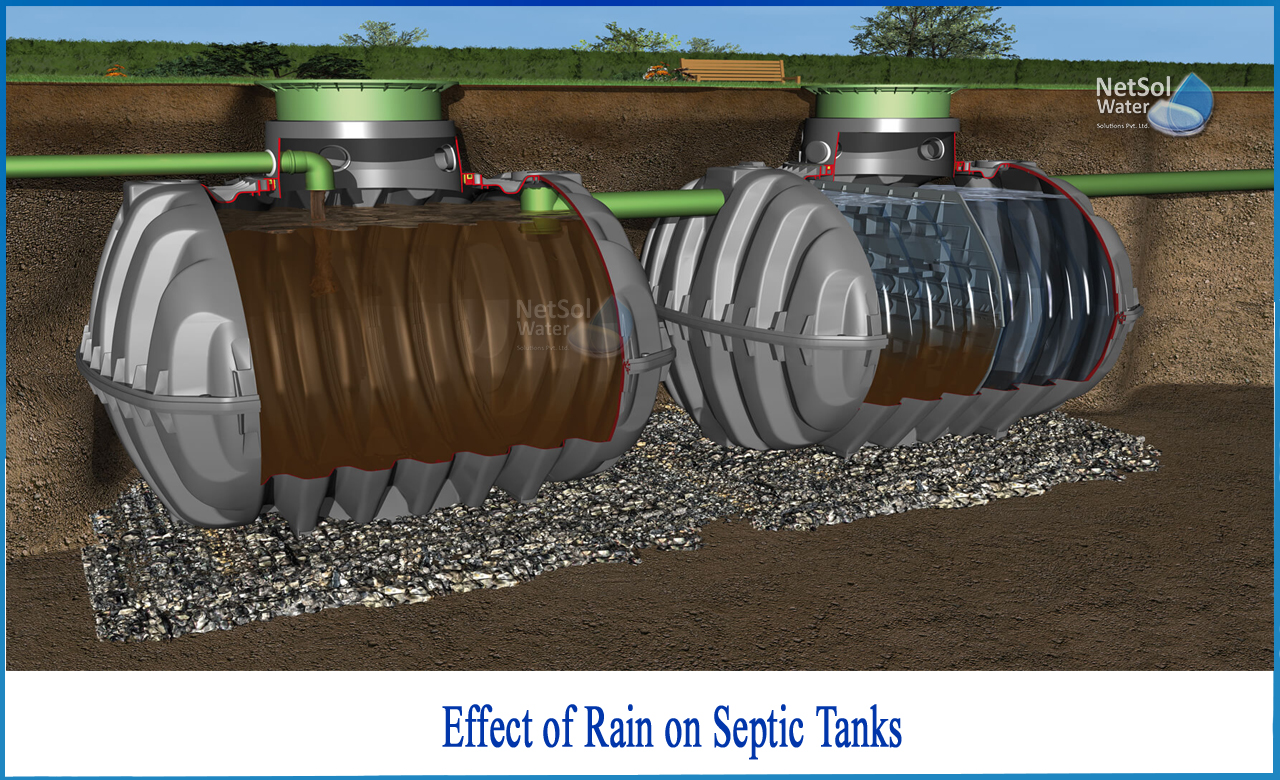
Regular pumping is your best friend here. How often depends on your household size and tank capacity, but generally every 3-5 years is a good ballpark. It keeps sludge from building up and giving you nasty surprises. And speaking of surprises, know where your tank and drain field are. Seriously, it helps!
Also, be mindful of what goes down the drain. Septic systems are awesome, but they're not indestructible. Avoid pouring grease, harsh chemicals, or non-biodegradable items down there. Treat it nicely, and it’ll treat you nicely (which, in this case, means no mysterious yard bubbles!).
So, the next time the skies open up and your yard starts to look suspiciously like a hot tub for gnomes, you’ll know what’s going on. It’s a sign, not a sentence. A little awareness and some proactive steps, and you’ll have that bubbly situation under control in no time. You got this!