How Likely Are You To Be Struck By Lightning

There's something inherently thrilling, a little terrifying, and utterly captivating about a lightning strike. It's one of nature's most dramatic displays, a raw burst of power that lights up the sky and shakes the ground. We've all seen the dazzling bolts, heard the thunderclap, and perhaps even felt that slight tingle of fear or wonder. This natural curiosity often leads to a popular question: "What are the chances I'll actually get struck by lightning?"
It's a question that's fun to ponder because it taps into our fascination with extreme, rare events and our personal sense of luck (or unluck!). But beyond the curiosity, understanding the true likelihood isn't just a party trick; it's genuinely useful. By demystifying the odds, we can replace vague anxieties with factual understanding and, crucially, learn how to stay safe without living in irrational fear. The purpose of diving into this topic is to equip you with both knowledge and practical tips, ensuring you can enjoy the beauty of a thunderstorm from a safe distance.
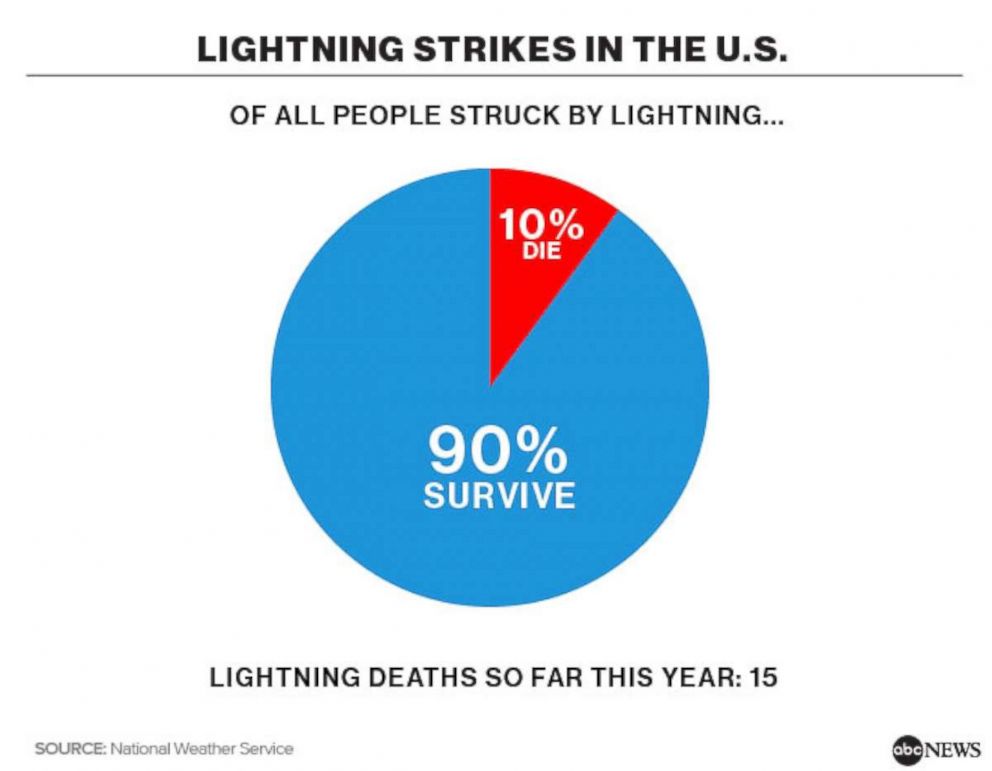
So, let's get to the electrifying truth! The good news is, the odds of being struck by lightning in any given year are incredibly low. While exact figures can vary slightly depending on the source and region, the general consensus is that your annual risk is somewhere around 1 in 1,000,000. To put that into perspective, you're far more likely to die from a bee sting, or even from falling out of bed, than to be zapped by a lightning bolt this year! The lifetime odds (over an 80-year span) increase, but still remain quite slim, roughly 1 in 15,300. So, while it does happen, it's certainly not an everyday concern.
Must Read
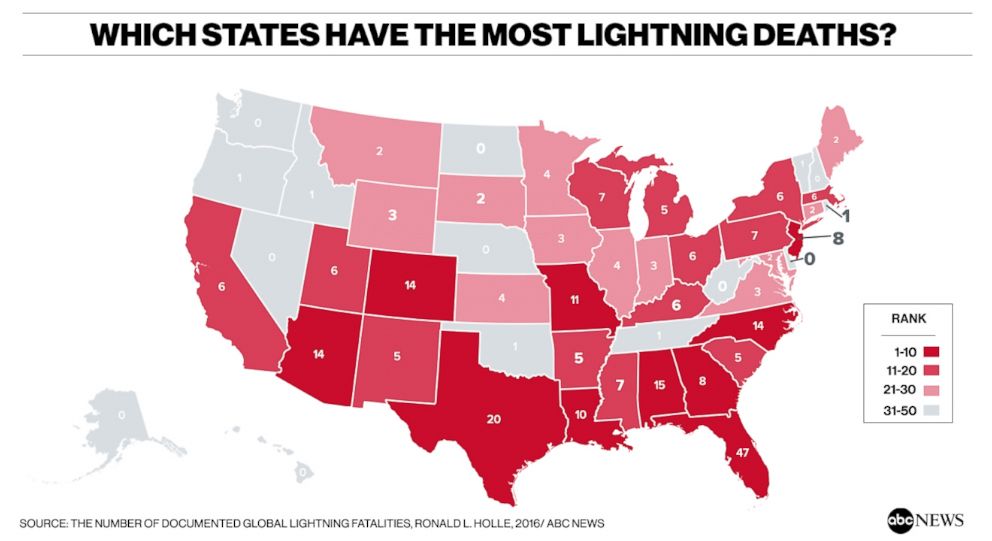
However, these are just averages. Your personal risk can be influenced by several factors. For instance, if you live in a state like Florida, often dubbed the "Lightning Capital" of the U.S., your chances are slightly higher. Similarly, certain professions or hobbies significantly increase exposure: construction workers, golfers, farmers, and anyone spending extended time outdoors during summer months are at a greater risk. It's not just about being outside, but where you are and what you're doing when a storm rolls in.

The vast majority of lightning strike fatalities and injuries occur because people are outdoors when a storm hits. This brings us to the most vital part: how to drastically reduce your risk. The golden rule is simple: "When thunder roars, go indoors!" If you hear thunder, lightning is close enough to strike you. Seek immediate shelter in a substantial building (not a picnic shelter or shed) or an enclosed, hard-topped vehicle. Avoid open fields, the tallest objects in an area, water, and metal fences or poles.
And here’s a crucial follow-up tip: once the storm seems to pass, don't rush back outside. Lightning can strike miles away from the rain, even on a sunny day. Wait at least 30 minutes after the last clap of thunder before venturing back out. While the odds of being struck are reassuringly low, understanding these simple safety measures ensures that you can admire nature's light show with respect and without unnecessary risk. Stay safe out there!