How Can You Check For Carbon Monoxide In Your Home

Our homes are wonderful, comforting spaces, often filled with familiar sounds and smells. But what about the things we can’t see, smell, or taste? It might sound a bit like a mystery novel, but getting curious about these invisible elements can be surprisingly engaging, and even more importantly, incredibly beneficial. Today, let’s shine a light on one such invisible guest: carbon monoxide, or CO, and discover how easy it is to become its personal detective right in your own living room!
Why bother? Well, carbon monoxide has earned the moniker of the "silent killer" for a very good reason. It’s a byproduct of incomplete combustion, meaning it can come from common household appliances like furnaces, gas stoves, water heaters, and fireplaces if they're not properly maintained or vented. The big problem is that it’s colorless, odorless, and tasteless, making it impossible to detect with our natural senses. Its purpose, then, is simple: to help us understand and actively prevent a serious health risk. The benefits of knowing how to check for CO are immense – we’re talking about ensuring the safety and well-being of everyone under your roof, from your tiny tots to your beloved pets. It’s about cultivating peace of mind, knowing you’ve taken a proactive step to protect your sanctuary.
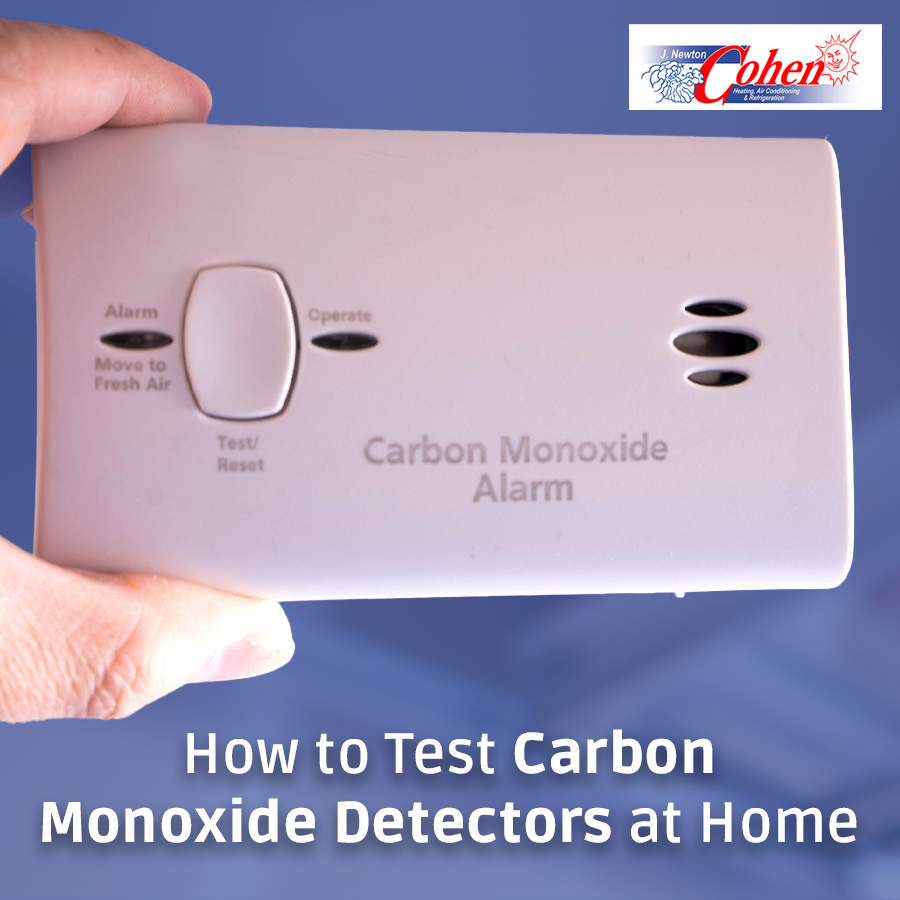
So, how do we become these household CO detectives? The primary tool in our investigative kit is the carbon monoxide detector. Think of it as a smoke detector’s often-overlooked cousin, but just as vital! These handy devices are readily available and come in various forms: battery-powered, plug-in, or even hardwired into your home's electrical system. For daily life, the most practical tip is to install these detectors near sleeping areas and on every level of your home. They're designed to sound a loud alarm if CO levels become dangerous, giving you and your family precious time to evacuate. This isn’t just about buying a gadget; it’s about understanding its role in a broader home safety strategy, which is a fantastic lesson for kids and adults alike. We’re empowering ourselves with knowledge and technology.
Must Read
Beyond the trusty detector, there are other practical ways to explore and ensure your home's safety. For instance, getting your heating systems, water heaters, and any other gas-fueled appliances professionally inspected annually isn't just a recommendation; it's a smart habit. These professionals can spot potential CO leaks before they become a problem. You can also become more aware of the subtle symptoms of CO poisoning, which often mimic the flu: headaches, dizziness, nausea, and fatigue. Recognizing these signs, especially if multiple people in the home experience them simultaneously, can be a vital internal "check."
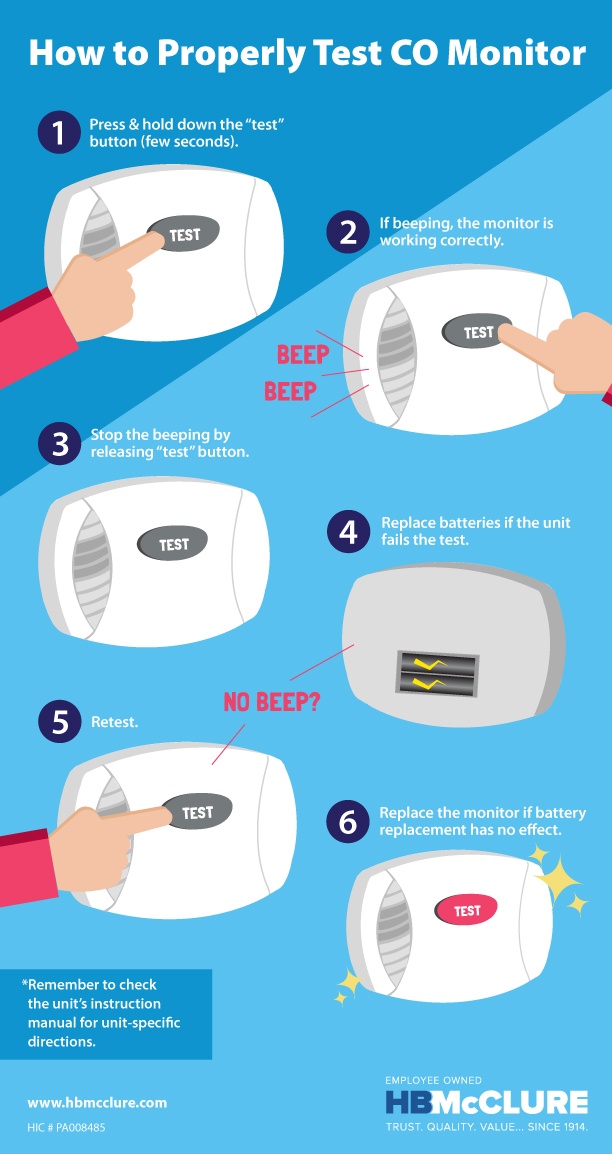
Here are some simple ways to incorporate this detective work into your routine: First, if you haven't already, go out and get some CO detectors. Seriously, it's a small investment for huge returns. Second, make a habit of pressing the "test" button on your detectors monthly – just like you do with smoke alarms. Third, check the expiry date on your detectors; they don't last forever, typically needing replacement every 5-7 years. Finally, always remember: never run a car in an attached garage, and never use charcoal grills or portable generators indoors. By embracing a little curiosity and taking these simple steps, you're not just safeguarding your home; you're becoming a more informed, responsible, and truly relaxed homeowner.