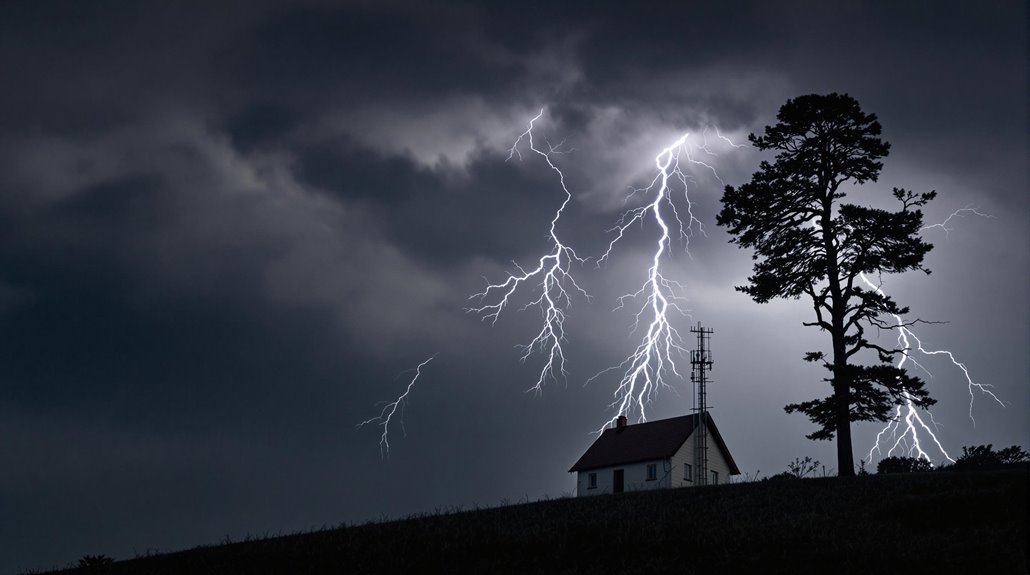
Can You Get Hit By Lightning In Your House

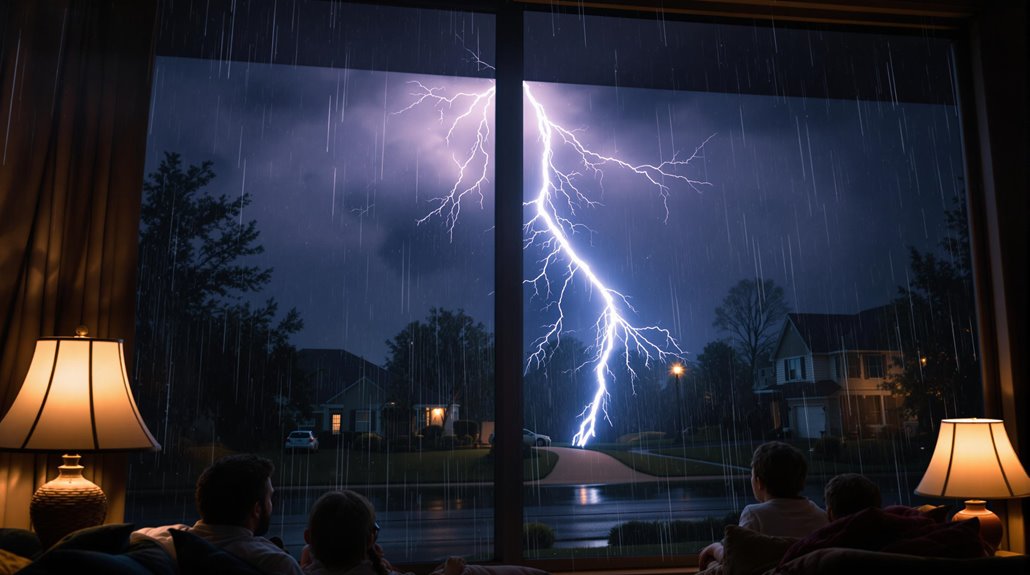
Okay, so picture this: You’re snuggled up on the couch, maybe a mug of something warm in hand, and outside, the sky is putting on a serious light show. Thunder rumbles, lightning flashes, and you can practically feel the house shiver. Suddenly, that little voice in your head, the one that asks all the silly questions, pipes up: “Hey, can I actually get hit by lightning in here? Like, right now?”
You’re not alone, friend. We’ve all had that fleeting thought, usually accompanied by a quick glance at the nearest window or, heaven forbid, a plugged-in phone. It’s a classic storm-time paranoia, right up there with wondering if your dog secretly judges your singing. But seriously, is it something we should actually worry about? Can that electrifying jolt really find its way to you, while you’re safely tucked away in your PJs?
Here’s the deal: getting hit by a direct lightning strike inside your house is about as likely as winning the lottery while simultaneously being crowned the world's best competitive eater. So, probably not. Your house, with its walls and roof, is actually a pretty good shield against a direct hit. Think of it as your personal lightning bodyguard, mostly. But – and here’s the big, dramatic, dum-dum-DUUUM moment – lightning is a sneaky little rascal. It doesn't always have to strike your roof directly to cause trouble. It loves a good conductor, and guess what your house is full of?
Must Read
Yep, you guessed it: metal. Wires. Pipes. All those lovely things that make modern life so convenient are also superhighway ramps for electricity. So, while you won't get zapped by a bolt literally bursting through your ceiling like a superhero villain, you can experience what’s called an indirect strike or a side flash. That’s when lightning hits something nearby – maybe a tree, a power pole, or even your neighbor’s roof – and then that massive electrical charge decides to take a little detour through your household plumbing or wiring to find the easiest path to the ground. And if you happen to be on that path? Zzzzap! Not ideal, to say the least.
Let's talk about the big one: showering during a thunderstorm. Everyone’s heard that advice, right? “Don’t shower when it’s storming!” And guess what? It’s not just an old wives’ tale to save on your water bill. It’s actually really good advice. Your plumbing system is essentially a giant network of metal pipes, perfectly designed to conduct electricity. Water is also a conductor (especially tap water with its impurities). So, if lightning strikes your house or even a nearby pipe system, that charge can travel through the pipes, through the water, and straight to you. You’re literally standing in a conductive metal box, surrounded by conductive water. It’s like a lightning magnet! So, when the thunder rolls, maybe hold off on that shampoo. Your hair will forgive you.
What about your electronics? Ah, the modern dilemma! Your phone, your laptop, that monster gaming rig – all plugged into wall outlets. And those outlets are connected to your house’s electrical system, which is, you guessed it, a prime target for lightning surges. A direct strike nearby can send a huge jolt of electricity down the power lines and into your home. This surge can absolutely fry your devices, and in some rare, unfortunate cases, it can deliver a shock to you if you’re holding a connected device. So, maybe put down the charging phone and pick up a book for a bit. It’s a good excuse for a digital detox, wouldn’t you say?
Even your good old landline phone (if you still have one, you retro legend!) is a potential hazard. Back in the day, that was a common way for lightning to get into homes, often causing nasty shocks. Most of us are cordless or cell-only now, which helps, but it just goes to show how lightning loves to piggyback on anything conductive.

And what about those windows? While it’s rare for lightning to actually burst through a window (that’s more Hollywood than real life), if you’re standing right next to one, you’re putting yourself at risk. Lightning can arc across gaps, and standing near a metal frame or even just being too close to the outside can be dangerous during a direct strike nearby. So, maybe admire the storm from a little further back, like a connoisseur of atmospheric drama.
So, what’s the takeaway here, besides maybe investing in a good book for storm days? Stay away from conductive things during a thunderstorm. Unplug important electronics. Don’t take a bath or shower. Avoid touching anything connected to the outside, like landline phones or even metal window frames. If you can hear thunder, you’re close enough to be in danger. The safest place to be is indoors and away from anything that conducts electricity.
Is it a common occurrence? No, absolutely not. The chances are still pretty low. But it's not zero, and a little awareness goes a long way. Think of it less as fear-mongering and more as a friendly reminder to give Mother Nature a little extra respect when she’s really letting loose. Better safe than sorry, especially when "sorry" might involve a very bad hair day and a fried Xbox. Now, about that coffee refill...