
Do Electric Blankets Use A Lot Of Electricity
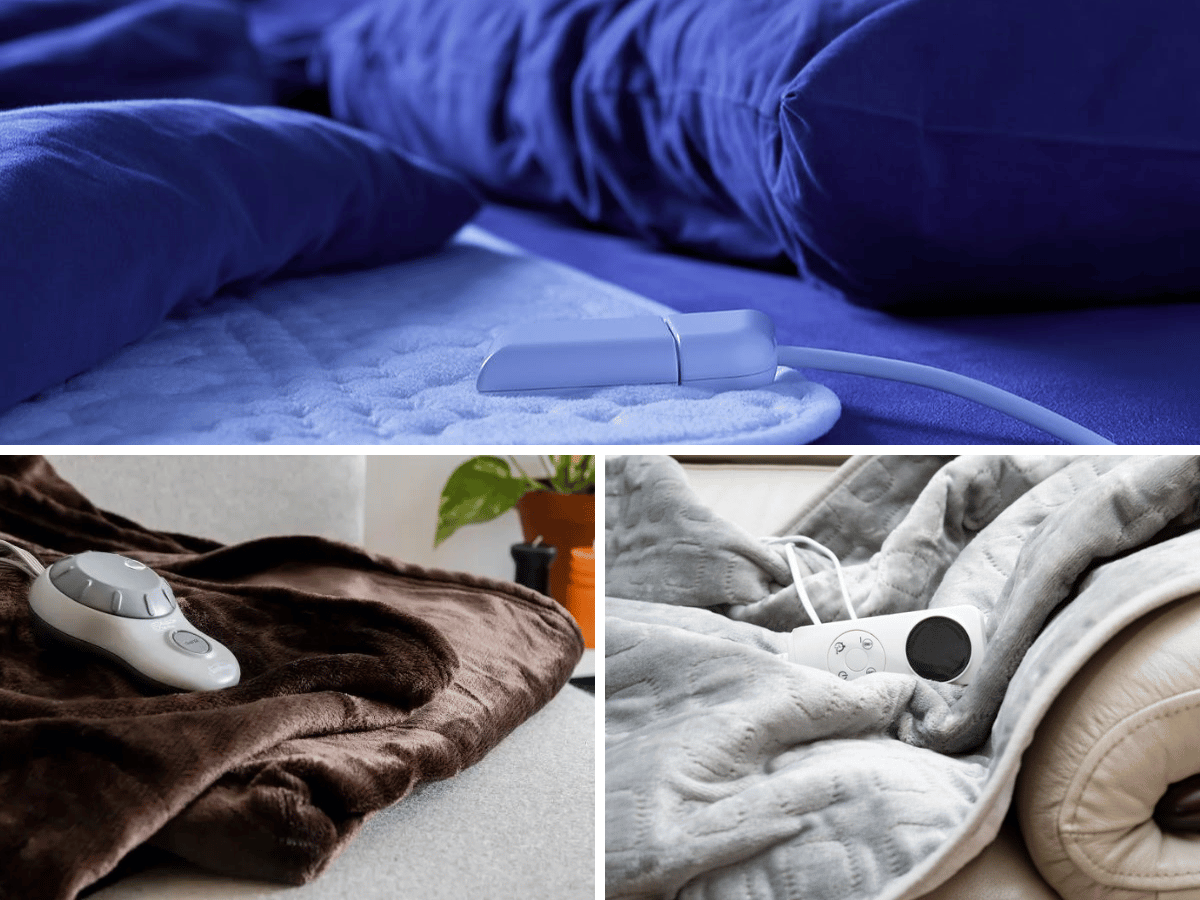
Ever snuggled into bed on a chilly evening, flicked on your electric blanket, and thought, "Hmm, I wonder how much juice this thing is actually sucking up?" It's a pretty common thought, right? We all love that instant, toasty warmth, but deep down, there's often a little whisper of concern about the electricity bill. Are we inadvertently running a mini power station in our bedroom?
Well, grab a warm drink and get comfy, because we're about to dive into the wonderfully cozy world of electric blankets and their energy habits. And spoiler alert: the answer might just make you smile.
The Big Question: Are They Energy Hogs?
Let's cut right to the chase, shall we? You might imagine your electric blanket guzzling electricity like a thirsty dragon. But here's the cool truth: for most electric blankets, the answer is a resounding "not really!" In fact, they are often surprisingly energy-efficient.
Must Read
Think about it: what are you trying to heat? Your entire bedroom? Or just you, in your bed? This is where the magic happens. Electric blankets are designed for personal, direct heat. They warm your body, not the air around you. This makes a massive difference in how much energy they need. They prioritize your immediate comfort over heating an entire volume of air, which is a game-changer for efficiency.
Why They're Such Clever Little Warmers
Imagine trying to heat your whole house just to feel warm under the covers. That's what a furnace or a traditional space heater does – it cranks up the temperature of all the air. Your electric blanket, however, is a master of targeted warmth. It's like having your own personal sunbeam right where you need it most.

Most electric blankets consume somewhere between 60 and 150 watts on average, depending on the size, age, and setting. To put that into perspective, a typical incandescent light bulb used to be 60 watts! A hairdryer or a microwave uses significantly more power when it's running, often well over 1000 watts. Even a basic space heater can easily chew through 1500 watts or more!
It's truly a case of "spot heating" done right. Picture trying to warm a giant ballroom with a single candle versus just holding that candle directly to your hands. That's the difference! An electric blanket is like that highly efficient, personal candle for your bed, giving you warmth exactly where it counts without wasting energy on the rest of the room.
Modern Marvels and Smart Savings
Today's electric blankets aren't just simple heating pads; they're pretty sophisticated. Many come with built-in thermostat controls, meaning they only draw power to maintain your chosen temperature. Once the bed is warm, they cycle on and off, much like your home's furnace, using even less electricity in the long run. This prevents continuous power draw.
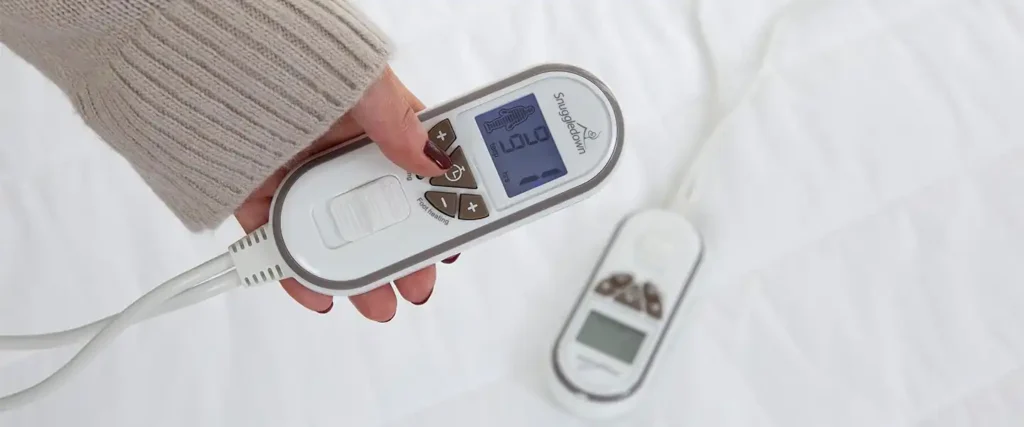
Then there's the beloved auto-shutoff feature. Ever worried you left it on all day? Modern blankets often turn themselves off after a set number of hours (typically 10-12). This isn't just a safety perk; it's an energy-saving superstar, ensuring you're not warming an empty bed for hours on end. Think of it like a smart thermostat for your bed – it learns when to work and when to chill out, ensuring you're only paying for warmth exactly when you need it.
And let's not forget the various heat settings. You don't always need it on the highest "toasty oven" setting. Dialing it down a notch or two can still provide incredible comfort while reducing power usage even further. It's all about finding your perfect sweet spot, and these modern features make that incredibly easy and efficient.

Practical Tips for Maxing Out Your Cozy-to-Cost Ratio
Want to be an electric blanket efficiency guru? Here are a couple of pro tips to squeeze even more warmth for your buck:
-
Pre-heat power: Turn your blanket on about 15-30 minutes before you hop into bed. By the time you're ready, your sheets will be wonderfully warm, making climbing in feel like pure bliss. This strategy uses the blanket's power most effectively, warming the sheets and mattress itself, which then holds that heat, allowing you to reduce or even turn off the blanket once you're snuggled under the covers, as your own body heat will help maintain the warmth.
-
Turn it off (or down) when you leave: If you're getting up for the day, there's no need to keep the blanket running. Or, if you're just popping out of bed for a few minutes, consider turning it to a lower setting or off entirely. Every little bit of conscious use helps!

How Much Electricity Does an Electric Blanket Use ⚡ -
Lower your main thermostat: This is where the biggest savings can happen! If you're toasty warm in bed thanks to your blanket, you can often lower your home's central heating thermostat by a few degrees overnight. Heating less air in your entire house translates to much bigger savings than anything your electric blanket might consume. It's a fantastic way to enjoy the best of both worlds: a wonderfully warm bed and a slightly lower overall heating bill.
So, the next time you're nestled under the glorious warmth of your electric blanket, rest easy. You're not secretly bankrupting yourself with a hidden energy monster. Instead, you're embracing a pretty smart, cost-effective, and wonderfully comfortable way to stay warm.
It's one of those delightful little luxuries that doesn't come with a massive guilt trip for your wallet or the planet. So go ahead, crank up the cozy, and enjoy those chilly nights!