What To Do When A Carbon Monoxide Alarm Goes Off

Let's talk about something that, while perhaps not "fun" in the roller-coaster sense, is absolutely empowering and critically useful for anyone with a home, an apartment, or even an RV: knowing exactly what to do when your carbon monoxide (CO) alarm decides to pipe up. Think of it less like a chore and more like mastering a life skill that provides immense peace of mind. It’s like knowing where your first-aid kit is, but for an invisible, odorless danger. Having a plan isn't about inviting trouble; it's about being prepared, making you feel confident and capable in your own space.
This isn't just a topic for seasoned homeowners; it's got benefits for everyone! For beginners or new renters, understanding your CO alarm is part of truly settling into your space and feeling responsible for your safety. It's a fundamental part of home appliance literacy. Families especially benefit from a clear action plan. Parents can rest easy knowing they've got a protocol to protect their little ones, and even older kids can be part of the safety briefing. And for the hobbyists out there – whether you're tinkering in a garage with a space heater, enjoying a cozy RV trip, or spending time in a cabin with a generator – knowing these steps extends your safety bubble beyond the four walls of your main home. It’s about being prepared wherever your adventures take you.
Carbon monoxide is often called the "silent killer" because it's impossible to detect with our senses. Unlike a smoke detector that screeches at the smell of burnt toast, a CO alarm is your only warning for this insidious gas. There are variations in how these alarms are powered – some are battery-operated, others plug into outlets, and some are hardwired into your home's electrical system. Regardless of the type, their purpose is the same: to alert you to danger. It's important to remember that a CO alarm is not a smoke detector, and vice versa. Each has its own vital job.
Must Read
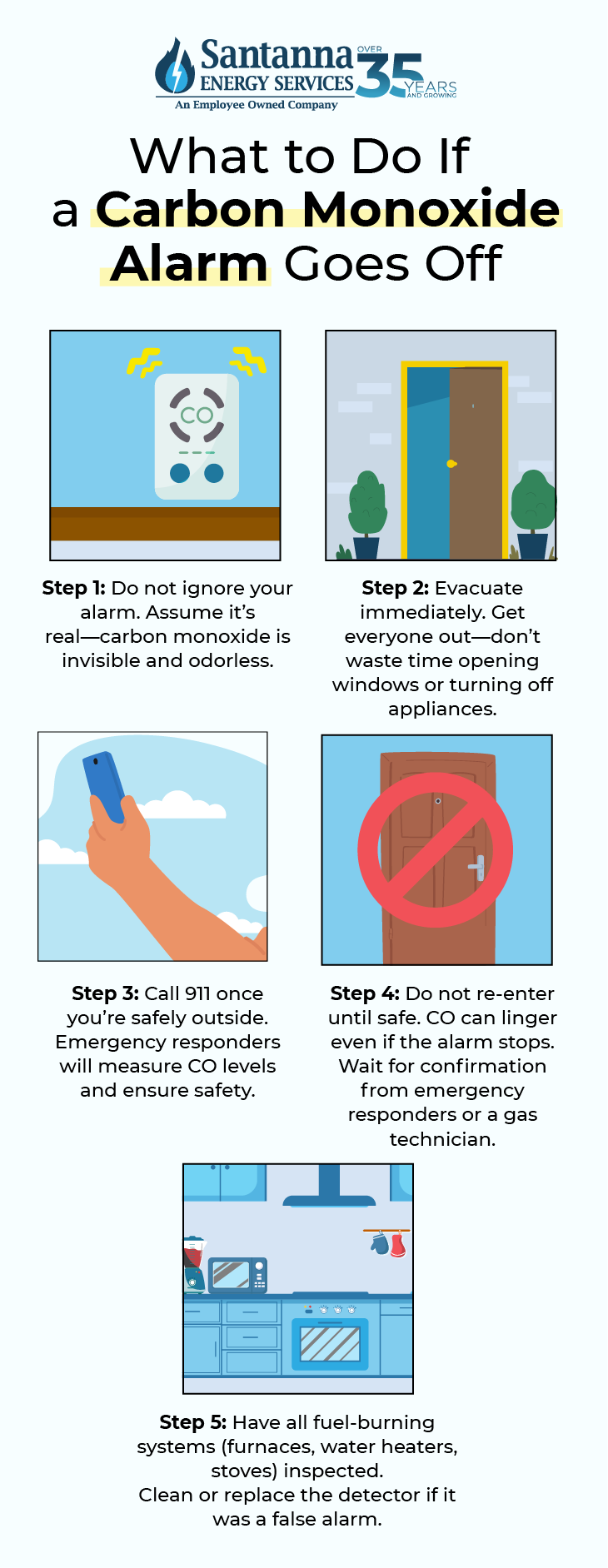
So, what do you do when that distinctive chirp or blare goes off? Here are some simple, practical tips to get started and stay safe:
- Don't Ignore It! This is the most crucial step. Never assume it's a false alarm or a low battery chirp (though you should test and replace batteries regularly).
- Evacuate Immediately: Get everyone, including pets, out of the house as quickly and calmly as possible. Don't waste time gathering belongings. Fresh air is your priority.
- Call for Help: Once outside and at a safe distance, call 911 or your local emergency services. Tell them your CO alarm is going off. Even if you feel fine, carbon monoxide poisoning can cause symptoms that mimic the flu, and levels can escalate quickly.
- Stay Out: Do not re-enter your home until emergency responders have given you the all-clear. They have specialized equipment to test CO levels safely.
- Identify the Source (Later): The fire department will help you find the source of the CO leak, which could be a faulty furnace, water heater, gas stove, or even a blocked chimney.
Knowing these steps isn't just about avoiding a scary situation; it’s about fostering a profound sense of security and readiness. There's true value in feeling competent and prepared for life's unexpected moments. Embrace the knowledge, share it with your household, and enjoy the peace of mind that comes with being truly safe in your own home.