
Best Smoke Detectors And Carbon Monoxide Detectors

Okay, let's talk about something that's probably not on your Pinterest board or your weekend DIY to-do list, but absolutely should be: your smoke and carbon monoxide detectors. We get it, they're not exactly glamorous. They don't have sleek Scandinavian designs (unless you spring for a smart one, which we'll get to!). But here's the thing: they are the unsung heroes of your cozy abode, the silent guardians of your peace of mind.
Think of them less as boring necessary evils and more as the ultimate home upgrade for your inner calm. Like a really good mattress or a perfectly tuned HVAC system, they work tirelessly in the background, ensuring that your home remains your sanctuary, no matter what surprises life throws your way.
Why Bother? The Peace-of-Mind Factor
Nobody wants to think about house fires or the invisible threat of carbon monoxide (CO). It’s not exactly dinner party chatter. But ignoring these potential dangers is like trying to enjoy a latte while a tiger lurks in your living room – utterly impossible! Did you know that most fire fatalities occur in homes where smoke alarms are either non-existent or non-functional? And CO poisoning? It’s often called the "silent killer" because it’s odorless, colorless, and tasteless. Yikes!
Must Read
Having reliable detectors isn't about being paranoid; it's about being proactive. It’s about creating a safe haven for yourself, your loved ones, and even your furry friends. It’s the ultimate "better safe than sorry" move.
The Dynamic Duo: Smoke & Carbon Monoxide
While often bundled together, smoke and CO detectors are actually looking for two very different threats:
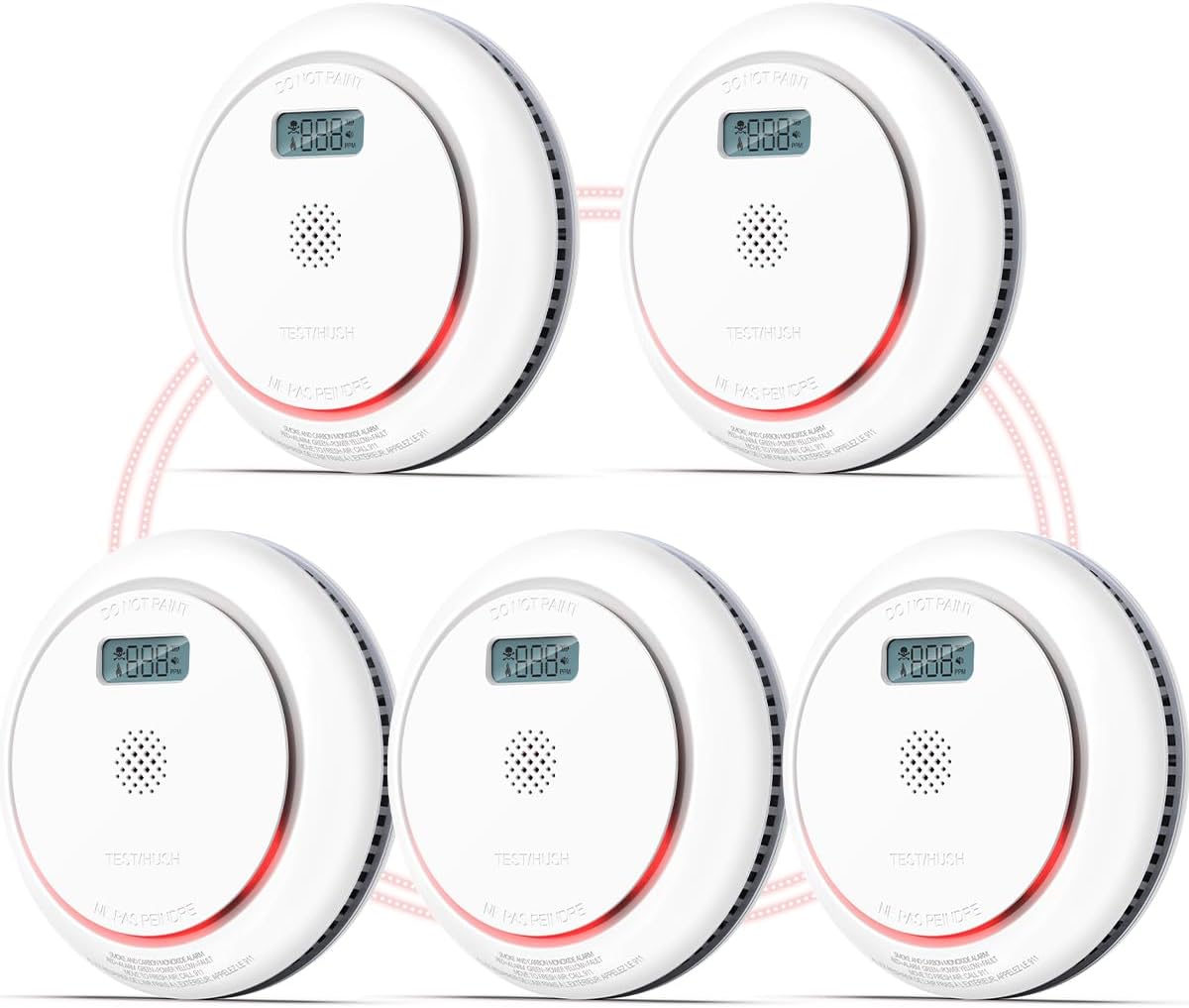
- Smoke Detectors: These guys are on the lookout for, well, smoke! There are two main types:
- Ionization alarms are generally quicker to detect flaming fires that produce less visible smoke.
- Photoelectric alarms are better at sensing smoldering fires, which often create thick, black smoke.
- Carbon Monoxide (CO) Detectors: These are specifically designed to sniff out that sneaky, invisible CO gas, which can be produced by faulty furnaces, water heaters, gas ranges, or even clogged chimneys. Since you can't see or smell it, a detector is your only warning.
Choosing Your Champions: What to Look For
Gone are the days of just one generic, off-white disc. Today’s detectors come with some seriously smart features:
Power Play:

- Battery-powered: Easy to install, but remember the annual battery change! That infamous "chirp" that wakes you up at 3 AM is your alarm's way of saying, "FEED ME!"
- Hardwired with battery backup: The gold standard. They're connected to your home’s electrical system and have a battery backup for power outages.
- Sealed 10-year battery: Our personal fave! These units have a non-replaceable, long-life battery that lasts for a decade. No more frantic battery swaps!
Smart Home Integration: For the tech-savvy, a smart smoke and CO detector (like the popular Nest Protect) can be a game-changer. They connect to your Wi-Fi, send alerts to your phone, and can even integrate with other smart home devices. Imagine getting an alert on your phone if something's amiss while you're out – now that's convenience!
Combined Units: Many modern detectors offer both smoke and CO detection in one sleek unit. It's a space-saver and simplifies installation.
Placement & Maintenance: The Nitty-Gritty
So, you've picked out your champions. Now, where do they go, and how do you keep them fighting fit?
Where to Place Them:
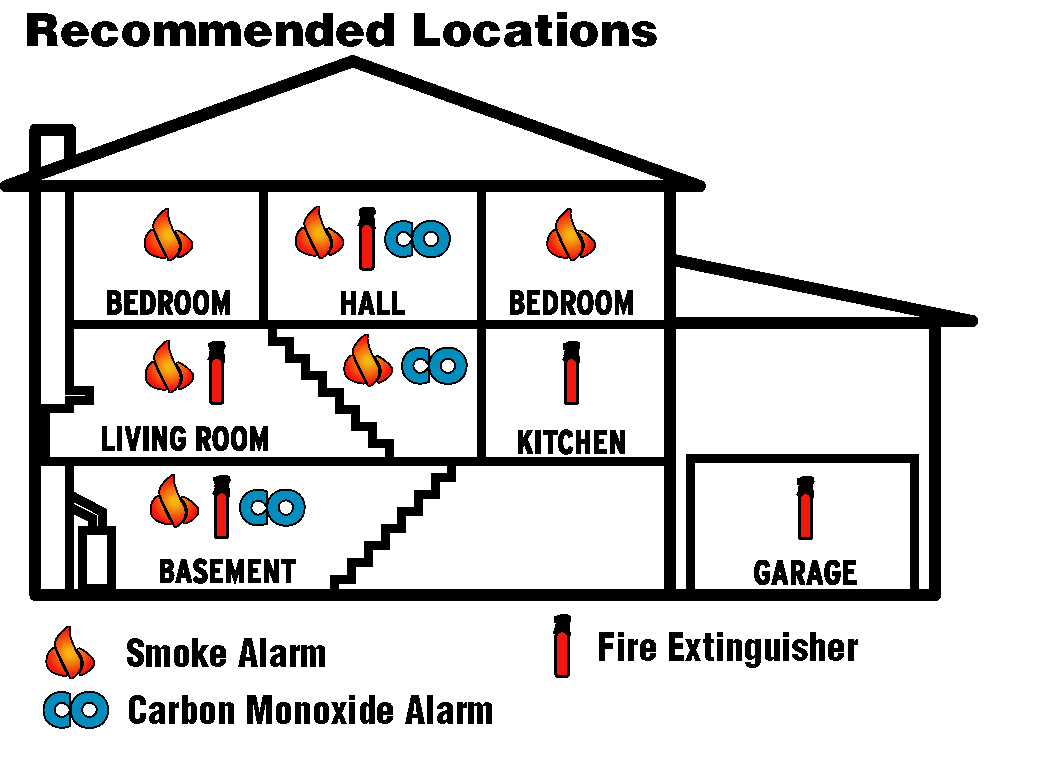
- Smoke: Install on every level of your home, including the basement. Place one inside each bedroom and just outside sleeping areas. Mount them high on walls or on ceilings.
- Carbon Monoxide: Also on every level, especially near sleeping areas. Since CO mixes evenly with air, you can install them at various heights, but often closer to the floor or at standard outlet height is recommended for plug-in units.
- Avoid: Kitchens (steam and cooking fumes can cause false alarms), garages (car exhaust!), and bathrooms (humidity).
Keep Them Humming:
- Test Monthly: Press that "test" button every month! It only takes a second to ensure they're working.
- Change Batteries Annually: If you don't have 10-year batteries, mark your calendar! A great trick is to change them when you adjust your clocks for Daylight Saving Time.
- Replace Units Every 7-10 Years: Yes, they expire! The sensors degrade over time. Check the manufacturer's date on the back of your detector. It’s an essential safety upgrade.
Your Home, Your Sanctuary
Investing in quality smoke and carbon monoxide detectors isn't about dreading disaster; it's about celebrating your home as a safe haven. It's a fundamental part of creating a comfortable, secure environment where you can truly relax and thrive.
In a world full of unknowns, taking these small, practical steps to protect your space and loved ones brings a profound sense of calm. It's not just a device on the wall; it's a quiet testament to caring, a tiny beacon of preparedness that lets you enjoy the everyday moments, knowing that the big stuff is taken care of. So go ahead, check those detectors. Your future self (and your inner peace) will thank you.