
Why Are There Balloons On Power Lines

Okay, so picture this: you're strolling down the street, minding your own business, maybe humming a little tune about sunshine and rainbows, when BAM! You spot it. A rogue balloon, clinging for dear life to a power line like a desperate stowaway on a high-voltage cruise ship. What's up with that?
It's a question that has plagued philosophers, bewildered pigeons, and probably even a few squirrels. The answer, my friends, isn't some grand conspiracy involving sentient balloons plotting to overthrow the electricity grid. (Although, wouldn't that be a movie? "Attack of the Party Balloons!")
No, the truth, while less dramatic than a balloon uprising, is surprisingly simple – and kind of sad, when you think about it. Balloons just... float away. Like little escaped prisoners of joy.
Must Read
The Great Balloon Escape
Think about it. You're at a birthday party. You've got a fistful of helium-filled balloons, probably shaped like your favorite cartoon character or a sparkly unicorn. Then, tragedy strikes! A gust of wind, a moment of distraction, and poof! One slips from your grasp, soaring skyward like a tiny, rubbery rocket fueled by disappointment.
Now, where does it go? Not to balloon heaven, I'm afraid. Instead, our wayward balloon embarks on a perilous journey, buffeted by winds, dodging birds (who probably think it's a delicious, albeit inedible, fruit), and slowly losing altitude as its helium escapes. It's basically the balloon version of "Cast Away," but with more confetti.

Eventually, gravity wins. Our balloon, tired, deflated (both literally and figuratively), descends. And wouldn't you know it, smack-dab in its path: a nice, inviting power line.
Why power lines? Well, they're everywhere. Like giant, metallic spiderwebs strung across the landscape. They're also conveniently located high in the air, which is where balloons tend to be. It's practically a statistical certainty that a significant percentage of escaped balloons will eventually make contact with these elevated conductors of electricity.
Static Cling: The Balloon's Sticky Situation
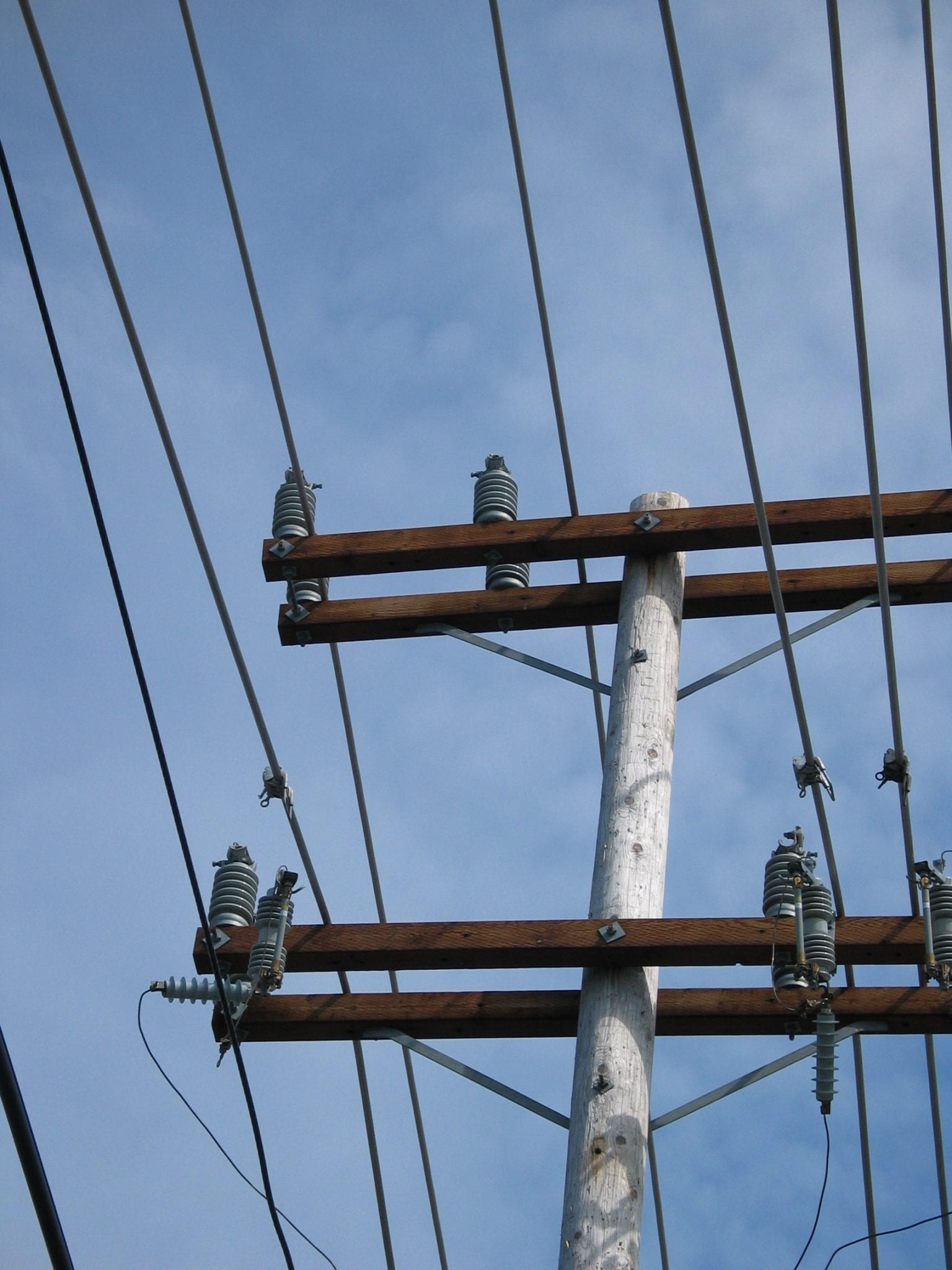
But it’s not just proximity. There's a little thing called static electricity at play here. Power lines generate an electromagnetic field, which can attract the balloon. Think of it like a really strong magnet pulling a refrigerator magnet, only instead of displaying a pizza menu, the refrigerator is a power line and the magnet is a deflated birthday balloon. A bit of a letdown, really.
The balloon, being made of rubber or foil, can also hold a static charge itself, especially after rubbing against things in the air (like… more air!). This creates an even stronger attraction, making it even more likely to stick. It’s the same reason your socks cling to your pants after you pull them out of the dryer. Only on a much grander, more electrically charged, scale.
And once it’s there, it’s tough to get it off. Wind might blow it around, but it’s often wedged in there good and tight. Like trying to remove a particularly stubborn piece of gum from the bottom of your shoe… only, you know, with a much higher risk of electrocution if you try to intervene. Don't do that! Seriously!
The (Surprisingly) Serious Consequences
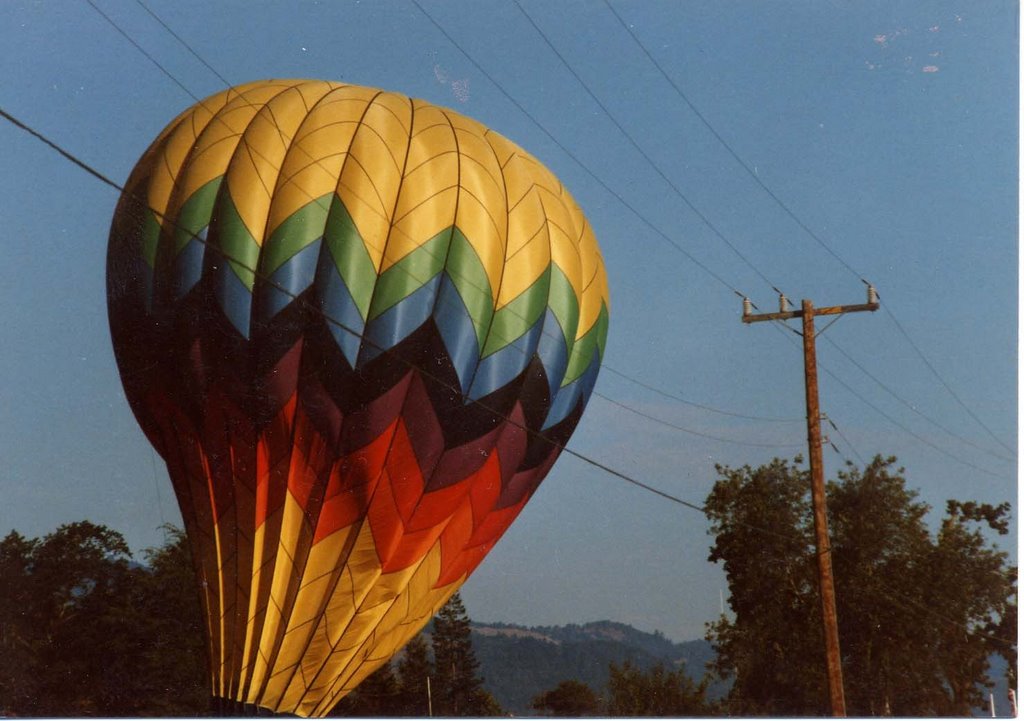
Okay, so balloons on power lines might seem like a quirky nuisance, but they can actually cause some problems. While a single balloon usually won’t cause a massive power outage, a buildup of balloons (especially metallic ones) can disrupt the flow of electricity, leading to power flickers or even localized outages. Imagine your internet going down right in the middle of your favorite online game! The horror!
Furthermore, those metallic balloons? They're the real troublemakers. Metallic balloons conduct electricity, making them a greater fire hazard and potential cause of short circuits. So, while they might look pretty floating around, they're basically tiny, sparkly electrical grenades just waiting to go off.

So, What Can We Do?
The solution? It's simple, folks: tie your balloons down! And when you're done with them, pop them and dispose of them properly. Don't just release them into the wild to become urban tumbleweeds of regret.
Think of it as your civic duty. You'll be saving the power grid, protecting the environment (balloons are not biodegradable, by the way – they're basically plastic ghosts haunting the sky), and preventing pigeons from having existential crises. All by simply being a responsible balloon owner. You’ll practically be a superhero!
So, the next time you see a balloon clinging to a power line, remember this story. And maybe, just maybe, shed a single tear for the little guy (or gal) who just wanted to experience the world but ended up stuck in a high-voltage predicament. Then, go home and make sure your balloons are securely tied down. The power grid – and the pigeons – will thank you for it.