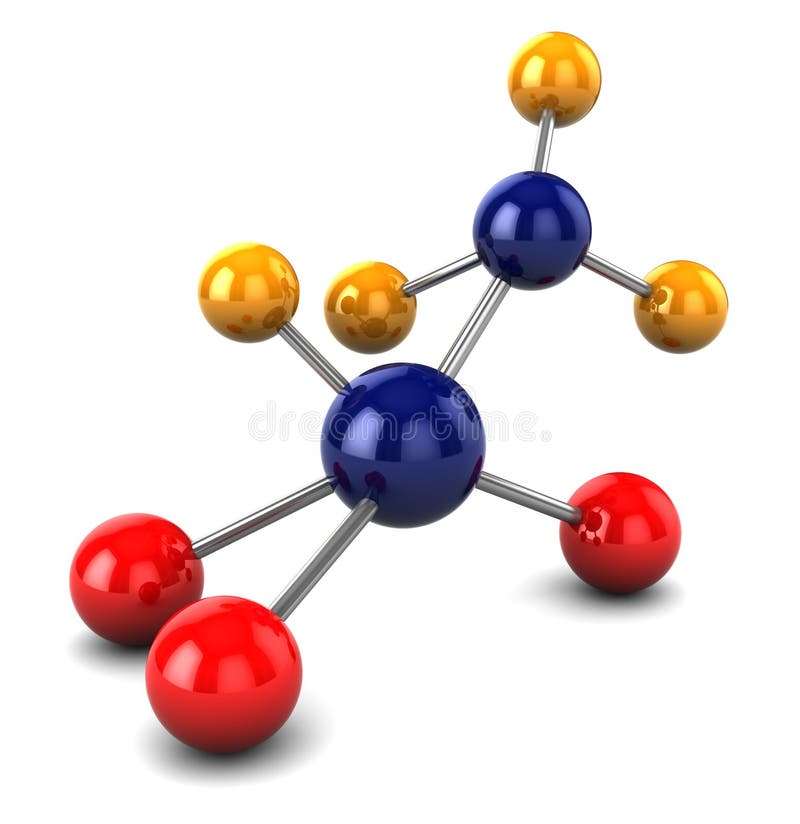
What Type Of Molecule Is Represented By The Model Below
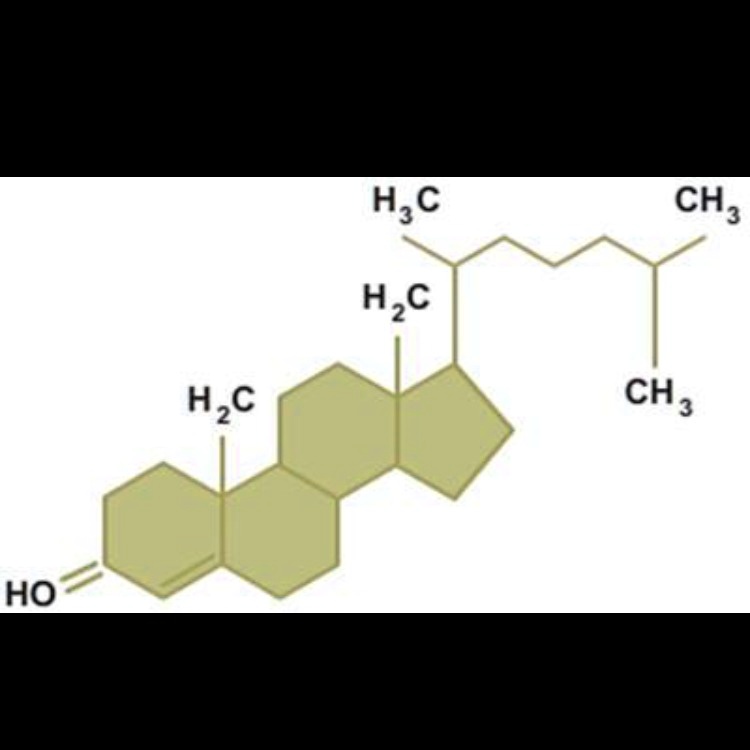
Okay, picture this: you're staring at a model. Little balls of different colors all stuck together with tiny sticks. It looks vaguely like something you might have built with LEGOs when you were five, only… more scientific. Someone probably just asked you, with a perfectly straight face, "What type of molecule is represented by the model below?" Don’t panic! Let’s talk about what that likely is!
A Sweet, Sweet Hint
If the model in question looks like a six-sided ring (a hexagon) with some extra bits hanging off it, chances are excellent you're looking at a sugar molecule. Yes, the same sugars that make your coffee taste amazing, or fuel your late-night study sessions, or… well, rot your teeth if you're not careful. Sorry, had to say it. Blame my mom.
But seriously, sugars are everywhere. They're the backbone of life as we know it. Plants use them for energy, animals (including us!) use them for energy, and even bacteria need a little sugary goodness to thrive (which is partly why we brush our teeth, remember?).
Must Read
And get this: those little balls of different colors? Each color represents a different element, like carbon (often black), hydrogen (usually white), and oxygen (typically red). They're all bonded together in a specific way to create the sugar molecule. Think of it like following a recipe – change the ingredients or the order, and you end up with something completely different (and possibly inedible).
Not All Sugars Are Created Equal (And That's Okay!)
Now, before you start thinking all sugars are the same, let me clarify. There are lots of different types of sugars. Glucose, fructose, sucrose, lactose… the list goes on and on. Each one has a slightly different structure, which affects how our bodies use it (and how sweet it tastes). Glucose, often described as blood sugar, is like the body's favorite fuel source. Fructose, found in fruit, is much sweeter. And sucrose? That's your classic table sugar, made of glucose and fructose bonded together. Lactose? Yep, that's the sugar in milk!
"The only thing sweeter than sugar is probably learning about it!" - Some Scientist, Probably.
It’s a family, really. Like cousins who have similar facial features but have totally different personalities.
A Surprising Role in DNA?
Here's a fact that might blow your mind: sugars are also crucial components of DNA and RNA, the molecules that carry our genetic code. Talk about a sweet heritage! These sugars aren't the same as the ones we sprinkle on our cereal, but they’re sugars nonetheless. They form the backbone of the DNA and RNA strands, providing the structural support for the genetic information that makes you, well, you!
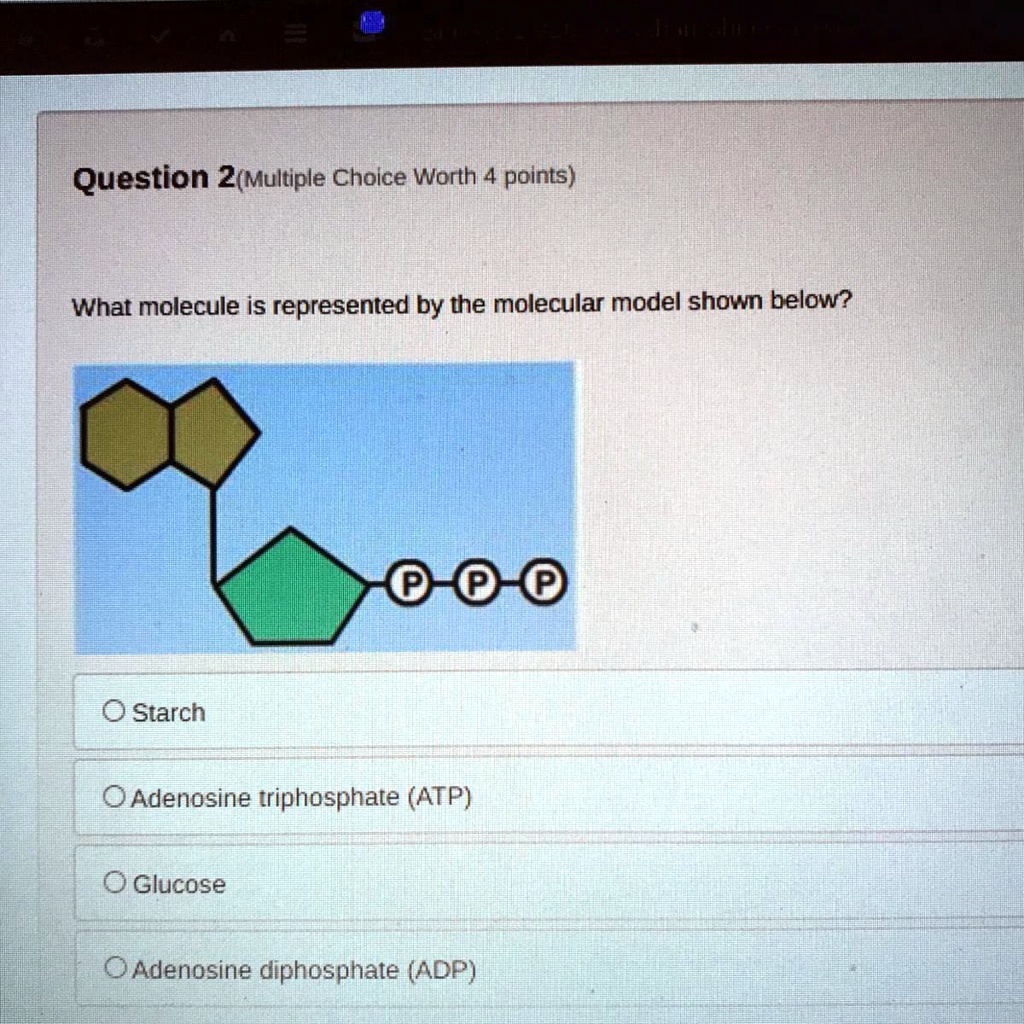
So next time you see a model of a molecule that looks like a colorful, slightly awkward hexagon, remember it's probably a sugar. And remember all the amazing things sugars do, from fueling your body to holding your genetic code together. They’re not just empty calories; they’re essential building blocks of life. Though, moderation is still key, so maybe go easy on that second slice of cake. Unless it's your birthday, then go wild!
From that simple Lego-esque visual, one may have been given a window to the complexity and necessity of one of the most misunderstood, yet most critical, molecules that is essential to our existences and our DNA.
Who knew that molecules could be so heartwarming? So take the next time you feel a pang for something sweet, and remember all of these functions that molecules play!