Picture this: a tiny bit of panic. Maybe a sizzling pan, maybe a rogue spark near some wires. Your eyes dart around the room. Ah, there it is! That trusty red cylinder, waiting patiently. But wait, which one do you grab? And more importantly, what exactly is that fancy CO2 extinguisher actually good for?
Let's talk about fire classes. It sounds super official, like something out of a secret agent manual. But it’s just a way to categorize different kinds of fires. Because, let's face it, a burning pile of newspapers is very different from a flaming puddle of gasoline, right?
The Official Line: Classes B and C
The textbooks, the safety manuals, the very stern-looking fire marshal – they all agree. The CO2 extinguisher is officially rated for two main classes: Class B and Class C. End of story. Or is it? We appreciate a good rule, but sometimes, don't you wish things were a little more... versatile?
Let's break down these two VIP fire classes that CO2 absolutely adores:
Class B: The Flammable Liquid Fun!
Think gasoline, oil, paint, solvents. If it’s a liquid that wants to catch fire and doesn't leave an ash, that's a Class B fire. These can be tricky because they spread fast!
Carbon Dioxide Fire Extinguishers
A CO2 extinguisher tackles these like a pro. It works by smothering the fire. It displaces the oxygen that the flames need to survive. Poof! No oxygen, no fire. And because CO2 is a gas, it doesn't splash the burning liquid around, which is a huge plus when you're already in a panic.
Class C: The Zappy Electrical Sparks!
This is where CO2 really shines! Any fire involving live electrical equipment – appliances, wiring, motors – is a Class C fire. These are extra dangerous because water and some other chemicals can conduct electricity, giving you a nasty shock.
The CO2 extinguisher is your absolute best friend here. It's non-conductive, so no worries about getting zapped. Plus, it leaves absolutely no residue. Imagine putting out a computer fire with a messy chemical extinguisher. You'd save the computer from flames, only to ruin it with gunk! Not with CO2. It’s the clean choice for electrical blips.
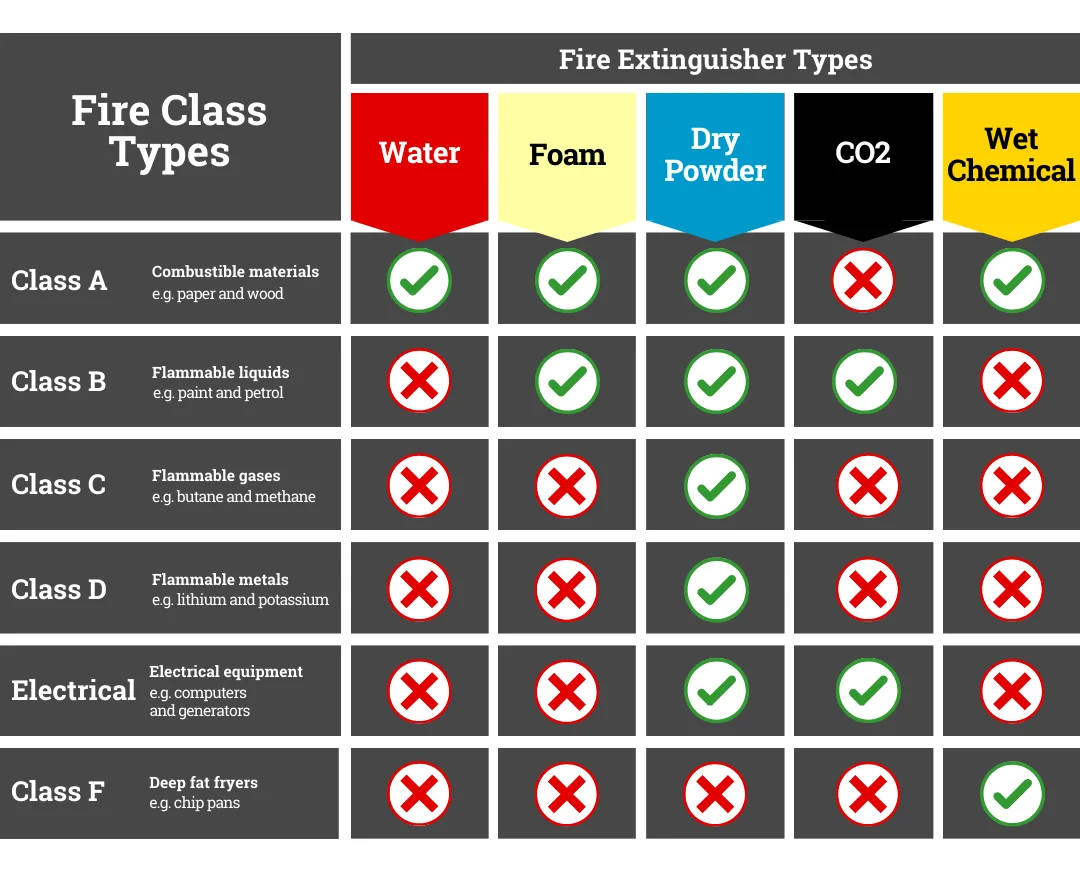
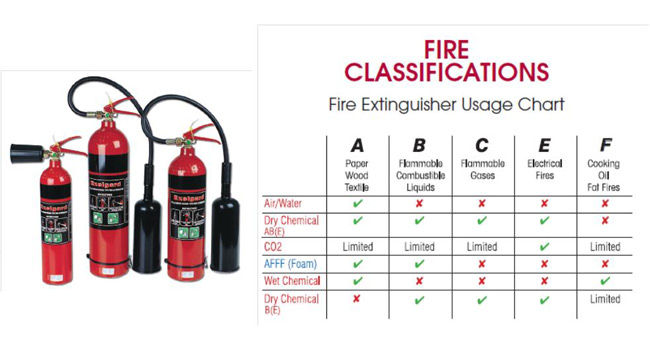
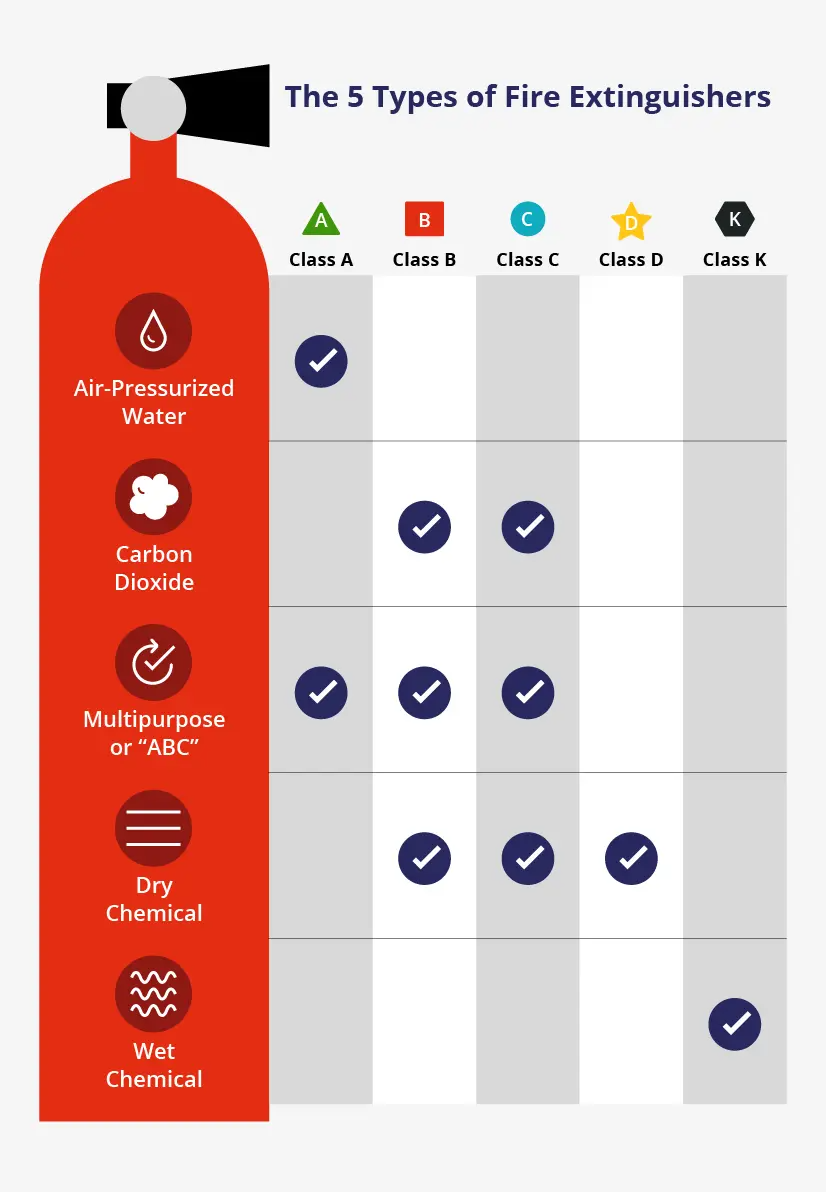
Extinguisher Classifications
The Unpopular Opinion (Kind Of)
So, the experts say Class B and Class C. And they are completely, utterly, 100% correct. But here's the thing. CO2 is so incredibly effective and clean for these specific fire types, you almost feel like it's being pigeonholed. It's like having a world-class sprinter, and only letting them run 100-meter dashes. You just know they've got more in them!
We know, we know. Fire safety is serious business. And you should always use the right tool for the job. But isn't it fun to imagine?
Understanding Categories Classes of Fires: Risks, Prevention & Response'
What about Class A fires? That's your everyday stuff: wood, paper, fabric, trash. CO2? Not so much. It displaces oxygen, but it doesn't cool the fuel enough. So, the fire might appear out, only to reignite moments later. That's a classic case of 'false alarm' and definitely not what you want.
And Class K (cooking oils and fats, like deep fryers)? Nope. CO2 can actually spread super-hot grease! Definitely a no-go.
Then there's Class D (flammable metals). Those require very special agents, so a CO2 extinguisher would just be confused.
Co2 Fire Extinguisher Classification at Shannon Mcelroy blog
So, What's the Takeaway?
Our trusty CO2 extinguisher is a specialist. It’s like the highly skilled surgeon of the fire-fighting world. It doesn't do everything, but what it does do, it does brilliantly. Especially for those tricky electrical fires and flammable liquid spills, where cleanliness and non-conductivity are key.
So next time you see that sleek red cylinder with the big horn, give it a nod. It might only officially fight Class B and Class C fires, but it does it with such flair and precision, you can't help but admire its dedication to its chosen field. And maybe, just maybe, wish it could take on the world!