
What Does Toma Mean In Spanish
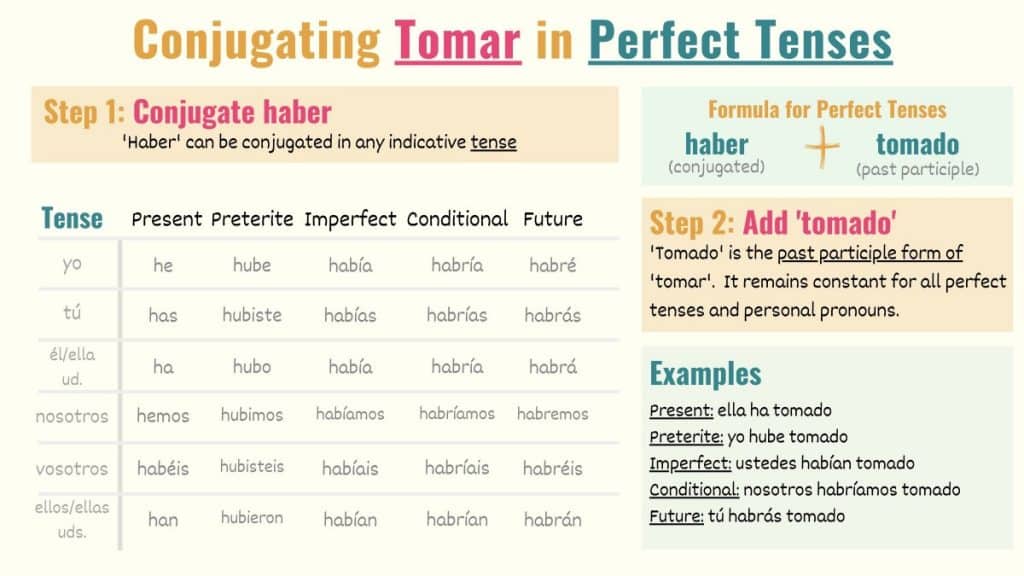
Learning a new language is like unlocking a secret door to a whole new world. You get to experience different cultures, connect with people on a deeper level, and even appreciate your own language in a fresh way. And one of the most exciting parts is deciphering those little words that seem to pop up everywhere. So, you're hearing "Toma" in Spanish and wondering what's the deal? Let's dive in!
Essentially, "Toma" is a versatile little word in Spanish that primarily translates to "take" in English. But like many words, its meaning shifts slightly depending on the context, adding nuance and color to the language. Understanding these nuances can make a huge difference in your comprehension and fluency.
The benefits of understanding "Toma" extend far beyond simply translating a single word. It's about grasping the underlying verbs and their conjugations, which are the backbone of any language. It also helps you appreciate the idiomatic expressions and cultural connotations associated with the word. Think of it like this: knowing "Toma" is like understanding a core piece of a jigsaw puzzle, allowing you to fit other pieces around it more easily.
Must Read
So, how is "Toma" used in everyday life? You'll hear it in countless scenarios! For example: "Toma este libro" means "Take this book." It's a straightforward command. But you might also hear "¡Toma!" exclaimed in surprise or as a challenge, similar to saying "There!" or "Take that!" in English. Imagine someone finally succeeding at a difficult task – they might triumphantly shout "¡Toma!". Another common use is "Toma asiento" which is a polite way to say "Take a seat" or "Have a seat." You might also encounter "Tomar el sol" which means "to sunbathe," literally "to take the sun." See how the meaning subtly changes?

Here are some practical tips for mastering "Toma" and similar words: First, pay close attention to the context. What's the overall situation? Who is speaking to whom? These clues will help you decipher the intended meaning. Second, don't be afraid to ask questions! If you're unsure, politely ask a native speaker for clarification. They'll likely appreciate your effort to learn. Third, immerse yourself in the language as much as possible. Watch Spanish-language movies and TV shows, listen to Spanish music, and try to read Spanish books or articles. The more exposure you have, the more naturally you'll absorb the different uses of "Toma." Finally, practice, practice, practice! Try using "Toma" in your own sentences. Even if you make mistakes, that's part of the learning process. And remember to be patient with yourself – learning a language takes time and effort, but it's also incredibly rewarding.
By understanding the multiple meanings of "Toma," you're not just learning a word; you're gaining a deeper understanding of the Spanish language and culture. So go ahead, take what you've learned and put it into practice! You'll be amazed at how quickly your Spanish skills improve.

![Toma meaning - what is the meaning of name Toma ? [**2024 UPDATE**]](https://mycutename.com/Image/NamePhoto/toma.jpg)