How Do You Know When To Pump Your Septic Tank

Ah, the joys of rural living! Fresh air, starry nights, and the profound independence that comes with managing your own wastewater. Yes, we're talking about septic tanks – unsung heroes of off-grid plumbing, diligently working beneath your lawn to keep things flowing smoothly. While it might not be the most glamorous topic, there's a quiet satisfaction, a deep sense of peace, that comes from knowing your home's most essential subterranean system is working precisely as it should be.
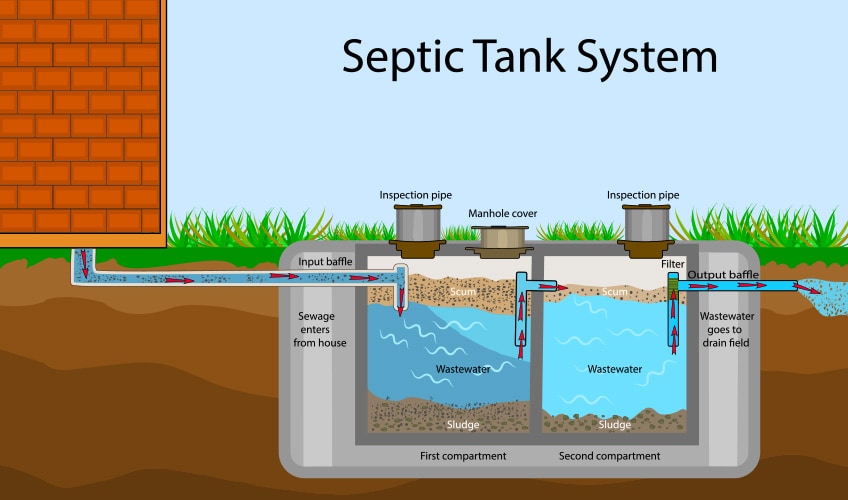
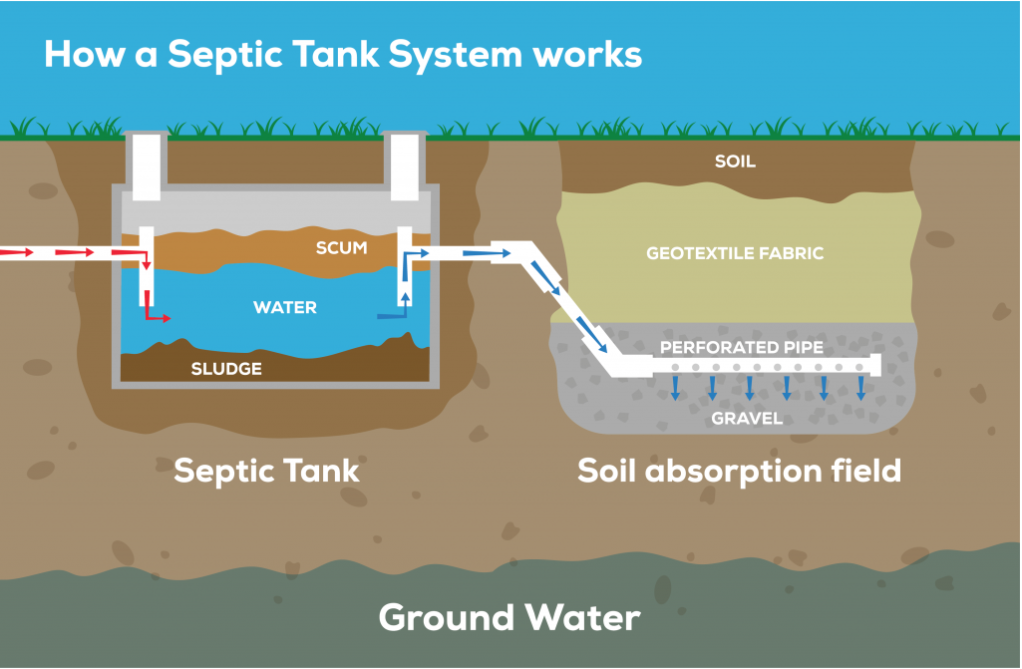
These magnificent, unseen champions are crucial for homes not connected to a municipal sewer system. Their primary purpose is to treat your household wastewater, separating solids from liquids and allowing beneficial bacteria to break down organic matter before the treated effluent disperses safely into your drain field. Pumping isn't just a chore; it's an investment in your home's hygiene, your property's value, and the health of the local environment. It's about preventing the unspeakable – a plumbing nightmare that nobody wants to live through, involving everything from sluggish drains to, well, less than ideal lawn decorations.
So, how do you know when your underground hero is nearing its breaking point? Sometimes it’s subtle, sometimes it’s… not. Slow drains in your sinks and showers, or toilets that gurgle ominously after flushing, are often the earliest warning signs. Think of them as your system clearing its throat, trying to tell you something's amiss. A foul odor wafting from your drains or, worse, from your yard near the septic tank, is a strong indicator that solids have accumulated past their welcome and are causing issues. And the most alarming symptom? Soggy, unusually green patches of grass over your drain field – that’s a red flag waving furiously, signaling that untreated wastewater might be surfacing. These are all common examples of a system under duress, crying out for attention.
Must Read
The key to "enjoying" your septic system effectively is proactive care and understanding. First, know your system. Find out your tank size and the number of people in your household. A general rule of thumb for most households is to pump every three to five years. However, heavy usage, a garbage disposal, or smaller tanks might require more frequent attention. Consider a professional septic tank inspection every few years; an expert can accurately assess the sludge and scum layers and give you an informed prognosis. Be mindful of what goes down the drain: avoid grease, harsh chemicals, and non-biodegradable items like "flushable" wipes (they're not!). And finally, keep good records! Knowing your last pump date is half the battle won. A little vigilance goes a long way in maintaining that peaceful, independent living.