
Types Of Solar Panels For Commercial Use

Hey there, business buddy! Ever stare at your company's electricity bill and wonder if it's printed on solid gold? Me too! But what if I told you there's a super cool way to kick that bill to the curb, soak up some sunshine, and look totally awesome doing it? We're talking commercial solar panels, baby!
It might sound a bit techy, but honestly, choosing solar panels for your business isn't as complicated as assembling IKEA furniture on a Friday night. It’s actually pretty fun once you know the basics. So, grab a virtual coffee, and let's chat about the main types of solar panels that are ready to turn your roof into a money-making, planet-saving powerhouse!
The Big Shot: Monocrystalline Solar Panels
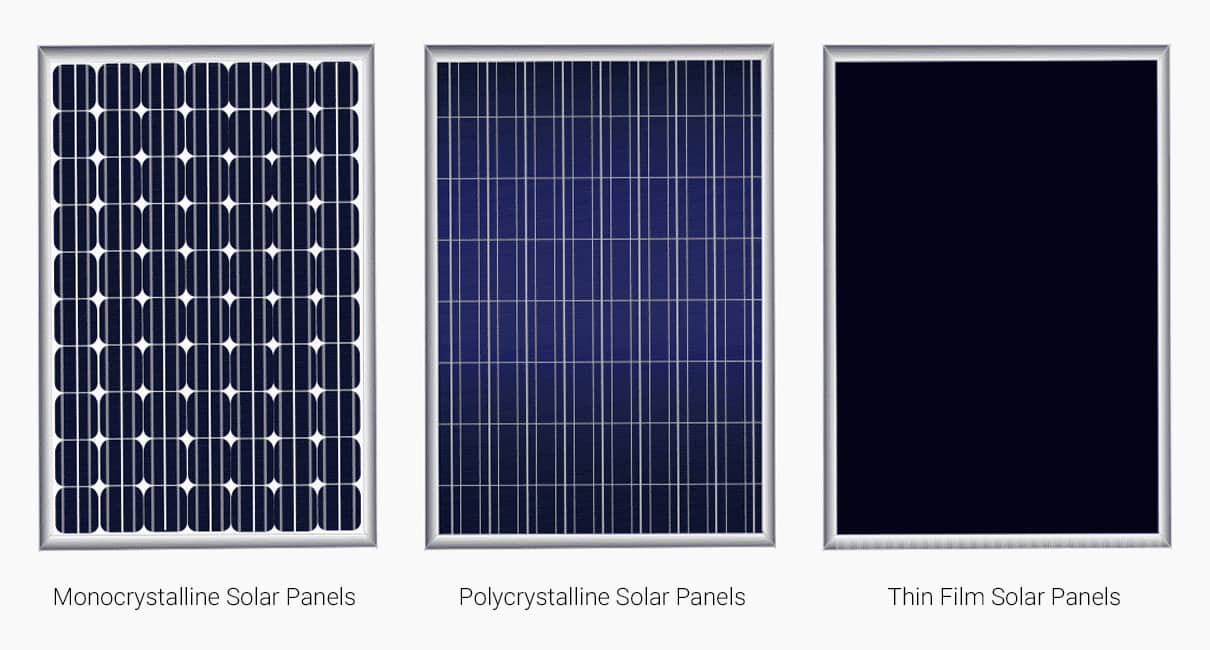
First up, we have the Monocrystalline panels. Think of these as the sleek, high-performance sports cars of the solar world. They're easy to spot because they usually look uniformly dark black, thanks to being made from a single crystal of silicon. Pretty fancy, right?
Must Read
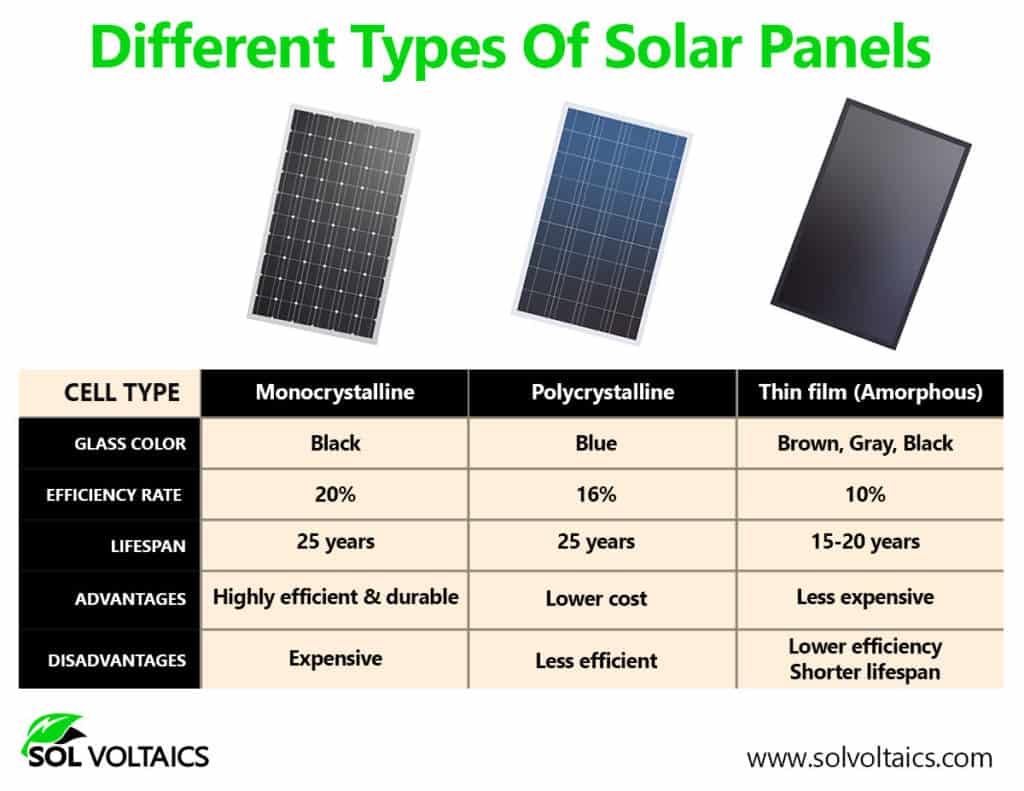
Why are they cool? Well, for starters, they're the most efficient option out there. This means they can squeeze more electricity out of less space. If your roof isn't the size of a football field but you still want maximum energy output, mono panels are your best friend. They also perform a bit better in low-light conditions and generally have a longer lifespan. Plus, they look super sharp and modern, which is a nice aesthetic bonus for any business!
Any downsides? A little. Because they're the premium option, they tend to be more expensive upfront. And while they're great in low light, if part of a mono panel is shaded, the whole panel's output can dip more significantly than other types. So, if your roof has lots of tricky shadows from vents or other equipment, you might need a different strategy or some clever optimizers.
The Dependable Workhorse: Polycrystalline Solar Panels
Next in line is the Polycrystalline panel. If monocrystalline is the sports car, then polycrystalline is the super reliable, spacious, and slightly more budget-friendly SUV. They’re recognizable by their bluish, mosaic-like appearance because they're made from multiple silicon fragments melted together.
Why are they great? The biggest perk here is cost-effectiveness. Polycrystalline panels are generally more affordable to manufacture, which translates to a lower price tag for your business. They offer a fantastic balance of efficiency and price, making them a very popular choice. They're also a bit less sensitive to partial shading compared to their monocrystalline cousins, which can be a plus if your roof isn't perfectly shadow-free.
:max_bytes(150000):strip_icc()/types-of-solar-panels-pros-and-cons-5181546_finalcopy-93f1db65349840bdba2822f75fa592f9.jpg)
What's the catch? They’re a touch less efficient than monocrystalline panels. This means you might need a bit more roof space to generate the same amount of power. They also don't have that super-sleek, uniform black look, but hey, performance over aesthetics sometimes, right? They're the solid, sensible choice that just gets the job done without any fuss.
The Flexible Rebel: Thin-Film Solar Panels
Alright, now for something completely different: Thin-Film panels! These are the cool, alternative kids on the block. Instead of rigid silicon crystals, they use layers of photovoltaic material deposited onto a substrate (like glass, plastic, or metal). This makes them incredibly thin and often flexible – sometimes you can even roll 'em up!
Why are they interesting? Their flexibility opens up a world of possibilities for commercial use. Think solar integrated into building materials, or on curved surfaces where traditional panels just wouldn't work. They also perform surprisingly well in high temperatures and low-light conditions. Plus, they're super lightweight, which can be a huge advantage if your roof has structural limitations. And generally, they have a lower manufacturing cost, so they can be quite economical.
Any trade-offs? Yep, the main one is efficiency. Thin-film panels are currently the least efficient per square foot among the three main types. This means you’ll need significantly more surface area to generate the same amount of power as mono or poly panels. So, if space is at a premium, these might not be your first pick. But for niche applications or huge, unobstructed roofs, they can be a game-changer.
So, Which One's Right for Your Business?
Honestly, there's no single "best" panel for every business. It all depends on your unique situation! Do you have a small roof and need maximum power? Monocrystalline might be your hero. Got a big roof, a tight budget, and want reliable power? Polycrystalline is probably your go-to. And if you've got funky architectural curves or a massive, sprawling low-impact roof, Thin-Film could be the innovative solution you're looking for.
The really awesome thing is that solar technology just keeps getting better and better. Whichever panel type you lean towards, choosing commercial solar is a fantastic investment. It’s not just about shrinking those pesky electricity bills (though that's a huge bonus!), it’s about showing your customers, your employees, and the world that your business is forward-thinking, sustainable, and ready to shine.
So, go forth and harness that glorious sunshine! Your wallet and the planet will thank you. Here's to a brighter, greener, and more prosperous future for your business!