Traditional Glass Break Detectors Will Not Detect Breakage Of

Hey there, security superstar (or just someone who wants to keep their snacks safe from neighborhood squirrels... and maybe burglars)! Today, we’re going to chat about something super important for your home’s defenses: glass break detectors. These little heroes listen out for trouble, but like all of us, they have a few blind spots. Let's spill the tea on what traditional glass break detectors might just shrug their digital shoulders at!
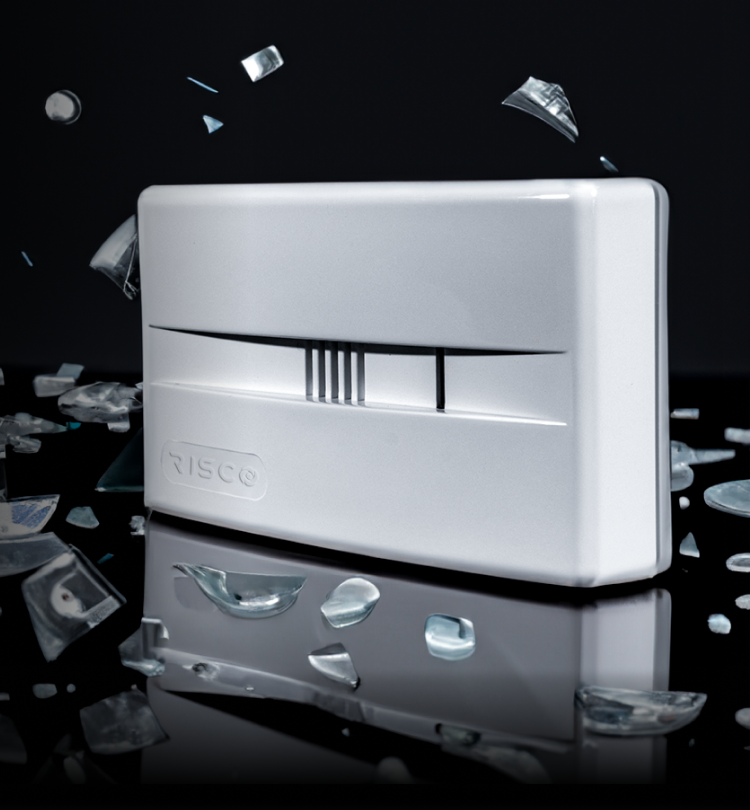
Imagine your classic glass break detector. It’s perched up high, maybe on a wall or ceiling, looking all official. Its job? To listen for the very specific sounds of glass breaking – that high-frequency shatter, followed by the lower-frequency impact. It’s like a very sensitive, very specific ear for window woes. Think of it as the ultimate glass gossip monitor. If a window gets smashed, it yells, "Intruder Alert!" And that's great... for certain kinds of glass breaking.
The Plot Twist: What They Won't Catch
But here’s where things get interesting, like a suspense novel with a surprising twist. Traditional glass break detectors are a bit like that one friend who only laughs at very specific memes. If the glass doesn't break in the "right" way, they might just stay silent. So, what exactly slips past their watchful ears?
Must Read
1. Laminated and Tempered Glass Breakage
First up, let’s talk about the tough guys of the glass world: laminated glass and tempered glass. Laminated glass is like a glass sandwich with a plastic filling (an interlayer). When it breaks, it usually just cracks and stays in place, holding together like a stubbornly intact jigsaw puzzle. It doesn't shatter and fall out in sharp shards. No dramatic crash, no alarm!
Then there’s tempered glass. This stuff is heat-treated to be super strong. When it breaks, it crumbles into thousands of tiny, relatively harmless pebbles. Again, not the dramatic "CRASH!" sound that traditional detectors are trained to listen for. It's more of a quiet crumble, which is fantastic for safety, but a bit of a blind spot for your standard detector. It’s like trying to detect a whisper in a library – just not enough oomph for the sensor.
2. Glass Being Cut or Removed
Ever seen a fancy diamond cutter slice through glass like butter? No shattering involved, just a precise score and a clean break. Traditional glass break detectors are listening for impacts and shatters, not the delicate sound of a professional glass surgeon at work. If a burglar is silently cutting a hole to reach in and unlock a window, your detector will be snoozing peacefully. It's too quiet, too refined for their taste!
Similarly, if someone manages to pop out an entire pane of glass (maybe with some suction cups and a pry tool, like a scene straight out of a heist movie), there's no dramatic breakage sound. The glass is removed intact, or mostly intact, not smashed. Your detector will be none the wiser, humming its happy tune while a villain makes a grand entrance.
3. Other Materials (Duh!)
This one might seem obvious, but it's worth mentioning! A glass break detector won't detect if someone breaks a wooden door panel, a plastic window insert, or any material that isn't, well, glass. Its name is pretty specific, right? It’s not a "general material breakage detector." So, if your security setup relies solely on these for every vulnerability, you might have a few gaps bigger than a broken window.
4. Slow or Non-Impact Breakage
Sometimes glass can break due to extreme thermal stress or other slow, non-impact reasons. While this isn't usually how a burglar operates, it highlights the detector's reliance on specific acoustic signatures. If there’s no sharp impact or immediate shatter, the detector might not register it. It's like asking a bouncer to spot someone sneaking in when they're actually just slowly melting through the wall – not their specialty!
So, What's a Homeowner to Do?
Don't panic! This isn't an invitation for burglars to start practicing their ninja glass-cutting skills. It simply means that relying on just one type of security sensor is like relying on just one type of snack – not a complete strategy. (Who only eats carrots?!) The trick to a truly secure home is a layered approach.
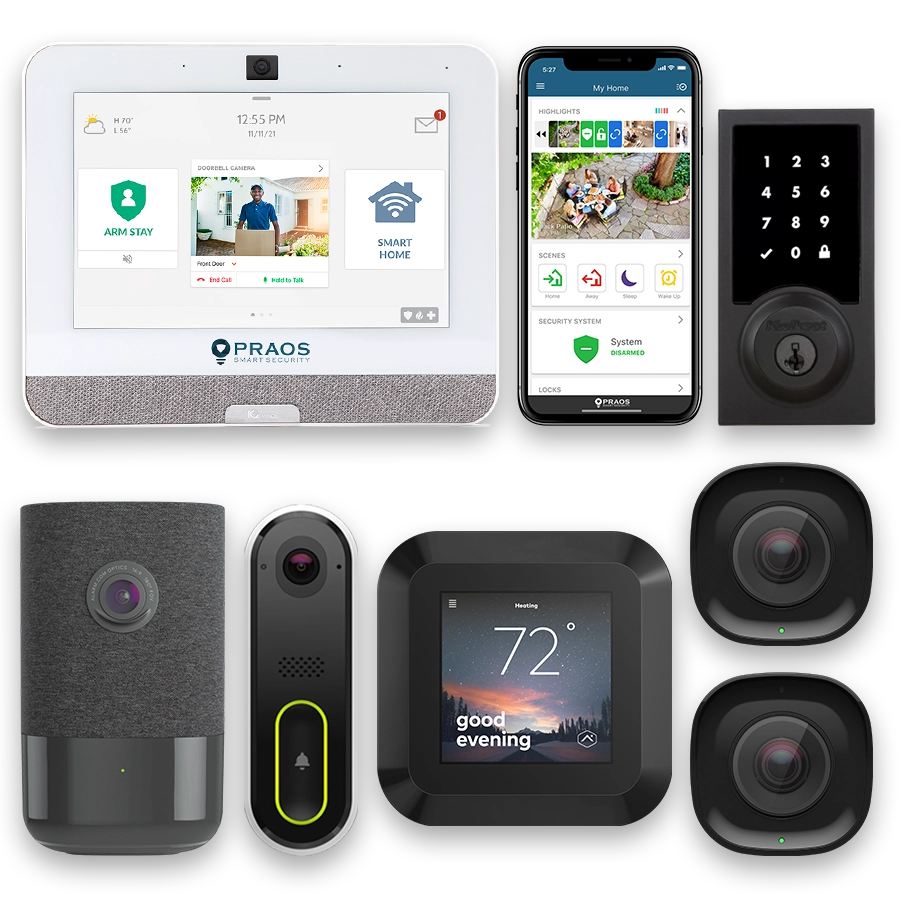
Think about combining glass break detectors with door and window contact sensors (which detect when something is opened), and motion detectors (which detect movement inside). This way, even if a super-stealthy burglar bypasses the glass break sensor by cutting or removing the glass, they'll trigger a contact sensor when they open the window, or a motion detector when they step inside. Bingo! Three cheers for comprehensive security!
The Bright Side!
Understanding these limitations isn't about feeling less secure; it's about being smarter about your security! It's empowering! Knowing what your gadgets can and can't do helps you build a robust system that protects what matters most. With a smart combination of technologies, you can relax, knowing your home is guarded by a team of vigilant digital sentinels. So go forth, embrace smart security, and enjoy that extra peace of mind. Your home (and your snacks) will thank you!