
Rib Cage Of The Saints Corpse
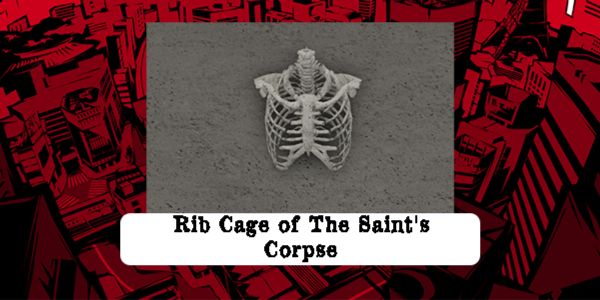
Alright, gather ‘round, folks, because I’ve got a story that's just… well, rib-tickling! Literally. We’re talking about the rib cage – yes, that bony protector of your vital organs – but not just any rib cage. We're diving into the fascinating, slightly bizarre, and definitely hilarious world of relics: specifically, rib cages of saints. Because apparently, having a saint's spare ribs is a thing.
Now, before you picture a medieval BBQ, let me clarify. We're not talking about a rack of saintly ribs smoked low and slow with holy hickory. (Although, wouldn't that be a story?). No, these relics are usually just bones, carefully preserved and displayed in churches around the world. And the supposed provenance? Well, that's where things get interesting. Let's just say, the chain of custody might have a few…missing links. Think of it like a game of telephone, but instead of a silly phrase, it's, "This rib belonged to St. Bartholomew, who was totally awesome and had really good taste in tunics."
The Relic Hustle: It's a Saintly Business
Back in the day – and I'm talking Middle Ages here – relics were BIG business. Like, bigger than Bitcoin is today. Churches would compete to acquire relics, because having a genuine piece of a saint (or allegedly genuine) attracted pilgrims, and pilgrims meant money. More money meant more stained glass windows, bigger bells, and maybe even a fancy new pointy hat for the bishop. Everybody wins!
Must Read
So, you can imagine the pressure to "find" relics. And wouldn't you know it, suddenly every little village had a bone fragment claiming to be from some obscure, long-forgotten saint. Need a boost for your local economy? Bam! St. Mildred's femur is here to save the day (and your town's finances). It was all very…convenient.
The market for relics became so inflated that the Reformation happened! No joke, one of the many things that got Martin Luther's toga in a twist was the insane veneration of relics. All those bones, all those stories, all that…doubtful authenticity. He was basically the Marie Kondo of the 16th century, telling everyone to get rid of anything that didn’t “spark joy” (and wasn’t backed up by scripture).

Rib Cage Ruckus: Sorting Fact From Fiction (Mostly Fiction)
So, how do you even begin to determine if a rib cage truly belonged to a saint? Well, the short answer is, you probably can't. Scientific methods like carbon dating can only tell you how old the bone is, not who it belonged to. And let's be honest, after a few centuries, pretty much all bones look the same. You'd need some serious CSI skills, and even then, it's a long shot.
Think about it. St. Nick, the inspiration for Santa? There are multiple bodies attributed to him and his remains have been distributed to churches all over the world. Did he have an extra-large skeleton? Or, and this is the more likely scenario, are some of those bones just… regular old bones that got swept up in the relic craze?

Let's talk about the real challenges. First, matching DNA from bones thousands of years old is incredibly difficult, if not impossible. Second, proving that DNA actually came from the claimed saint? Good luck! You'd need a sample of, say, St. Peter's uncle's toothbrush (assuming he had one, and that it survived), to even attempt a comparison. And third, even if you could prove the bone was from a certain time period and region, it wouldn't prove sainthood. You'd just have a really old bone with a fancy backstory.
So, what are we left with? Faith, tradition, and a healthy dose of skepticism. And maybe a chuckle or two.
More Than Just Bones: Why the Story Matters
Okay, so maybe a lot of these relics are… let’s say, "historically challenged." But that doesn't necessarily mean they're worthless. For many believers, these objects represent a tangible connection to their faith. It’s about the story, the tradition, the sense of history. Even if the rib cage in question belonged to some random medieval farmer, it still symbolizes something larger: the enduring power of belief and the human need for connection to something sacred.
Ultimately, the rib cage of a saint’s corpse isn't just a pile of calcium and phosphate. It’s a symbol, a story, and a reminder that sometimes, the most interesting things are the ones we can't quite explain. So, next time you see a relic on display, remember the history, the hype, and the hilarious possibility that it might just be a very old, very lucky rib bone.
And hey, maybe you have a bone that could be a relic! Check your attic… you never know! (Disclaimer: I am not responsible for any sudden saintly discoveries or resulting theological debates.)
