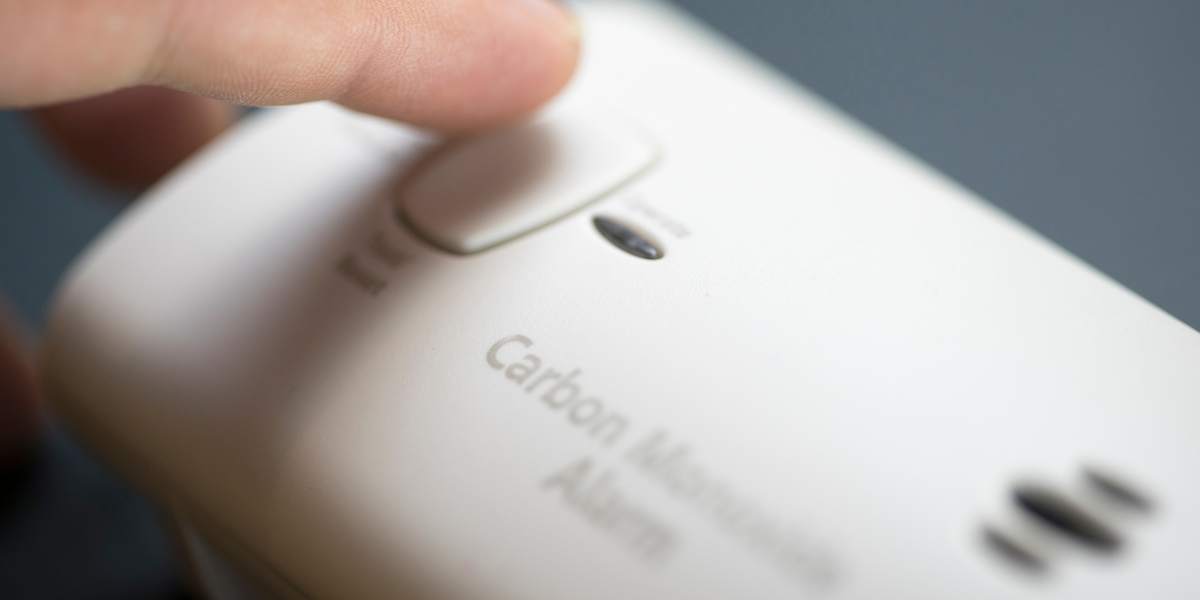
Proper Placement Of Carbon Monoxide Detector
Hey there, safety superstar! Let's chat about something super important but often overlooked: where to put your carbon monoxide (CO) detector. No need to get all serious and scientific, we're just talking about keeping your digs safe and sound. Think of me as your friendly neighborhood safety guru, minus the cape (unless you count my blanket, it's pretty super).
Carbon monoxide, often called the silent killer, is a real sneaky villain. It’s odorless, colorless, and tasteless – basically, it’s the ultimate invisible party crasher that you definitely don't want in your home. Your nose can't help you here! That’s why a CO detector is your absolute best friend, your personal bodyguard against this invisible menace. But like any good bodyguard, it needs to be in the right place to do its job effectively.
The Big Picture: More is More!
First things first: you probably need more than one. I know, I know, another gadget! But trust me, this isn't like buying extra spatulas. The general rule of thumb is to have at least one CO detector on every level of your home. Yes, that includes the basement, the main floor, and any upper floors where people sleep. Think of it like setting up checkpoints against an invading, invisible army. You wouldn't just guard one door, would you?
Must Read
Near Sleeping Areas: Your Wake-Up Call
This is probably the most crucial spot. You want a CO detector near, or ideally, inside every separate sleeping area. Why? Because if CO levels start to rise while you're catching Zs, you won't smell it, you won't see it, and you certainly won't taste it. The alarm needs to be loud enough to wake you (and ideally, your entire household) from a deep sleep. So, place one within hearing range of all bedrooms. Consider one in the hallway just outside the bedrooms, or even in larger bedrooms themselves if they're far apart. It's like an early warning system for your snoozing self!
Close to Fuel-Burning Appliances (But Not Too Close!)
Okay, this one might sound like a paradox, but stick with me. Carbon monoxide is produced by fuel-burning appliances like furnaces, water heaters, gas stoves, fireplaces, and even your trusty clothes dryer. So, logically, you might think, "Aha! Right next to the furnace it goes!"

Hold your horses, cowboy! While you want a detector in the vicinity, placing it right next to one of these appliances can sometimes lead to nuisance alarms from small, harmless bursts of CO during startup. Give it some breathing room! A good rule of thumb is to keep it at least 15-20 feet away from these appliances. You want it far enough to avoid false alarms but close enough to detect a real problem early.
Oh, and if you have an attached garage, definitely put one in the room leading into your house from the garage. Car exhaust is a notorious CO culprit, and you don't want those fumes sneaking indoors!

Where to Stick It (Height Matters!)
Now, let's talk about height. Unlike smoke detectors, which go on the ceiling (because smoke rises), CO actually mixes pretty evenly with the air. It's not necessarily lighter or heavier than air, so it just kind of… hangs out. This means you have a bit more flexibility, but there are still best practices.
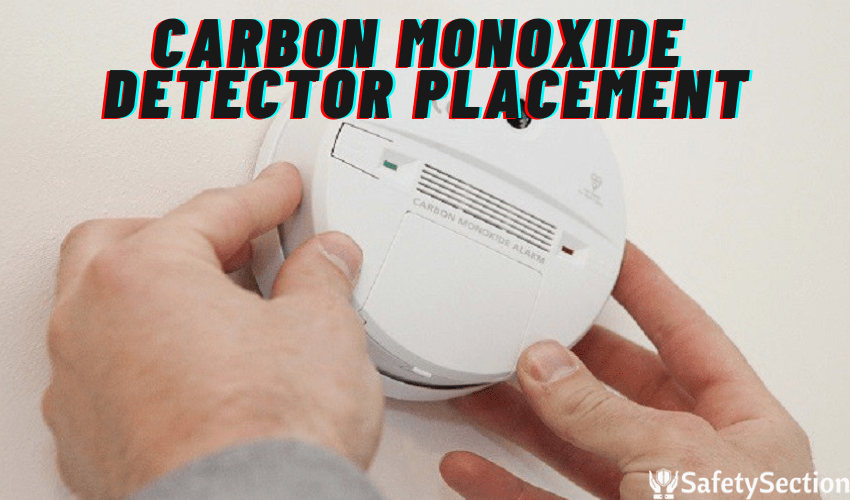
Many manufacturers recommend placing CO detectors at chest height or higher, usually on a wall. Some even suggest ceiling placement. The key is to read your specific detector’s instructions, as recommendations can vary. Avoid putting it right down on the floor, though, especially if you have curious pets or little ones who might mess with it. And definitely don’t put it behind curtains or furniture; it needs to be able to "breathe" the air freely.
![Carbon Monoxide Detector Placement [We Got The Right Place]](https://safetysection.com/wp-content/uploads/2020/08/Carbon-Monoxide-Detector-Placement.jpg)
Places to Avoid (The No-Go Zones)
Just as important as where to put them is where not to put them. These are the places that will make your detector grumpy and less effective:
- Direct sunlight or near heat sources: This can mess with the sensor.
- In damp or very humid areas: Like bathrooms or laundry rooms, as moisture can affect performance.
- In direct airflow from vents, windows, or fans: Fresh air can dilute CO concentrations near the detector, giving you a false sense of security.
- In dusty, dirty, or greasy areas: Like right above a stove or in a super dusty workshop.
- Behind anything: Don't play hide-and-seek with your CO detector. It needs clear access to the air.
A Quick Reminder About Maintenance
Once your CO detectors are perfectly placed, don't forget them! Test them regularly (usually with a handy "test" button) and replace their batteries according to the manufacturer's instructions. Most detectors have a lifespan of about 5-7 years, so check the "replace by" date on yours, too!
Wrapping It Up With a Smile
Alright, you amazing home protector, you're now armed with the knowledge to strategically place your CO detectors and keep your family safe. It might seem like a small detail, but it’s a huge step towards peace of mind. So, go forth, place those detectors like a pro, and enjoy your happy, healthy, and carbon monoxide-free home. You’ve earned that smug, safe smile!